
top ad
Home Blog Page 140

Sri Lanka to ban palm oil imports, raze plantations over environmental concerns.

Sri Lanka has imposed a ban on palm oil imports and ordered oil palm plantations in the country to be replaced with rubber trees and other crops over the next decade, citing adverse environmental and social impacts.

The decision is based on recommendations from a 2018 report by a panel of environmental experts, who linked oil palm plantations to soil erosion and the drying up of water sources.

Unlike in other countries where the crop is grown, oil palms aren’t a driver of deforestation in Sri Lanka; instead, they’ve replaced rubber plantations, which host a higher level of biodiversity and provide more jobs for locals.

Another concern is that oil palm is becoming an invasive species, occurring in the wild in a forest reserve, with as-yet-unknown impacts on native flora and fauna.

COLOMBO — Environmentalists have welcomed the Sri Lankan government’s surprise decision to ban palm oil imports into the country and raze existing plantations, but others say the science justifying the move is unfounded.

The government made the announcement in an April 5 gazette, citing recommendations from an expert panel formed by the Central Environmental Authority (CEA). The panel had identified soil erosion and drying of springs as among the potentially irreversible impacts of oil palm plantations on the island’s biodiversity and livelihood of local communities. Its report, published in 2018, outlined several recommendations to create the foundation for banning oil palm cultivation on the island.

Gamini Hitinayake, a member of the expert panel and professor in the Faculty of Agriculture at the University of Peradeniya, said the proliferation of oil palms threatened native plant and animal species.

“Oil palm is a threat to the existence of all traditional plantation crops such as rubber, tea, and coconut which are far more environment friendly,” he told Mongabay.

Invasive species
Siril Wijesundara, former director-general of the Department of Botanical Gardens and a member of a team documenting invasive alien plant species in Sri Lanka, said oil palms have been found growing naturally in the Indikada Mukalana forest reserve in the country’s west.

“Oil palm already shows signs of becoming an invasive species in Sri Lanka,” he told Mongabay. “As a precautionary measure to prevent oil palm becoming an invasive [species], it is important to prevent natural regeneration of oil palm seeds within and adjacent [to] oil palm plantations.”

Introduced to Sri Lanka in 1968, the African oil palm (Elaeis guineensis) doesn’t have a natural pollinator here. So the African oil palm weevil (Elaeidobius kamerunicus) was also brought into the country. While there are no documented reports of negative impacts associated with the beetle, more research needs to be done on it, said Jayantha Wijesinghe of the local environmental NGO Rainforest Protectors of Sri Lanka.

Water worries
Hitinayake said another of the main concerns regarding oil palm cultivation is that the tree absorbs a lot of water, leading to fears that it could dry up local streams. Oil palm is a fast-growing plant, and as such has a high rate of water consumption, especially during the growth stage, Hitinayake said.

Another issue the expert panel report highlighted was that oil palm plantations don’t have intercropping or undergrowth; they’re strictly monoculture, and so don’t support biodiversity. In contrast, the more common rubber plantations do support a relatively high level of biodiversity. Recent research shows endangered Indian pangolins (Manis crassicaudata) prefer rubber plantations as their prime habitat, after forests.

But rubber plantations have disappeared to make way for oil palms since the latter were first introduced here. Unlike in most of the other countries where oil palm is grown, notably top producers Indonesia and Malaysia, the crop’s commercial cultivation hasn’t driven large-scale deforestation in Sri Lanka. Instead, it has taken over rubber plantations, aided by tax concessions for seed imports and other incentives from the government.

That’s given rise to another complaint, this one about the social impact of oil palm plantations. Cultivating and harvesting the crop isn’t as labor-intensive as rubber or other crops, prompting fears and protests from villagers working in rubber plantations about a loss of livelihood.

Planting violations
There are about 11,000 hectares (27,000 acres) of oil palms planted across Sri Lanka. “But in many instances, the planters violate basic guidelines issued for cultivation,” Wijesinghe said.

He noted that it’s prohibited to plant oil palms on slopes steeper than 30 degrees, but in some places, they’re cultivated on slopes steeper than 60 degrees. There’s also a prohibition on planting in wetlands or on riverbanks, but this too is often breached, Wijesinghe said.

Under the government’s new stance on palm oil, all imports will be banned. The country buys about 200,000 metric tons of the vegetable oil annually, mostly from Malaysia. The new policy also calls for razing 10% of oil palm planted area every year and replanting with rubber and other crops that are less water-intensive.
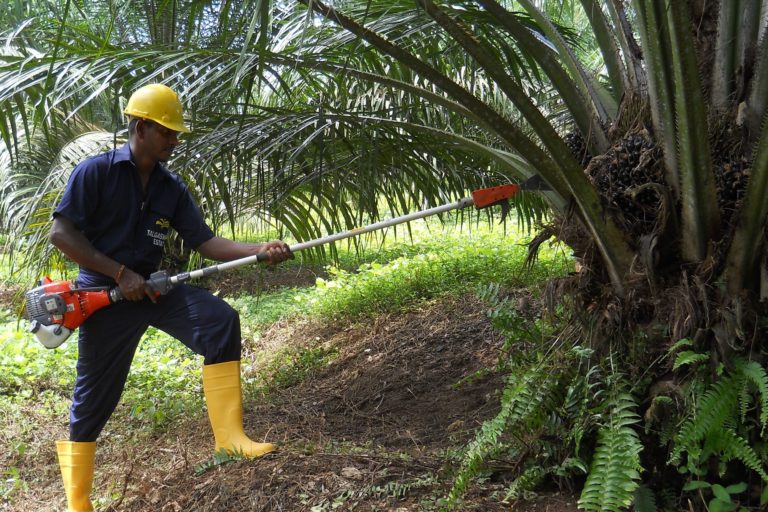
Oil palm is not as labor-intensive as other crops, particularly rubber. Villagers say they fear a loss of livelihood if the crop expands. Image courtesy of Asoka Nugawela.

‘Unfounded’ argument
The pushback to the announcement was immediate. Asoka Nugawela, an emeritus professor in the Faculty of Agriculture at Wayamba University, took issue with the CEA expert panel’s suggestion that oil palm plantations could dry up local water sources.

He said oil palm in Sri Lanka is generally cultivated in areas where annual rainfall exceeds 3,500 millimeters (138 inches), while their water requirement is about 1,300 mm (51 in). So the argument that they could cause springs to run dry isn’t true, Nugawela said.

“If you visit oil palm plantations, you can witness healthily flowing streams full of life,” he told Mongabay.

He noted that the Nakiyadeniya estate, Sri Lanka’s first oil palm plantation, has been running now for more than 50 years, with no sign of water problems in the area. A 2018 study described a new species of freshwater fish in a stream in Nakiyadeniya; Nugawela said this proves that the streams drying up argument is unfounded.

He said climate change is a more likely factor impacting water availability, with rainfall patterns becoming more erratic. He also said the issue of soil erosion is a management problem for which there are remedial measures that can be taken.

The Palm Oil Industry Association of Sri Lanka has also rejected the expert panel’s recommendations that justify the ban, and has called the science into question. It says companies have invested heavily in oil palm cultivation with the encouragement of successive governments and will be appealing against the ban.

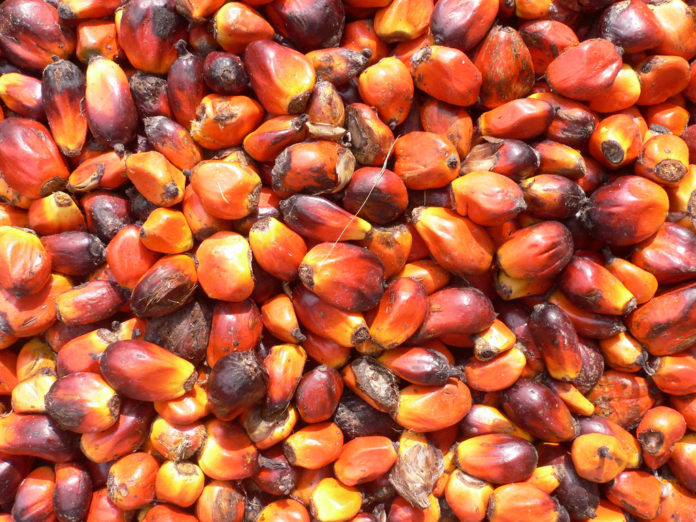
Banner image of oil palm fruits, from which palm oil is derived. Oil palm has a higher yield per acre than any other vegetable oil crop. Image via Pixabay.
Ad article

Olam Food Ingredients provide livelihood support for female cocoa farmers.

Olam Food Ingredients (OFI), a leading supplier of cocoa beans and cocoa ingredients – and one of the largest private Licenced Buying Companies (LBCs) in Ghana’s cocoa sector, has supported hundreds of female cocoa farmers to earn additional sources of income.

As part of the company’s sustainability ambitions – Cocoa Compass, the projects are intended to empower women by giving them the tools and training they need to take charge of their finances and increase their incomes above and beyond cocoa.

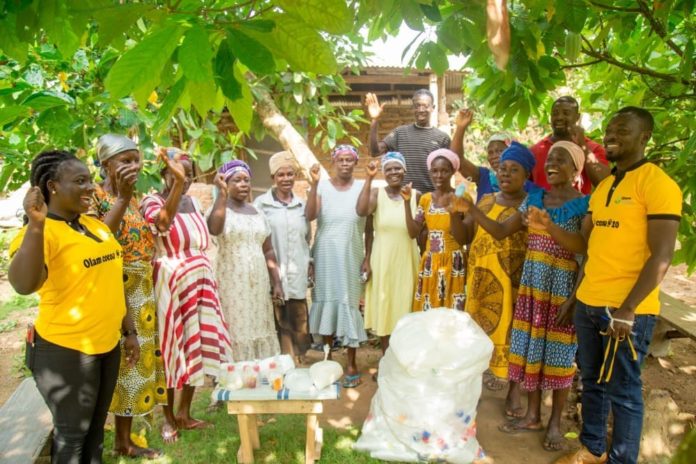
So far in 2021, women from over 20 communities in the Twifo Praso and Assin Fosu districts have been trained in the production of liquid soap, shower gel, bleach, and hand sanitizers. They are also shown how to bottle and market the finished products. With facilitators from the Inner-City Development Centre in Accra, the women are encouraged to pass on their news skills to their peers.

At Assin Fosu, farmers from the Village Savings & Loans Association (VSLA) in Duofo, Akwetey Brahabebome, Nkwantanan, Essilfie, Diadokono, Asaman, Nyamebebu, and other communities who benefitted from the additional livelihood training have received funding to start commercial production.

In Twifo Praso, while some farmer groups have received funding but are yet to start production, others have finished commercial production and are preparing their products for the market. The 10 farmer group beneficiaries are from Bimpongso, Mmaabaso, Mampong, Mangoaso, Anthony, Bediako, Tawiah Nkwanta, Pepekrom A, Pepekrom B and Aboso.

Initial funding for the projects will be repaid at no interest and on flexible terms. Periodic visits by facilitators to the farmer groups will be sponsored by OFI to monitor progress and provide further assistance if necessary.

General Manager and Head of Sustainability, Mr. Kennedy Ntoso said: “OFI’s investment in these cocoa farmers is to enable them to become self-reliant and run a profitable business outside the main crop season. This not only supports the women themselves but also benefits the wider community.”

Proceeds generated from the sale of the products will be channeled back into the business and saved by the women.

Olam Food Ingredients (OFI) is a new operating group born out of Olam International. OFI offers sustainable, natural, value-added food products and ingredients so that consumers can enjoy the healthy and indulgent products they love. It consists of Olam’s industry-leading businesses of Cocoa, Coffee, Edible Nuts, Spices, and Dairy.

OFI has built a unique global value chain presence – including its own farms, farm-gate origination, and manufacturing facilities. OFI partners with customers, leveraging its complementary and differentiated portfolio of on-trend food products to co-create solutions that anticipate and meet changing consumer preferences as demand increases for healthier food that is traceable and sustainable.

Ad article

LIFESTYLE: Medicinal benefits of cashew nut that you should know.

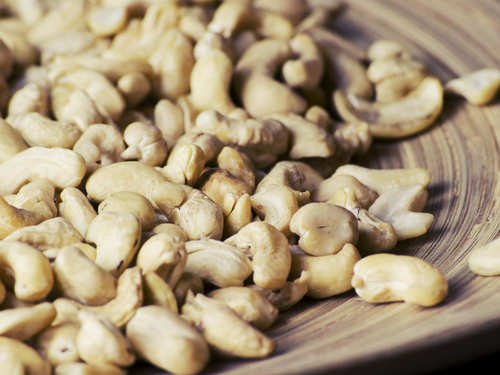
Cashew nut is native to subtropical climate but is widely available across the globe. This tiny kidney bean-shaped nut is the powerhouse of an array of nutrients.

There is a myth that the cashew nut makes one put on weight and is not a very healthy nut to consume on a daily basis. So, to bust this myth, these are some of the amazing benefits of consuming cashew nuts.

It prevents cardiovascular diseases
As cashew nut contains healthy fat, it is linked with a healthy heart. It is free from cholesterol and also provides essential nutrients to boost heart functioning.

It prevents cancer
One of the major benefits of eating cashew nuts is that it reduces the risk of cancer. Proanthocyanidins are the type of flavonol that stops the tumor cells from growing. Cashew nut is also filled with copper and proanthocyanidins which are responsible for preventing cancer.

It is linked with weight loss
Cashew nut has good fats, which are recommended for a healthy body. The fat present in cashew nuts is responsible for the growth of good cholesterol and reduction of the bad cholesterol. The nut gives a lot of energy and also keeps one satiated for a long time. Therefore, one can consume 3-4 cashew nuts every day for proper weight management.

It glows skin
As cashew nut is filled with the goodness of copper and antioxidants, it helps in making your skin look radiant and glowing. Antioxidants are known to reduce the signs of aging, and copper along with other enzymes produces collagen that is responsible for increasing the elasticity of the skin.

It is good for gut
Eating cashew nut every day can save you from stomach ailments and also aids in indigestion. Have two-three cashew nuts every day to ensure a happy tummy!

It is good for the eyes
Cashew nut contains high levels of lutein and other vital antioxidants which protect our eyes from getting damaged. It also ensures healthy eyesight.

It helps to maintain nerve health
The deficiency of magnesium can lead to many health issues. It not only affects our nerves and bone functioning but also increases our blood pressure. Eating cashew nut regularly will ensure that you have a proper balance of magnesium and hence, it will prevent migraines and body pains in general.

Boosts the energy level
As it contains an array of minerals and vitamins, consumption of this healthy nut will ensure that you have a strong metabolism. Also due to plenty of antioxidants and different types of enzymes, it is responsible for boosting your immunity as well.

Ad article

USDA–GPP, ADB & More Stakeholders Partner Agrihouse for 3rd LiPF Tradeshow

Agrihouse Foundation, in partnership with the United State Department of Agriculture (USDA) – Ghana Poultry Project (GPP), is set to host the third edition of the Livestock, Poultry, and Fisheries Tradeshow (LiPF), in Accra, at the Afua Sutherland Children’s park, from Friday, 21 May to Saturday, 22 May.

The two-day training and exhibition tradeshow, which is on the theme, “WE MOVE! W) YAA,” is also in partnership with the Agricultural Development Bank, Ministry of Food and Agriculture (MOFA), the United State Department of Agriculture, National Board for Small Scale Industries, and National Farmers and Fishermen Award Winner’s Association of Ghana (NFFAWAG).

This year’s LiPF tradeshow, according to the Executive Director of Agrihouse, Ms. Alberta Nana Akyaa Akosa, will afford participants, including, livestock, poultry, and fisheries farmers and exhibitors; tertiary and financial institutions; agriculture and media organizations; and development partners, a learning environment to explore deeper ways to take advantage of opportunities in the animal agricultural sector.

LiPF, she emphasized, has come at an opportune time to inform and educate the public about alternative means to create jobs and make additional income, especially, in the animal agricultural sector, since many people in the country now have lost their jobs as a result of the COVID-19 pandemic.

“Now more than ever LifP is relevant as we seek to build resilience and confidence in individuals who have lost their source of income and are looking for alternate means in these times,” she noted.

The tradeshow will also be a motivational platform to encourage people who are passionate and interested in the animal agricultural sector, to take steps towards it. Through LiPF, such individuals will become aware of the multiple career opportunities within the animal agricultural sector, to help them make relevant choices.

There will be capacity-building training sessions in areas including, cattle production (Beef and Dairy), Poultry farming, Rabbit and Grasscutter farming; Pig farming, Fish farming; Snail farming; Mushroom production; Beekeeping; Goat and Sheep rearing; and Milk processing (Yoghurt making).

Chief of Party at the United States Department of Agriculture (USDA), Ghana Poultry Project (GPP), Ms. Carianne De Boer, has noted that her departments desire to contribute to Ghana’s animal farming sector is a priority, thus, the need to work with Agrihouse to ensure sustainable growth and innovation in the sector.

She said, donor investor policies must truly reflect the resilient and prosperous future development partners and agric stakeholders’ envision for the agricultural sector.

She said the youth must also take a fresh look at the agricultural sector, especially, platforms like LiFP that offer modernized approaches to agriculture, where they are taught to utilize new technologies to manage their agricultural setups.

Ministry of Food and Agriculture (MOFA), has commended LiPF as a project in the right direction, as it continues to promote the poultry, livestock, and fisheries value chain and its agribusiness potentials.

Agricultural Development Bank (ADB), in a statement, described LiPF as an integrated platform that offers agric stakeholders an opportunity to engage, dialogue, and build capacity in ways that boost growth within the sector. “We, therefore, find it very important to support such an event,” it said. ADB will lead two knowledge-sharing sessions at the tradeshow: “assessing funds and funding opportunities available for the animal businesses, and Marketing effectively, via digital channels.”

The National Board for Small Scale Industries (NBSSI) has noted, it is pleased to partner with Agrihouse Foundation this year as part of LiPF, and therefore encourages its members operating in the animal agricultural sector to participate in the tradeshow, to explore new opportunities in the animal production sector. NBSSI will be leading knowledge-sharing discussions on ‘understanding existing standards, compliance and certification programs, and what aspiring agripreneurs need to know when starting an agribusiness’ at the tradeshow.

The National Farmers and Fishermen Award Winner’s Association of Ghana (NFFAWAG) said the animal agricultural sector is a major part of the agric sector, and LiPF continues to serve as an impactful networking and training platform for those in the sector.

Flour mills Limited, a sponsor of the event, noted that achieving food security is a collective effort, and therefore praised Agrihouse Foundation for its commitment towards the agric sector, and investing in projects that harness efforts within the value chain.

About LiPF and Impacts
Annually, LiPF brings together hundreds of individuals, groups, and businesses within the animal agricultural value chain to showcase and promote their products and services, while training and building the capacity of persons and individuals, who want to venture into the livestock business.

The maiden edition was held in 2019, with about one thousand participants from Ghana and other countries like Nigeria, Kenya, Ethiopia, among others, with over 40 Exhibitors.

The second edition was held at the Efua Sutherland Children’s park with about 785 participants in attendance over the two days. The second edition focused on training sessions in animal agriculture, equipping participants to step up their ideas and interest in going into animal agriculture. The training, therefore, equipped participants with basic and intermediary knowledge required for poultry, piggery, snail production, mushroom production, cattle rearing, small ruminants (sheep, goats, rabbit) rearing.

Impacts
Since the first edition, Agrihouse Foundation, through LiPF has built organic data over the years and has engaged over 50,000 sub-holder farmers with a significant percentage of them expressing interest in animal agriculture. The high numbers recorded and interest expressed by participants necessitated an urgent need to add and build on the training component of the event

Furthermore, analysis of the feedback received from the first edition of LiPF revealed 87% of participants wanted training in starting a poultry, piggery, rabbit, cattle, and piggery farm; 90% were of the view that a platform like LiPF was a perfect one to offer introductory training. This led to the introduction of more training sessions during the second edition of the event.

Ad article

MoFA rolls out implementation modalities for fertilizer subsidy.

The Ministry of Food and Agriculture (MoFA) has rolled out implementation guidelines to ensure efficient distribution of subsidized fertilizer and improved seeds to farmers under the Planting for Food and Jobs (PFJs) programme.

Mr Francis Ennor, the Upper East Regional Director of the Department of Agriculture, said this at a sensitization forum organized by the Peasant Farmers Association of Ghana (PFAG) with funding support from the International Budget Partnership.

Mr Ennor said the subsidized improved seeds and fertilizer programme was an initiative under the government’s PFJs policy to support smallholder farmers to buy adequate farm inputs.

He said the guidelines would help curtail smuggling, intensify quality control and ensure that well-deserved farmers were benefitting from the programme.

As part of the implementation guidelines, seeds and fertilizers to be sold under the 2021 PFJs would be packaged in sacks with PFJs logo and inscriptions.

“Participating companies will furnish MoFA with purchasing agreements from other companies must at all times invite MoFA to take stock of the inputs before distribution.”

Mr Ennor said copies of consignments’ waybills would be endorsed by Regional Ministers but where the destination of a consignment was not the regional capital, the waybill would be endorsed by the Metropolitan, Municipal and District Chief Executives (MMDCEs).

He said distributors and retailers would liaise with officials of National Builders Corps (NABCO) under the supervision of MMDCEs to distribute the seeds and fertilizers to retail points.”

“NABCO officials through the use of daily records sheets would also supervise and record quantities of seeds and fertilizer being sold to farmers.”

Dr Charles Kwowe Nyaaba, the Head of Programmes and Advocacy, PFAG, commended the government for improving the implementation of the fertilizer subsidy programme.

Dr Nyaaba said although the programme supported many farmers last year, there is a need for government to increase the subsidy rate to allow farmers to increase production.

He said smuggling remains an impediment to the successful implementation of the programme and called on the government to put in measures to combat it.

Ad article

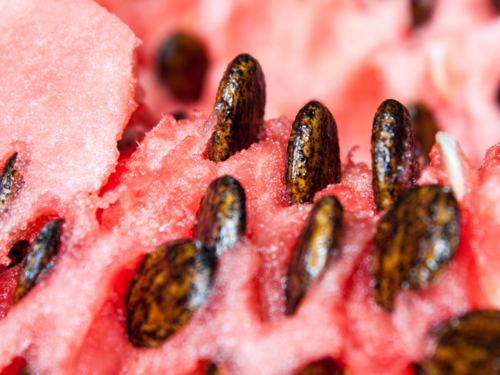
LIFESTYLE: Do you know watermelon seeds have a lot of medicinal benefits than its fruit?

Watermelon is an incredibly hydrating fruit as it contains around 92 percent of water, and is enriched with a lot of essential minerals and vitamins. This succulent melon also contains a lot of seeds, which we generally throw after consumption. But did you know that these little black seeds are really rich in nutrition? The tiny seeds inside the huge watermelon fruit have some magical properties

The health benefits of watermelon seeds are:
They are low in calories and offer an array of micronutrients like copper, zinc, potassium, magnesium, iron, folate, etc; which have various health benefits. Some of the health benefits are:

It is good for the heart and immunity
Watermelon seeds are also linked with stronger immunity and better health. Due to the presence of magnesium these seeds can also cure hypertension, which is directly related to heart health. Consumption of the watermelon seeds daily in moderate quantity helps in boosting your heart health and maintaining your blood pressure.

It promotes strong bones
Watermelon seeds have a high content of minerals like copper, manganese, and potassium. And these minerals together with other micronutrients help in making our bones healthier. The seeds are linked with strengthening our bones and also improving bone density.

It helps to boosts the metabolism
Watermelon seeds are a powerhouse of nutrients like folate, iron, zinc, copper, magnesium, potassium. These seeds are considered to be highly nutritious, as they are also rich in amino acids, proteins, and vitamin B complex. All these nutrients together help in boosting your body’s metabolism.

There is no unhealthy Fat
They contain certain healthy fats which are extremely important for the body. Watermelon seeds are a good source of healthy fatty acids like oleic acid, linoleum acid which is required for the proper functioning of the body.

It is good for diabetics
These black seeds are really helpful in controlling diabetes. It is known to reduce the elevated blood sugar level and therefore can be a good snack option for patients with diabetes.

It gives glowing skin
Watermelon seed oil is widely used as the main ingredient for cosmetic products that work wonders in treating acne and early signs of aging. These seeds have antioxidants that help in reversing early skin aging. Consumption of these seeds can provide your skin with an inner glow. Add a few seeds to your daily diet to get visibly healthy skin. Also, due to the presence of fatty acids, it prevents dryness and provides hydration to the damaged skin.

It improves the quality of hair
The seeds are filled with proteins and iron that are known to improve the texture and quality of hair. It helps in strengthening your hair strands and also it promotes hair regrowth. As these are high in magnesium content it makes the hair healthy that in turn prevents hair fall and damage.

How to use watermelon seeds in daily life
Dry the watermelon seeds and roast them in a pan. Store them for many days in airtight containers. This can be a healthy yet delicious snacking option for those who always feel hungry! These will provide you a boost of nutrition and you can add these tiny seeds to your salads or other nuts for that added benefit. If you don’t want to eat it as a seed then you can also make it into a powder and enjoy the same flavor and benefits.

Ad article

CAA partners with sector players to protect human rights in the cocoa supply chain.

The Cocoa Abrabopa Association (CAA) has partnered with Mars Wrigley, Sucden and ASCOT Amsterdam and the International Cocoa Initiative (ICI) to set up an Integrated and Supportive Child Labour Monitoring and Remediation System (CLMRS) in the CAA’s cocoa supply chain.

CAA acknowledges there are risks of child labour and forced labour in the cocoa supply chain as evidenced by the recent NORC report.

Cocoa Abrabopa Association believes it is important to make sure that robust systems are in place to prevent, monitor and remediate the risks within its supply chain. CAA does not have the capacity currently to do this alone, therefore, partnering with customers, supply chain actors and International Cocoa Initiative is a great idea.

With the technical support and guidance of the International Cocoa Initiative (ICI), Cocoa Abrabopa Association (CAA) will train its staff, design, and set up a robust Child Labor Monitoring and Remediation System (CLMRS) for the Association.

As part of the set-up, a diagnostic assessment will be conducted by International Cocoa Initiative to analyze the strengths and weaknesses of CAA with regard to its processes to monitor and remediate human rights risks in its cocoa supply chain.

The CLMRS would start with a detailed household survey for cocoa producers’ members of CAA and a community profiling for communities in the selected areas. This data would be analyzed to identify child labour cases, determine households at risk of child labour and communities vulnerable to child labour and which support is needed.

The newly employed Child Development Officers will conduct a number of activities on a daily basis in the communities to identify children who are engaged or at a risk to be engaged in child labour activities. These would include household visits, community profile surveys, awareness-raising sessions at household level and community level, unannounced farm visits, deployment of needed remediation activities to support children and their families, and the communities they live in.

The Child Labor Monitoring and Remediation System will guide Cocoa Abrabopa Association to provide support to member families and communities where needed and it will also focus on increasing school attendance as a key strategy to protect children and ensure their healthy development.

Ad article

Ghana to host her maiden honey festival and international bee day celebration.

Honey consumption has increased across the globe over the years due to consumer demand for quality natural sweeteners in place of the usual sugar. In view of this, honey has become one of the most adulterated food products on the global market as traders want to meet the huge demand for their selfish gains.

This has raised a lot of concerns by the consumers on the adulteration of honey in the markets, creating fear and panic. The maiden honey festival and international bee day 2021, a festival that would be held at CSIR Forestry Research Institute, Kumasi to discuss the role of bees and pollinators to humans, honey quality and safety, sensory analysis of honey, and the honey adulteration replacement tasting.

Speaking to Agric Today Media, Dr. Courage Besah-Adanu, Research Scientist at CSIR and the Coordinator of Ghana National Apiculture Platform (GHANAP), said the main objective of the Honey-Fest, with the theme: A Spotlight on Pollinators, Beekeeping, and Honey Safety for Sustainable Livelihoods and Biodiversity Conservation, is to create a common platform for honey producers, researchers, consumers and other stakeholders in the industry to share knowledge and innovation for the growth of the industry.

“The festival seeks to provide the largest networking platform for stakeholders in the industry, and to use the United Nation’s Bee Day to help the players in the industry to deliberately discuss the role bees and other pollinators play in contributing to human sustenance”, Dr. Besah-Adanu added.

Determining the adulteration of honey by the consumers, Dr Besah-Adanu explained that pure honey can be crystalized which does not mean it is unwholesome and all honey do not have the same colour, taste or smell to determine its adulteration.

According to him, honey consumers should take advantage of this festival to educate themselves on the quality of honey or what constitutes honey since there is a lot of controversy surrounding the liquid called honey.

He underscored the need for such a festival to be used to generate the needed energy to drive the industry and the energy generated benefiting producers, processors, and the consumers whose interest is to get unique honey to consume.

The Ghana Honey-Festival 2021 would take place at the premises of the Centre for Scientific and Industrial Research, CSIR-FORIG, Fumesua near Ejisu in Kumasi on Thursday, 20 May 2021. All beekeepers, honey merchants and smallholder safety business who want to exhibit their products could contact the following numbers. +233 240927205; +233 242912306 & 0246630512 by 14th May 2021.

Ad article

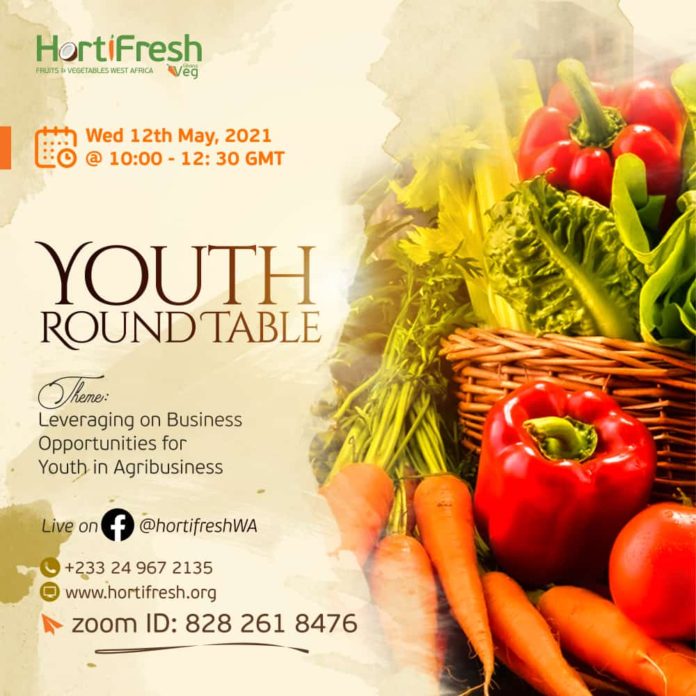
Join the HortiFresh youth roundtable meeting.

Agriculture is mainly seen as a backward activity left for the aged in the country, but this is a sector that employs about 33% of the total workforce in the country. To the youth, it is described as the last choice of employability.

To leverage on business opportunities for the youth in Agribusiness HortiFresh, a programme supported by the Embassy of the Kingdom of Netherlands which prioritizes commercial agriculture in its strategic plan of moving from trade to aid will host a virtual roundtable zoom youth meeting on Wednesday, 12th May 2021 at 10:00 am.

The meeting seeks to provide a platform for youth in the horticulture sector to share the experience of successful agribusiness partners.

This would create market opportunities for youth in agribusiness as well as providing an understanding of the agribusiness dynamics in the 21 century.

The youth are urged to join the virtual roundtable meeting to unearth the business subtleties in agriculture for employment and good livelihood.

For any further details contact +233249672135 or visit www.hortifresh.org

Ad article

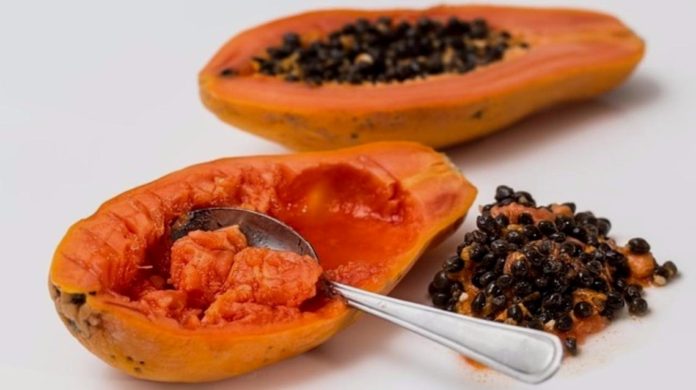
LIFESTYLE: Medicinal benefits of Papaya Seeds for Liver and Kidney.

Truly papaya is one of the most nutritious fruits in the world, but have we considered the health benefits of the seeds? Mostly, all people without knowing the surprising Health benefits of papaya seeds throw them away.

The Health benefits of papaya seeds are;
The papaya seeds are known as “traditional healers treat”, and it acts as a magic bullet for the treatment of Liver, Kidney, Digestive diseases and many more. In this article, we present some of the important health benefits of papaya seeds.

The papaya seeds have numerous medicinal properties
It Detoxifies the liver
Papaya seeds detoxify the liver easily within a month and increase the appetite mainly in elderly, children, and alcoholic patients. Papaya seeds prevent free radical production in the liver cell and easily generate new cells. Papaya seeds consist of myrosinase (an enzyme), which activates the cytochrome P 450 isoenzyme in the liver.

Papaya seed contains papain, it has the ability to dissolve and clean out the dead tissues without altering the activity of the good cells. This traditional therapy has been used for only 3 weeks and restarts again after one week. During this therapy, water intake is approximately 3-4 litres daily.

Directions for Use:
Eight to ten seeds to be taken orally with lukewarm water after the meal twice a day for 2 weeks.
On the other side, boil half a spoon of dried seed powder in water, and its decoction can be used regularly after the meal once a day.
In traditional medicines, papaya seed ash (1mg) is mixed with honey (3-5g) twice a day to detoxify the liver.

It detoxifies the kidney
The kidney is mainly responsible for the filtering of whole toxins produced during metabolism. We all are using wide varieties of unwanted toxins, which result in their deposition and hence cause urinary tract infection, calculi of the kidney, and reduction of filtering capacity. For this, it may help to repair or prevent kidney damage.

Directions for Use:
Fresh papaya seed should be taken orally in the morning time, approximately 15-20 seeds should be chewed on a daily routine for 3 weeks.
After chewing the seeds, take 200-500 ml water after half an hour.
Papaya seeds are used to heal the damage to the kidney during the filtering process. By chewing seeds, medicinally important chemicals present in the seed directly reach blood circulation and increase the efficacy of treatment 50 times.
It easily eradicates the toxins produced during the metabolism in the whole body and excretes toxins out through urine. Carpaine is an alkaloid present in the papaya seeds which detoxifies the toxins by making a chelate that is easily excreted out.

Ad article