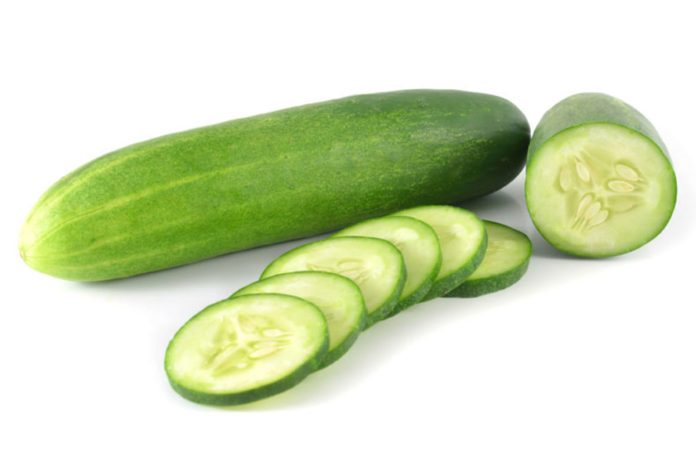
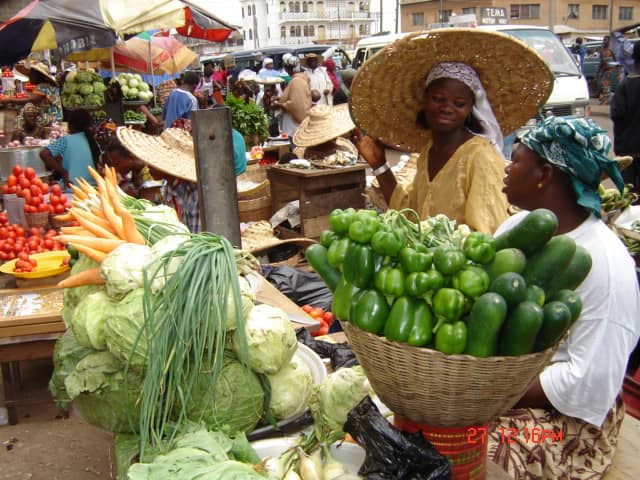
You would like to be healthier by adding more vegetables to your meals? Then cucumbers are a great choice. Cucumbers are widely used in traditional diets as well as spas across the world for a reason: They are good for your health.
Cucumbers are potential antidiabetic, antioxidant activity, cleansing action of toxins and waste, soothing effect against skin irritation, and prevention of constipation. And here are 10 health benefits of cucumbers in more detail
Help you stay hydrated. Cucumbers are 95.2 percent water, which means that a 5-ounce serving contains 4.8 ounces or 150 ml water. That’s already about 26 percent of your daily water intake through food.
Support heart health. Cucumbers contain potassium (152mg per cup), which can help lower blood pressure. A review of the best studies conducted on potassium intake showed that a higher intake is associated with lower rates of stroke and might also reduce the risk of total cardiovascular disease.
Protect your brain from neurological diseases. An anti-inflammatory substance called fisetin is present in cucumbers, as well as strawberries and grapes.
It has recently been suggested that fisetin plays an important role in brain health: It would have “the ability to reduce the impact of age-related neurological diseases on brain function,” and it would also help maintain cognitive function in people with Alzheimer’s disease.
Protect your skin against the effects of aging. There is a reason why cucumbers are used in skin care: They have been shown to be effective as a potential anti-wrinkle agent in cosmetic products, protecting our skin from the effects of aging.
Fight inflammation in the body and reduce the risk of cancer. Cucumbers can help lower the inflammatory response in the body. They contain polyphenols called lignans, which can potentially reduce the risk of certain cancers and cardiovascular diseases.
They also contain plant nutrients called cucurbitacins, which have anti-cancer properties: “Scientists have already determined that several different signaling pathways required for cancer cell development and survival can be blocked by activity of cucurbitacins.”
Relieve pain. Flavonoids, which are anti-inflammatory substances, and tannins in cucumbers have both been shown to limit the release of free radicals in the body and to reduce pain.
As explained in the Journal of Young Pharmacists, “traditionally, this plant is used for headaches; the seeds are cooling and diuretic, the fruit juice is used as a nutritive and as a demulcent in anti-acne lotions.”
Reduce bad breath. Bad breath is usually caused by bacteria in the mouth. Fiber and water-rich vegetables like cucumbers can boost your mouth’s saliva production, which in turn helps wash away the bacteria that cause the odor in the mouth.
Protect your bones. Cucumbers are a good source of vitamin K: One cup contains 22 percent of the recommended daily intake of vitamin K. This vitamin is essential for bone health, as low vitamin K intakes have been associated with a higher risk for bone fracture. Vitamin K is also important for improving calcium absorption in the bones.
Prevent constipation. Cucumbers are rich in water, and their skin contains insoluble fiber. Both water and fiber help food to move through the digestive tract quicker and more easily, helping prevent constipation.
Maintain a healthy weight. Cucumbers are very low in calories (16 calories per cup) and they also contain fiber in the skin. And foods that contain fiber can help maintain a healthy weight.
There are many ways you can enjoy cucumbers: raw in salads as a side with your meals, fermented as a pickle, or in vegetable juices. Choose organic over conventionally grown cucumbers, as cucumbers were ranked the 9th most contaminated food by the Environmental Working Group.
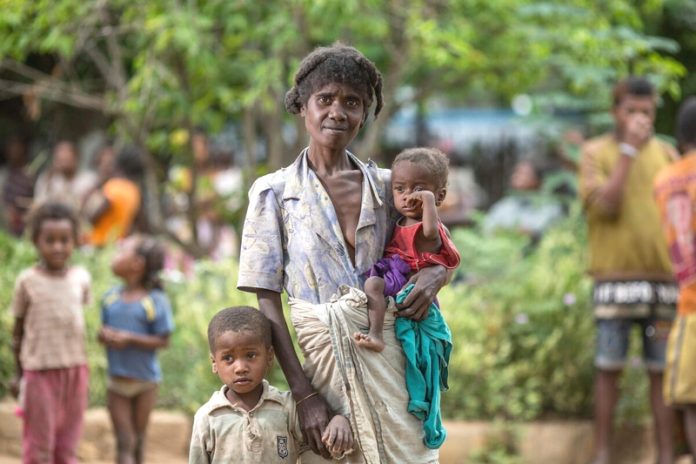
ANTANANARIVO – Three consecutive years of drought coupled with a sharp recession triggered by the COVID-19 pandemic will leave a third of the population in Southern Madagascar struggling to put food on the table. With severe malnutrition rates continuing to spiral and many children forced to beg in order to help their families eat, urgent action is required to prevent a humanitarian crisis.
With drought conditions persisting into 2021 and a poor last harvest, weary communities have few resources to fall back on and many have had to leave their homes in search of food and work. Some 1.35 million people are projected to be food insecure – 35% of the region’s population. The figure is nearly double what it was in the same period last year.
The COVID-19 pandemic has added to the hardship, causing seasonal employment to dry up. Many families relied on this income to get through the lean season, which peaks between January and April.
“To survive, families are eating tamarind fruit mixed with clay,” says Moumini Ouedraogo, WFP’s Representative in Madagascar. “We can’t face another year like this. With no rain and a poor harvest, people will face starvation. No one should have to live like this.”
Children are worst affected by the food crisis and most of them have dropped out of schools to beg for food in the streets. A WFP assessment in Amboasary in October 2020 found that three out of four children are absent from school – mostly to help their parents forage for food.
The prevalence of Global Acute Malnutrition (GAM) in children under 5 in the three most affected regions (Androy, Anôsy, and Atsimo Andrefana) stands at 10.7%. This is the second-highest rate in the East and Southern Africa region. The most recent projections put the number of children likely to suffer from acute malnutrition at more than 135,000, with more than 27,000 of these being classified as severe.
WFP currently provides food assistance for almost 500,000 severely food-insecure people in the nine hardest-hit districts in the South. Given the rapidly deteriorating situation, by June 2021, WFP intends to scale up its assistance to reach almost 900,000 of those most vulnerable. However, support will be needed for struggling families well beyond the current lean season.
WFP urgently needs US$35 million to fund lifesaving food and cash distributions and malnutrition treatment programmes. This also includes emergency school feeding for 150,000 children to ensure they can stay in school and build a more secure future.
The United Nations World Food Programme is the 2020 Nobel Peace Prize Laureate. We are the world’s largest humanitarian organization, saving lives in emergencies and using food assistance to build a pathway to peace, stability, and prosperity for people recovering from conflict, disasters, and the impact of climate change.
Agriterra has engaged stakeholders on Agricultural Cooperative Landscape Study to validate a data collection tool to map out all agricultural cooperatives in Ghana in order to constitute a digitalized database system for the Ghana Agricultural cooperative landscape.
The programme with the theme: Stakeholder Dialogue in preparation for the Ghana Agricultural Cooperation Landscape Study, converged stakeholders from academia, financial institutions, government ministries, and agencies, farmers’ base organizations, etc. were to share ideas, and make inputs on a scoping tool for data collection proposed by Agriterra Ghana and to set KPIs on how to categorize the mapped cooperatives and farmer organizations.
The Country Representative for Agriterra Ghana, Madam Habiba Nyarko Agyemang said, the dialogue was to get inputs from the major stakeholders in the Ghanaian cooperative sector for a landscape study and to share ideas on acceptable criteria for categorization of the identified segments existing among farmer cooperatives in Ghana in order to generate a Professional Digitalized DataBase.
According to the Country Rep, the scattered information on farmer groups in Ghana hinder Farmer Base Organizations and farmer cooperatives from getting the right development and business opportunities. “It is very difficult to get complete and consolidated information on cooperatives in Ghana. The existing farmer groups are not digitalized and information is scattered. Therefore, it becomes difficult to develop the right support structures for developing investable professional agricultural cooperatives.” she said.
“Having a professional digitalized database for Farmer Cooperatives in the agricultural sector will help link cooperatives to finance, inputs and markets based on detailed overviews of cooperatives and portfolios of the cooperatives”, she added. She acknowledged the stakeholders for their time and for their great inputs which made the dialogue successful.
Speaking to the stakeholders, Professor Irene Susana Egyir of the University of Ghana said she is delighted to be part of the programme to see the cooperatives working again in the near future.
“I am very happy to be part of this programme and this is what we promote, cooperatives as a business and always making sure its yields its results by venturing into out-growers schemes, farmer contracts, and the likes”, Prof said.
She thanked Agriterra for such a wonderful initiative to assist the farmers to have professionalized digital data-based cooperatives and the opportunity help to revamp the Department of Cooperatives, Ghana.
Mr. William Dale, the Deputy registrar of Cooperatives at the Department of Cooperative said as a regulatory body responsible for regulating the cooperatives, the department would support Agriterra with every piece of information needed to make its work successfully.
“We would help Agriterra and support them with the information that we have because our mandate is to assist the individual members of this society to better their livelihoods, therefore, anything that would promote this course as Agriterra is here to do we would give our maximum support”, he mentioned.
He underscored the need to see the agriculture cooperatives not to produce and sell but to add value to their produces as the cocoa industry emanated doing. To him, it would give a comparative advantage to the farmers as Nigeria and other West African Countries are doing.
A representative from Cocoa Cooperative Union described the dialogue as a very significant programme. He said the programme pointed out loopholes in the cooperative system which need to be tackled in order to build vibrant cooperatives to boost the agriculture sector in Ghana.
He opined that the roadmap is a shared responsibility between and among the government, stakeholders, and the farmers. As a farmer, he urged all the farmers to contribute their quota to make Agriterra’s effort successful.
“As farmers, we are supposed to make massive contributions in order to actualize this intervention. We are supposed to offer economic contributions like availing all information for registration, share capital, and pay our dues to receive good service and our needs been addressed in return”, he underlined.
He urged Agriterra and Stakeholders to educate the farmers by giving them prior notice before registration. According to him, that would inform the farmers’ decision to actively partake in the exercise.
AS the country ushers into New Year 2021 more than 100,600 smallholder farmers in the country will be receiving grain and vegetable seeds’ grants worth US$ 493,500 to assist them in sustainable food production.
Through its new “Better Farms, Better Lives” initiative, Bayer, a life-science oriented multinational company will run the programme for the next 12 months, starting this month and it will cover 25 districts in Mainland Tanzania.
Bayer will complement its current commitment to supporting smallholder farmers in Africa, by providing them with free hybrid corn and vegetable seeds.
The boost, according to Bayer Tanzania Manager Frank Wenga, is meant to assist them to combat the effects of the global Covid- 19 pandemic, which caused series of global food shortage crisis in the previous year.
“Smallholder farmers are essential in providing food security to billions of people, but the on-going Covid-19 pandemic is placing extra challenges on their ability to produce food for their communities and beyond,” said Liam Condon, President of Bayer’s Crop Science Division.
Also targeting to assist more than 700,000 small scale farmers across the African continent, Bayer’s ‘Better Farms, Better Lives,’ programme also aims at providing assistance with market access to the growers in line with Bayer’s overall aspiration in building a world, where there is ‘Health for All, Hunger for None’.
This special food security programme was launched at Bayer Life Science Tanzania offices in Njiro, Arusha by the Executive Director of the Tanzania Seed Trade Association Bob Shuma.
The programme, though flagged off in Arusha, will be implemented in eight countries across the continent, including, Kenya, South Africa, Tanzania, Nigeria, Zambia, Zimbabwe, Malawi and Zimbabwe.
The initiative focuses on providing smallholder farmers with the assistance needed to address the additional challenges they may be facing as a result of the coronavirus pandemic.
To ensure maximum impact, Bayer will work and expand its partnerships with governments, recognized NGOs, and local organizations; to provide accelerated access to agronomy services and knowledge; scale up existing and new value chain partnerships and further expand value chain partnerships across Africa.
“In line with our vision ‘Health for All, Hunger for None’, Bayer is focusing on providing smallholder farmers with the help they need to address immediate challenges, while building resilience for the future, and working to ensure the Covid-19 pandemic does not turn from a health crisis to a hunger crisis,” noted Klaus Eckstein, Head of Africa, Crop Science Division.
In Tanzania, Bayer will collaborate with Alliance for Green Revolution in Africa (AGRA) and with the Agriculture Council of Tanzania (ACT) to distribute 200 metric tonnes of Bayer’s Dekalb corn and 100 gram of Seminis vegetable seeds brand all valued at the US $493,500 to 25 districts among them Meru, Songea, Iringa and Kondoa.
“Together with partners, we aim to multiply the social and economic impacts of smallholder farmers in tackling poverty and hunger, improving health and livelihoods and, ultimately, spurring economic development for their families, communities, and nations,” added Bayer East Africa Limited Managing Director, Laurent Perrier.
Bayer is a global enterprise with core competencies in the life science fields of health care and nutrition.
Its products and services are designed to benefit people by supporting efforts to overcome the major challenges presented by a growing and aging global population.
At the same time, the group aims at increasing its earning power and creating value through innovation and growth.
Bayer is committed to the principles of sustainable development, and the Bayer brand stands for trust, reliability, and quality throughout the world.
In the fiscal year 2019, the Group employed around 104,000 people and had sales of 43.5 billion euros. Capital expenditures amounted to 2.9 billion euros, research, and development expenses to 5.3 billion euros.
Mr. Yaw Biredu Boateng, the Chief Cocoa Farmer of New Nsutam in the Eastern Region, has called for the protection of cocoa farms as it has been done for the rubber plantations to preserve the trees from destruction.
He said the timber merchants invaded cocoa farms in the area, fell the timber, and carted them through the farms resulting in uprooting and destroying some of the cocoa trees.
He said galamsey operators also used excavators to dig trenches, thereby causing destruction of the cocoa farms.
Mr. Boateng said cocoa production is dwindling and if care is not taken, inputs to help increase yield would be a waste due to the activities of timber and galamsey operators.
“Cocoa is the back-bone of Ghana’s economy, therefore, there is a need to adequately secure the farms by the rules and regulations since the cocoa farms sustain the economy,” he said.
According to him, the rubber plantations in the Western Region, on the contrary, were given adequate security, which protected growers from the wanton destruction of their rubber trees.
The Executive Director of Agency for Health and Food Security (AHEFS), Mr. Kwaku Onwona-Hwesofour Asante has revealed that our region needs policy coherence and harmonization as tools to ensure functional food systems.
Mr. Asante mentioned that good food systems across the continent will empower farmers and foresters to move away from the exploitation of natural resources to the sustainable management of natural resources for long-term productivity.
“Most farmers have been regarded as producers of one species or another. It is important to note that such views disregard the role of the farmers as managers of the environment and species towards the achievement of genetic capacity for the species under cultivation”, he said.
Farmers are not just producers of agriculture commodities but rather managers of our agriculture value chain” he added.
The Forester made these observations during a presentation delivery via webinar on food systems under the theme: “Maintaining Functionalities by Building Resilience to Vulnerabilities”
The Africa Food Systems Dialogue was hosted by HIRED Consult under Mr. John Aggrey with support from Madam Esther Wanza, UNMGCY Regional Youth Focus Point for Africa, with the support of UNFSS.
Mr. John Aggrey indicated that the farmer’s activities also help to strengthen the economic, social, and environmental concerns associated with agriculture intensification.
“The need for policy coherence, harmonization and coordination are critical to ensure functional food systems” he indicated
The Executive Director mentioned that our continent is facing a looming food crisis, in addition to the health and economic crisis.
“Prior to the Covid-19 pandemic, Africa was already home to more than 70% of the world’s poorest people, and 55% of the world’s hungry.
The current state of African agri-food systems is the root of the disruptions to food security during the COVID19 pandemic, leaving farmers, traders, consumers, and the governments highly vulnerable to disruptions.
Weak food systems have left millions of Africans in hunger, affecting their productive capacity and the continent’s ability to industrialize, which further weakens food systems in a vicious downward spiral” he explained.
According to him, for a functional food system to be achieved in annuals and perennials crops, governments and duty-bearers must introduce a coherent policy framework that gives priority to land banking and commodity-specific value chains.
“We need to strengthen our farmer cooperatives for commodities of comparative and competitive advantage, strengthen domestic research institutions for varietal selection and climate-informed breeding, Support for and standardization of Good Agriculture Practices (GAPs) and lastly enforce Green-Certification Systems empowered by strong markets and price control mechanizes” he added.
Mr. Fai Cassian Ndi, Founder and Chief Executive Officer of Youth Development Organization YODO, Cameroon also indicated that lack of good road accessibility from farms to market further worsen the situation in most parts of Africa.
“Reducing poverty and ending hunger depends on good agriculture practices, good roads to farms, and access to all-year-round water supply for farmers in rural areas, where most of the worlds poor and undernourished live are very necessary.
Consumer awareness connection between diet and health is quickly catching up with the general public and the demand for information on functional foods is gradually scaling up.
Africa governments need to invest more in science, technology, food laws and research as a means of dealing with functional food systems in our region” he pointed out.
There has been growing concern about the availability of maize in the country, a situation that affects our food security negatively in two folds: firstly, directly for human consumption and secondly as feed to poultry and pigs, which ultimately serve as food to humans.
Various associations like the Poultry Farmers Association have called on the government for some interventions including tac waving to enable them to import maize, soybean, and other feed ingredients to feed their livestock.
Due to the shortage, there are sharp increases in the prices of the commodities.
For example, 50-kilograms (kg) of maize, which was sold at Gh¢55.00, is now selling at Gh¢90/100. 50kg soya, which was Gh¢145, now pegged at Gh¢195.00. 50kg of concentrate was been sold at Gh¢245.00 but now it is been sold at Gh¢260.00. 50kg of the oyster shell, formerly sold for Gh¢23.00, is now selling for Gh¢33.00, and 25kg of wheat bran, which was Gh¢25.00, now costs Gh¢32.00 in Dormaa in the Bono Region not to talk of other parts of the country especially cities.
A bag of maize which was sold at GH¢150 3-4 months ago in Ejura Ashanti region, now sells for GH¢260, whiles the same which was GH¢150 in Kpando, Volts Region, now goes for GH¢300.
The situation is not different across the country: farmers in the Greater Accra Region are crying, so are those in the Volta Region and other regions.
CAUSES OF THE SHORTAGE; There are two main causes responsible for the feed shortage and they are Climate Change and the Emergence of the Covid-19 pandemic.
CLIMATE CHANGE. Climate change is a change in average conditions such as temperature and rainfall in a particular region over a long period of time. This change has really affected the seasonal planting seasons leading to food shortage as it was witnessed last year.
COVID-19 PANDEMICTH. The emergence of the pandemic and its devastating effect took every nation by surprise. The safety protocol measures compelled most of the activities to be at a halt. Lockdowns affected food production, processing, and distribution. Most of the farmers were griped with fear which prevented them from production.
As Ghana is thinking of importing some items to augment their supply, countries like Argentina are suspending the exportation of food ingredients to prevent a domestic crisis.
Where Lies The Hope For The Import Dependent Countries Like Ghana?
The shortage of feed has both short term and long term effects on animal production, and ultimately our food security.
SHORT TERMS EFFECTS (LESS THAN 2 MONTHS). The effects of feed shortage in the short term: Reduce the prices of poultry and pigs. How? Because, there’s no feed, a lot of farmers will be forced to sell their birds and pigs quickly within a short time because they wouldn’t want to lose all their investment. This will bring prices down for a while.
Emaciation of Animals: people who wish to keep their animals risk keeping emaciated animals with compromised immune systems, and easily attacked by diseases, a situation that which violates Animal Right and Welfare.
LONG TERM EFFECTS (FROM 2-12 MONTHS). Shortage of Poultry and Pig: after the initial sales of the poultry and pigs, there will be shortages.
Shortage of Eggs: eggs play an important role in our Nutrition. A lot of people substitute meat with eggs. A shortage in the supply of eggs is a threat to getting the required Nutrition, therefore, since there would be a shortage of poultry, so as eggs would be of shortage.
Arbitrarily increases in the prices of poultry, pigs, and their products. Whenever there are shortages, prices eventually increase.
Importation of poor quality products: in the absence of sufficient supply, people will be forced to import anything they would get. The quality of these cannot be guaranteed.
Food insecurity for Ghanaians. The average Ghanaian is not trained to store food; we buy in small quantities, just enough to feed us for a few days. Shortage of supply will make our situation more precarious.
A total collapse of the Poultry and Pig Industry: when the duration of the shortage prolongs, poultry and pig farmers would be forced to stop production indefinitely.
Loss of jobs and income: farmers and their employees will be out of jobs and their income levels would fall.
The possibility of social vices increasing is high. As people lose their jobs and income, some may be compelled to find ways and means to get earns meat which would lead to an increase in social vices like robbery, prostitution, and more.
THE WAY FORWARD. Reducing the cost of Production in Agriculture is the sole aim of Practical Agricultural Economists and farmers alike.
In these times, we need to do Feed Ingredients Substitution; whatever is more expensive is avoided and we go for what’s less expensive “but can that work”
Our current situation calls for the use of more “Local ingredients” and “Wastes” rather than imported ones.
Products such as Cassava, Millet, Sorghum, Rice bran, etc. can replace such ones as maize, soybeans, and Wheat bran, without a significant change in the growth, Development, and Performance of the animals.
Practical Examples. This is a good time to explore other feed ingredients such: Moringa: soybean is 46% protein and Moringa is 45% protein; if soybean is expensive, it could be a substitute for Moringa.
Rice bran: Wheat bran contains 13% of protein which is equivalent to rice bran. Their digestible energy contents are also similar. Ghana does not produce wheat but rather rice, hence their brand. It is better to use the cheaper locally produced rice bran than the more expensive imported wheat bran.
Maize is 9% protein and 71% carbohydrates (mainly starch) while Cassava has 1% protein and 38% carbohydrates with a lot of fiber. We can harness cassava to replace maize or to reduce the quantity of the maize needed in the animal feed.
Leaves of Leucaena Gliricidia and Moringa are good sources of dietary fiber, minerals, and vitamins which could be used to substitute for soybean, vitamin premix, mineral supplements, and alfalfa.
Palm kernel cake is a good source of fiber and protein for animals. However, this is “a waste” in the palm kernel oil industry. It could be used in the pigs and poultry industry.
Sawdust: sawdust from the deep litter bedding system of keeping pigs eventually turns into feed for the pigs to reduce the cost of feeding. Why not add more of the IMO to the sawdust to speed up the conversion of the cellulose into simple sugars?
Corn cob: do you know corn cob could be used to feed animals including chickens, pigs, and ruminants? Grind them into appropriate sizes and incorporate them into the feed.
Agro-based by-products from the processing of roots and tubers, legumes, and cereals, as well as fruits and vegetables, could be used as feed. Examples: Brewer’s Spent Grains, Cassava, Yams, and Potato Peels, Banana & Plantain peels, etc. are all good alternatives to the conventional grain-based feed.
Banana and Plantain Stems: historically, banana and plantain stems have been left to rot on the farm which is the best source for both poultry and pig.
Irrigation: with irrigation, crops can be produced all year round, and shortages prevented.
The location will however determine the feed ingredients available to you for use.
A few things we need to know about whatever feed we produce are: The protein content must be appropriate for the type and age of the animals.
The energy content must be taken care of. Palatability: the feed must be readily accepted by the animals. The feed should not be too expensive. In conclusion, the situation we are facing now demands Innovation and creativity to overcome them. All hands must be on the deck.
Written by: Emmanuel Ankugah; Agricultural Economist and Agronomist.
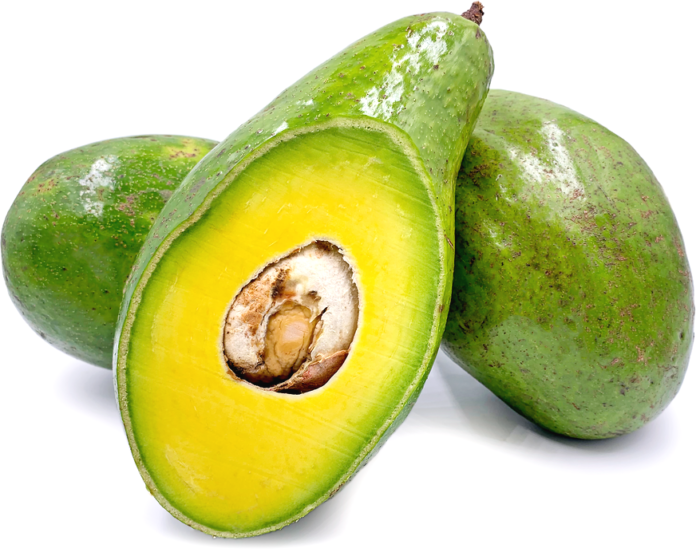
Avocados are a delicious and unique fruit that offers a range of benefits when consumed. They are very good for your skin and hair as they are rich in beta-carotene, which turns into vitamin A in your body. They are good for your digestive health and keep the liver functioning well.
Mentioned below are the best health benefits of Avocado.
Avocado good for digestion. Avocados are considered good for digestion due to many reasons. They tend to soothe the intestines, preventing any inflammation or symptoms of the same. They are also extremely rich in insoluble and soluble fiber. This helps your stool bulk up and move down the digestive tract, giving you regular and better bowel movements.
Furthermore, avocados also help your digestive system secrete more gastric bile and juices, which goes a long way in maintaining your stomach’s health as they prevent acidity and allow food to break down and be digested in a more efficient manner.
Avocados can help you treat constipation and diarrhea. They even make sure that the nutrients from the food are absorbed properly into the system.
Avocado good for dental care. Most types of bad breath are caused due to indigestion or other types of stomach problems. Start eating avocado by improving your digestive health, you can prevent or eliminate halitosis completely.
Since avocados help ensure that your digestive system runs smoothly, they can help you get rid of bad breath. Furthermore, avocados also contain antibacterial properties and flavonoids and these eliminate the bacteria in your mouth. Studies have also shown that this fruit can also help you prevent oral cancer.
Avocado has cosmetic properties. Avocados are very good for your skin and hair. If you have dry, damaged, or chapped skin, avocados can help you enrich them. They can also be used to add nourishment to dry and damaged hair. They can help treat plaque psoriasis as well and are known to prevent premature aging and the signs of the same.
Avocados are rich in beta-carotene, which is what turns into vitamin A in your system. Vitamin A is proven to be very good for your skin and hair.
Avocado good for your liver. Your liver is an extremely essential organ and determines the health of your entire body. This is why it is vital to take care of it well. Avocados can help protect your liver from damage. This is mainly because they help tone up the liver, which means that it secretes bile and gastric juices properly and on a regular basis. This goes a long way in preventing it from damage.
Avocado good for your kidneys. Avocados help you maintain the health of your kidneys. It can balance out the minerals and fluids in your body, which is really handy if you suffer from a kidney disorder.
Avocados are also very rich in potassium. This is pertinent because this mineral helps your body maintain its fluids and channel them out of the body when they are not required. When these fluids are balanced, your kidney functions at an optimum level as it is responsible for moving out the fluids and toxins in your body.
Avocado helps in morning sickness. Morning sickness is a normal part of pregnancy but that doesn’t stop it from being highly inconvenient and even uncomfortable. While there’s not much that can usually be done about this, eating certain fruits and vegetables can help make it easier or even make it stop eventually.
Avocados are one such fruit. They are rich in vitamin B-6 and this vitamin is known to help with nausea and vomiting. While you may not be completely free of morning sickness till your body dictates otherwise, this fruit can certainly reduce the amount you throw up or help with the frequency.
Avocado good for arthritis. Avocados can help treat arthritis. They are filled with a variety of healthy nutrients such as omega 3 fatty acids, carotenoids, flavonoids, phytochemicals, and fatty alcohols.
Avocado help in reducing inflammation that occurs in the muscles and joints and can be very useful for people suffering from arthritis. It can help with the pain that is associated with arthritis and even bring down some of the swellings that may make it hard to live a normal life.
Avocado has antioxidant properties. Including food products that contain antioxidants in your diet is vital these days because of the kind of strenuous lifestyles that most people lead. Harmful pollutants in the air, stress, and an unhealthy diet can really take your system a toll and it’s important to have some sort of damage control mechanism in place.
Avocados are rich in antioxidant properties. This means that they help get rid of the free radicals in your system and also boost your immune system, keeping you healthy. They are even known to be effective against certain types of cancers.
Avocado good for the eyes. Avocados are rich in beta-carotene, which turn into vitamin A in your body, they are good for your eyes and can help improve your vision.
Avocado benefits for diabetic patients. Avocados also offer a host of other health benefits. They can prevent you from a vitamin K deficiency. They can help you prevent weight gain while still maintaining a diet that’s rich in important nutrients. They help reduce blood glucose levels and can therefore be very beneficial for diabetics.
Avocados also promote a healthy heart as they help lower LDL cholesterol levels, prevent cardiovascular disease. Since they are rich in potassium, they also help lower your blood pressure on the whole.
A farmer by the name of Mr. John who is believed to be in his 40s has allegedly murdered his seven (7) months old son and stabbed his girlfriend by the name Hamidiya at Gambia in the Upper Denkyira Municipality in the Central Region of Ghana.
According to the report, the incident happened on 30th December 2020 when the farmer tried to butcher the girlfriend with a machete but wrongly landed on his son’s head and stabbed the girlfriend who was pregnant.
Hon. Suleman Mumuni, the Assemblyman in the area told Agric Today that Mr. John had a heated argument with his girlfriend after a young man had followed the girlfriend to the house to receive a Christmas gift.
“Madam Hamidiya came back home with a young guy who has requested for Christmas gift from her. Upon reaching the house, Mr. John who was by then cooking threatened the young guy which made him run away. Right after that, Mr. John had a quarrel with the girlfriend which resulted in hitting the girlfriend with a machete but it landed on his son’s head who was then at the back of Hamidiya. Noticing the blunder caused, he stabbed the girlfriend who was then pregnant and fled”, he sadly narrated.
According to Hon. Mumuni, Hamidiya was rushed to the hospital but Mr. John and the 7-month baby could not be found.
He said that the girl had a miscarriage as a result of the treatment meted to her by the boyfriend.
Hon. Mumuni told Agric today that prior to this tragedy, this same man shot at his girlfriend but fortunately, he missed the target. “Mr. John on October 2020 shot at his girlfriend but God been so good the girlfriend survived and the case is even pending at the police station”, he added.
The case has been reported to Dunkwa divisional police command for investigation and the entire community is in a search for Mr. John and the remains of the baby.
Agric Today would follow the case and bring the outcome to its cherished readers.
Is there really one fruit that can give you fresh glowing skin, regular periods, and a flattened tum? Yep. You better believe it. Papaya, AKA ‘the fruit of the angels’ is well known to provide a TON of life-changing benefits. So if you’re looking to start getting healthy and beautiful, consider this delicious fruit.
Pawpaw, ‘the fruit of the angels’.
It protects your heart. When cholesterol becomes oxidized it clogs and narrows your arteries, but thanks to papaya’s amazing benefits it can do lots for your cholesterol. Its rich source of vitamins B, C, E, beta-carotene, and lycopene helps reduce the oxidation of cholesterol within your body’s arteries, which can only be a good thing!
So by increasing your intake of foods like papaya, you can improve the blood flow to your heart, thereby reducing your chances of heart attack and stroke! Don’t know about you, but we are all over this.
It gives you glowing skin. Papaya has special enzymes called papain which act as an exfoliation agent by breaking down the surface of the skin cells, lock in moisture, reduce pore size, and keep the wrinkles at bay.
Director of natural skincare range, Rhodes to Heaven, Annabel Rhodes says, “It has an incredibly high amount of antioxidants making it amazingly effective at removing dead skin cells as a natural exfoliator and also aids skin repair.”
This not only means it can give you radiant skin but its exfoliating benefits can also do wonders for dandruff, blemishes, and dry cracked heels too! For a quick natural pick-me-up apply fresh thin slices of papaya on your face for 25 minutes. Failing that, try this papaya resurfacing peel from Ling Skincare. We’re totally in love!
It aids digestion. Papaya is great for aiding poor digestion. Its healing powers help take the stress off your digestive system helping you metabolize and break down foods faster than ever before!
Nutritionist at The Nutri Centre, Lorna Driver-Davies explains further, “Papaya is well-known to support healthy digestion as it contains natural enzymes for general digestion but in particular protein digestion.
It’s a great food source for diabetics. This mouth-watering fruit can be eaten without having to fret over high natural sugar content which makes it a no-brainer for diabetics! What’s more, papaya is also a fantastic source of antioxidants, making it a practical and affordable choice for anyone seeking a guilt-free treat.
It’s anti-aging. Ladies, it’s time to eat your way to younger-looking skin and papaya’s abundance of natural alpha-hydroxy acids (AHAs) will help make your skin look brighter, plumper, and smoother (without the dizzying price tag).
Furthermore, the “low sodium quality of papaya means it’s amazing for hydrating the skin and increasing the elasticity and suppleness,” says Annabel. Sounds like a winner to us!
It helps reduce cholesterol levels. This orange fleshy fruit is an ideal option to help reduce your cholesterol level, which has proven to abate with a fiber-rich diet.
For a heart-healthy breakie, add sliced papaya to a bowl of natural porridge first thing in the morning. Both foods contain cholesterol-fighting fibers which help eliminate low-density lipoprotein (LDL), ‘the bad cholesterol’ from the body.
It’s a tasty way to fight cancer. Nutrient-rich foods are known to help protect the body’s natural defense. Like many fruits, papaya is rich in antioxidants. But it’s pretty hard to compete with since it’s combined with cancer-fighting lycopene and another (less well known) carotenoid called beta-cryptoxanthin, which proves to protect against lung cancer.
Annabel says, “Research has shown that Papaya is a potent cancer fighter that is highly effective against hormone-related cancers as well as other cancers. It can help to stop the growth of breast cancer cells, halt metastasis, and normalize the cell cycle.”
As a natural cancer-fighting remedy try papaya extract with green tea. Evidence suggests that the two help slow tumor growth and kill cancer cells.
It’s an anti-inflammatory. It might be a hell of a long time ago but in 1492, Christopher Columbus coined the papaya as the ‘fruit of the angels’ for its amazing anti-inflammatory powers. He was obviously onto something as research found that the fruit’s proteolytic enzymes can be JUST as effective as many non-steroidal anti-inflammatory drugs. While papaya’s soothing properties can also help relieve pain from ailments such as arthritis, edema, and osteoporosis.
it helps to control menstrual Irregularities. Papaya is another period-loving food we’re obsessed with. Just take it from women around the world who regularly use pawpaw to help regulate their menstrual cycles, especially during menopause.
And because papaya’s a natural anti-inflammatory, it’s also a great way to help alleviate painful period cramps too!
It can help flatten your stomach. Want to shed that last bit of blubber? Papaya’s super enzyme, papain helps to promote faster digestion, relieve constipation, and promote healthy waterworks which ALL aid efficient weight loss.
Furthermore, one cup is only 55 calories so you’re hardly compromising your summer beach bod, are we right?
Boost your eye health. Papaya is the ultimate eye insurance! Much like carrots, papaya provides us with carotenoids. Being rich in beta-carotene, carotenoids lutein, AND zeaxanthin make it a fab way to help against age-related macular degeneration (AMD) and cataracts.
Tip: Try to eat at least three or more fresh fruits per day as studies have proven that it can greatly reduce your risk of AMD.