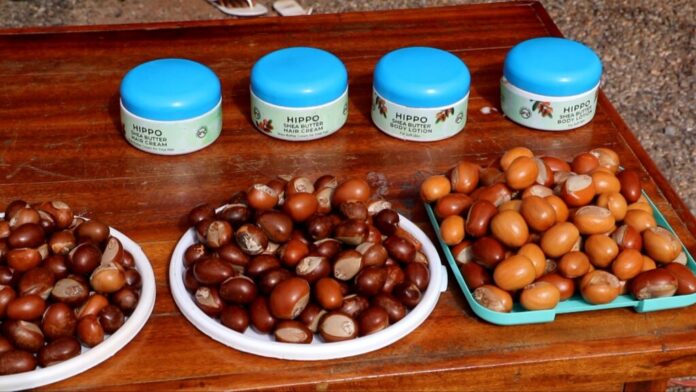
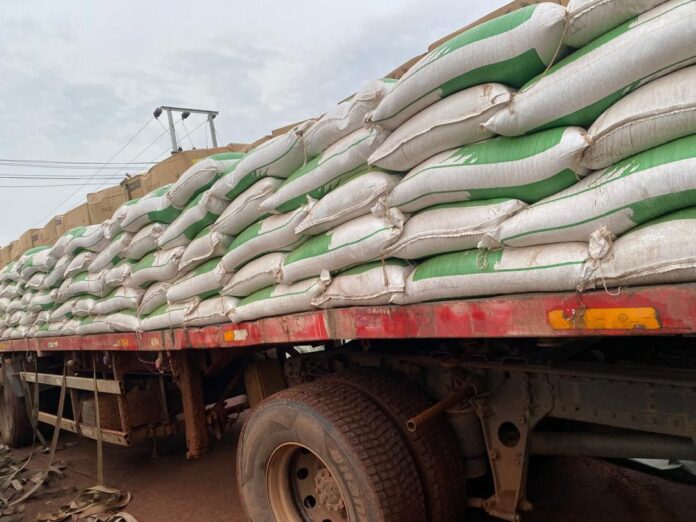
Despite Ghana earning approximately GHS 1.93 billion from shea exports, the country still imported GHS 1.86 billion worth of shea oil.
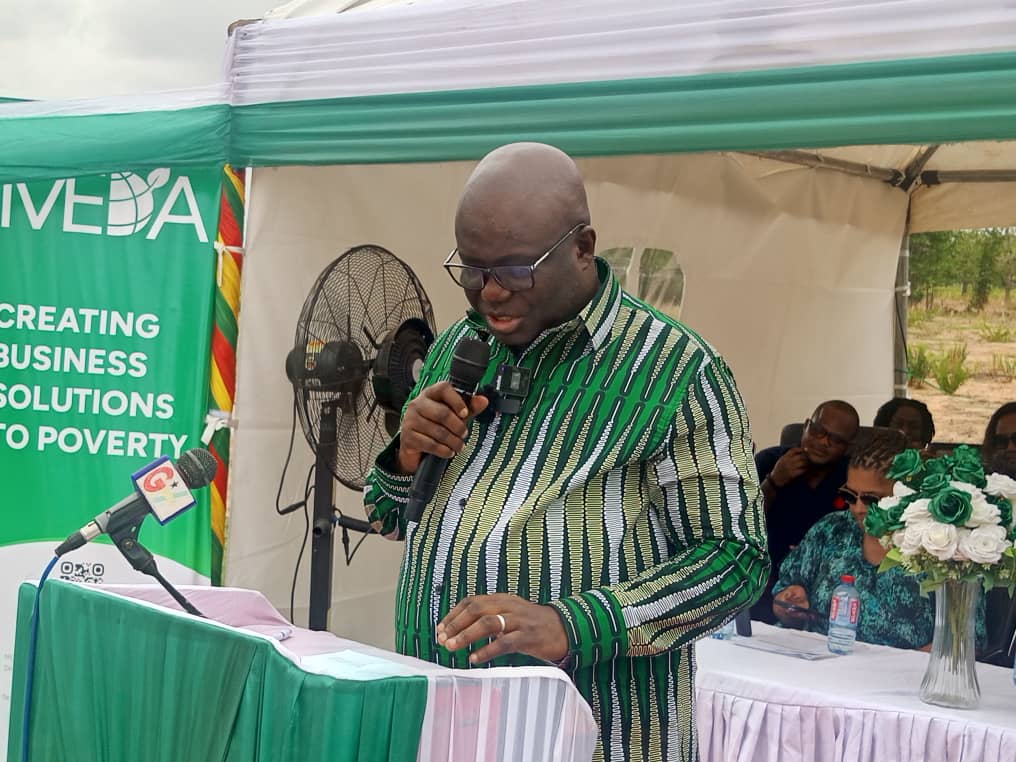
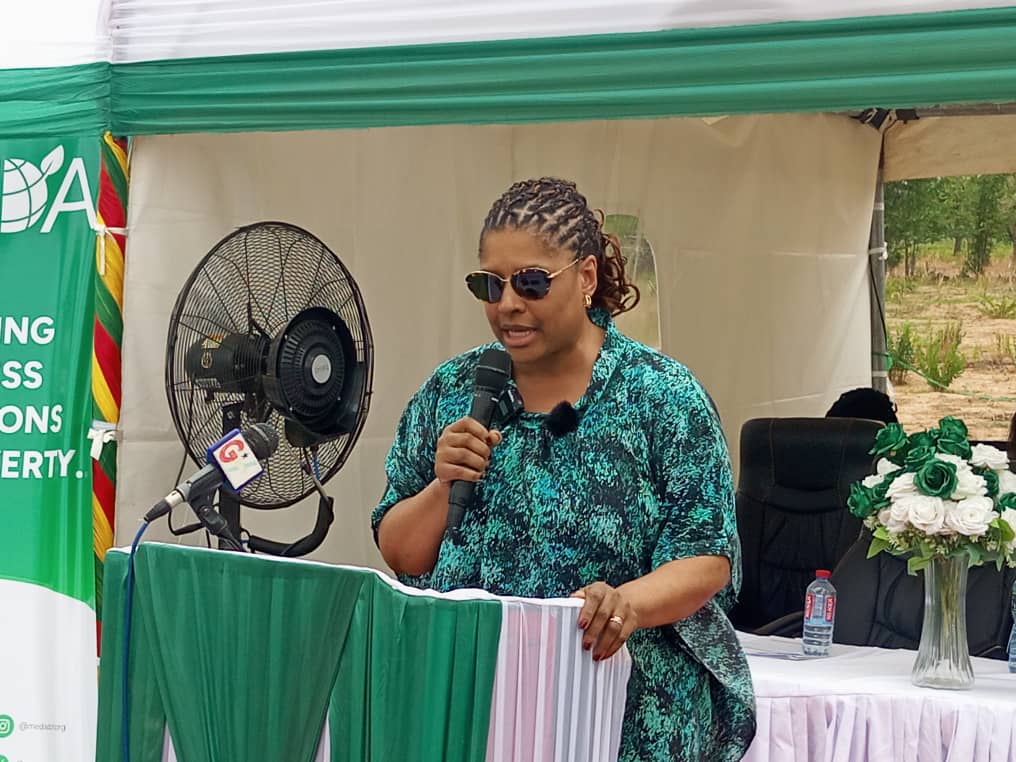
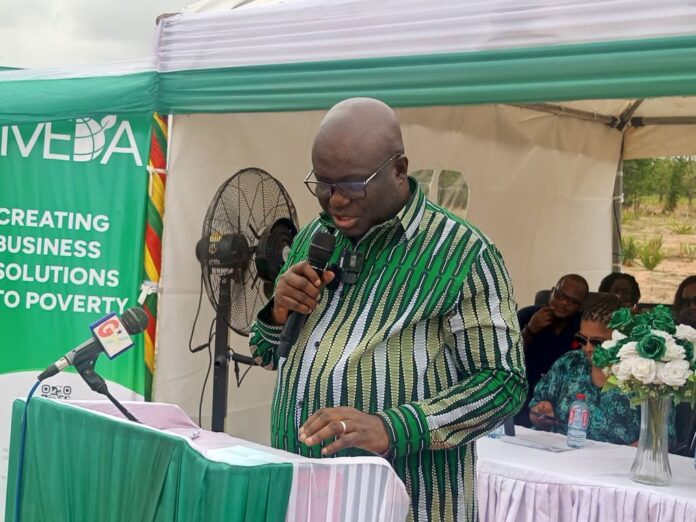
In the opening ceremony of the World Shea Expo 2026 at Wa, the Director of Presidential Initiatives in Agriculture and Agribusiness at the Office of the President, Dr. Peter Boamah Otokunor explained the government’s policy to sustain and improve the livelihood of the shae farmers and the processors.
“This means that while we produce, others process and profit more. This imbalance is not sustainable, and it is exactly what we are determined to change,” he declared as compared Ghana’s raw export value to the imported value of finished products.
To combat this, said the government is taking bold policy steps, including a phased restriction on the export of raw shea nuts to retain more value within Ghana. He added that the introduction of the 24-Hour Economy policy will further transform the sector by removing time limits on processing and reducing post-harvest losses.
“For many women across northern Ghana, especially in this very region, the shea nut is not just a product—it is survival, it is school fees, it is healthcare, and it is hope,” Dr. Otokunor added.
Championing this export course, the Member of Parliament for Wa East and Board Chairman for the Ghana Export Promotion Authority (GEPA), Dr. Godfred Seidu Jasaw, stressed the critical need for strict local bylaws to preserve the shea tree from environmental destruction.
“The shea tree is a climate-resilient economic lifeline for Northern Ghana,” Dr. Jasaw stated. “If we do not jealously protect the raw material source, our processing targets and government investments will mean nothing.”
This agenda was further reinforced by GEPA’s Deputy CEO, Ambrose Edwin Nsarkoh, who elaborated on the authority’s commitment to facilitating international market access for local processors. He highlighted that Ghana holds a significant share of the global shea industry, valued at $6.4 billion.
“By enforcing the mandate to process at least 50% of our raw materials locally, we are aggressively working toward our target of $10 billion in non-traditional export revenue by 2030,” Mr. Nsarkoh explained.
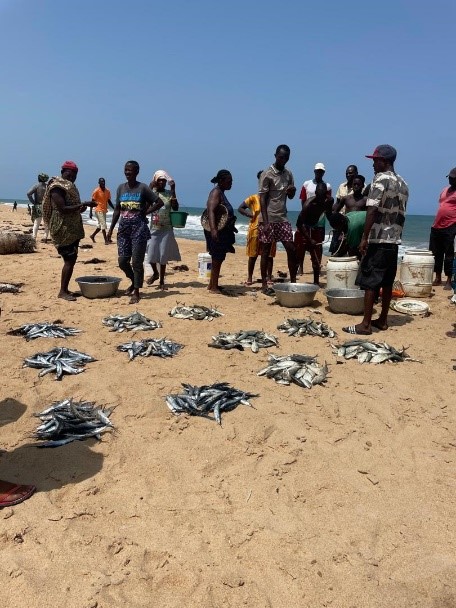
For two consecutive months, Millicent ‘Mama’ Dzissah, a 45-year-old fishmonger and retailer at Vodza near Keta, has watched her livelihood slip away as dwindling fish stocks in Ghana’s Volta Region coastal waters leave fishermen returning with little or no catch.
The shortage has cut off Ms Dzissah, a mother of five, from her fish supply, deprived her household of its main source of income, and underscored the growing hardship facing fishing-dependent families already bearing the brunt of climate change.
According to her, the decline in fish stocks has intensified over the past decade, steadily eroding the livelihoods of women who depend on artisanal fishing. “I have been in the fish business for about 25 years, but going two months or more without trading has become common in the last 10 years,” she said.
The scarcity has also driven fish prices sharply higher. “A container of fish weighing between 60kg and 80kg now sells for GH¢1,300, but in the past, that same amount could buy three to four containers,” she added.
Climate Pressure on the Sea
Studies show climate change is already affecting Ghana’s marine ecosystems, particularly small pelagic species such as sardinella, anchovy and mackerel—key sources of food and employment. Catches have declined significantly over the past three decades, with some stocks falling to less than 10 percent of early 1990s levels due to overfishing and ocean warming (CSIS, 2024).
With supplies dwindling, Ms Dzissah has turned to alternative income sources, selling sachet water and a locally brewed hibiscus drink, ‘sobolo’, to support her household. “There are limited economic opportunities here. This is what I do to earn a little income for my family, but the returns are woefully insufficient,” she said.
The combination of rising prices and declining supply is squeezing profit margins for small-scale fish traders and deepening economic strain across fishing households in Keta.
A senior academic at Kwame Nkrumah University of Science and Technology (KNUST), Professor Daniel Adjei-Boateng, said climate change is emerging as a significant threat to Ghana’s fisheries sector, marine biodiversity and coastal livelihoods.
While overfishing and illegal practices remain major challenges, he noted that rising sea temperatures, shifting ocean currents, sea-level rise and coastal erosion are compounding the crisis. For communities like Keta—where fishing is both an economic activity and a way of life—the risks are profound.
The Food and Agriculture Organization (FAO) also notes that changing rainfall patterns and reduced freshwater inflows can limit nutrient supply to coastal ecosystems, weakening fish reproduction, migration and productivity in small-scale fisheries.
Fishermen under strain
Irregular rainfall patterns across the Keta enclave are believed to be contributing to declining fish stocks, with effects felt across the entire artisanal fishing value chain. As sea surface temperatures rise in the Gulf of Guinea, many fish species are migrating to cooler waters, forcing artisanal fishers to travel farther offshore.
According to the Ghana National Canoe Fishermen Council, 1,515 canoes were operating along the Volta Region coastline as of April 2026, with 72 based in Vodza.
Fishermen and canoe owners say they are bearing the brunt of the crisis. Many report drastically lower catches and rising operational costs, as they spend longer hours at sea and consume more premix fuel in search of fish.
A 70-year-old canoe owner and Deputy Chief Fisherman at Vodza, Moses Nutsugah, said sea erosion has become a recurring challenge, occurring every four to five years and damaging canoes, nets and landing beaches.
“In the past, we used to have bumper harvests just 10 to 20 metres offshore. Now, fishermen must travel between 18 and 30 kilometres to catch very little fish or return empty-handed. About 10 years ago, I could catch around 200 kilograms, but now it takes divine intervention to catch more than 10 kilograms,” he said.
Amid the crisis, Mr. Nutsugah now relies on financial support from relatives in Accra and Kumasi. “There are no viable economic opportunities here. I depend on family members who sometimes assist me,” he added.
Coastline under siege
Keta remains one of Ghana’s most climate-vulnerable coastal areas. Shoreline erosion, tidal surges and sea-level rise continue to threaten homes, landing beaches and fish processing facilities, while saltwater intrusion risks damaging the Keta Lagoon’s role as a nursery for fish.
Recent developments reflect these long-standing threats. In Fuveme in the Anloga District, tidal waves have destroyed fishing assets, homes and critical infrastructure, crippling the local fishing economy.
The latest erosion episode in April 2026 submerged large sections of the community and swept away a sandbar built as a temporary defence, significantly narrowing the land buffer between the Atlantic Ocean and the Volta River and raising concerns about the possible formation of a new estuary.
A fisherman at Atiteti-Fuveme, Amos Agboado, warned that the impact could extend beyond marine fishing. “We fear seawater intrusion into the Keta Lagoon and surrounding inland water bodies, which could affect breeding conditions for tilapia and mudfish,” he said.
Residents say constructing sea defence infrastructure is critical to protecting communities and sustaining livelihoods. Mr Agboado also proposed the construction of a canal between the ocean and the lagoon to regulate seawater inflows and stabilise salinity levels.
Policy gaps, urgent choices
At the policy level, Ghana’s National Fisheries and Aquaculture Development Policy emphasises climate resilience, including transitioning fishers from wild capture to aquaculture to reduce pressure on marine stocks. However, as the policy enters its final year, many in Keta say there is little evidence of improvement in their livelihoods.
A 2023 analysis in the UCC Law Journal identified weak enforcement, low compliance and limited institutional capacity as key constraints in the fisheries sector.
The Fisheries Commission has launched a $1.3 million, three-year initiative to operationalise the Fisheries and Aquaculture Act, including plans for a Development Fund to support habitat restoration and research into climate-resilient fish species.
The initiative aligns with the Global Biodiversity Framework’s 30×30 target, which aims to protect 30 percent of the world’s marine and terrestrial ecosystems by 2030.
Conclusion
Climate change is already reshaping Ghana’s fisheries landscape. In Keta, warming seas, shifting fish migration, coastal erosion and biodiversity loss are intensifying pressure on livelihoods and food security. Without urgent adaptation measures and stronger fisheries management, the country risks losing both critical marine ecosystems and the coastal communities that depend on them.
World food prices climbed in April to their highest in more than three years, with vegetable oils particularly elevated due to the Iran war and the effective closure of the Strait of Hormuz, the United Nations Food and Agriculture Organization (FAO) said on Friday.
FAO Chief Economist Máximo Torero said vegetable oil prices are being driven by elevated energy costs that are in turn raising demand for biofuels made using organic materials, such as oil-rich plants.
He added, however, that despite war-linked disruptions, agri-food systems were showing resilience, with cereal prices having increased only moderately thanks to adequate supplies from previous seasons.
The FAO Food Price Index, which measures changes in a basket of globally traded food commodities, rose for a third consecutive month in April to average 130.7 points, the UN agency said, up 1.6% from its revised March level and the highest since February 2023.
The index hit a peak of 160.2 in March 2022 after the start of the Ukraine war.
The FAO’s April vegetable oil price index rose 5.9% month-on-month to its highest since July 2022 as a result of increased soy, sunflower, rapeseed oil and palm oil prices, the latter, notably, underpinned by biofuels policy incentives.
By contrast, April cereal prices rose just 0.8% from March and were up 0.4% from a year ago, reflecting modestly higher prices for the likes of wheat and maize linked to weather concerns, rising fertiliser costs and increased biofuels demand.
There are expectations for reduced 2026 wheat plantings, the UN agency said, as farmers shift to less fertiliser-intensive crops given prices for the inputs have surged.
Elsewhere, April meat prices rose 1.2% month-on-month to a record high amid limited slaughter-ready cattle in Brazil, the FAO said, while sugar dropped 4.7% thanks to forecasts for ample supply in Brazil, China and Thailand.
In a separate report, the FAO slightly raised its 2025 global cereal production estimate to a record 3.040 billion metric tons, 6% above levels seen in the prior year.
Ghana’s state-owned cocoa buyer is unable to purchase cocoa from farmers after accumulating debts of 673 million cedis ($60 million) that have left it facing an asset seizure, a company source with knowledge of the matter told Reuters.
The company, Producer Buying Company (PBC), is legally mandated to purchase cocoa from any farmer as a buyer of last resort. The government pledged in February to restore it as the country’s leading cocoa buying company.
But three months later, PBC owes growers 24 million cedis for over 9,000 bags already delivered and lacks the liquidity to resume purchases, the company source said.
A consortium of Ghanaian banks owed 257 million cedis secured a court order in March to sell off the company’s assets, the source said.
Ghana’s cocoa industry has been in crisis as it has struggled to sell beans and pay farmers this year due to ample global harvests, lower cocoa prices and falling demand from chocolate makers for the ingredient.
PBC’s woes also stem from a loss of market share – it used to control 30% of the domestic market but currently buys less than 5% of cocoa produced in Ghana. Its problems risk further exacerbating financial hardship for Ghana’s smallholder farmers, thousands of whom have not been paid for beans delivered since November 2025.
The company source, who spoke on condition of anonymity because they were not authorised to brief the media, said COCOBOD has yet to reimburse PBC for 800 metric tons of cocoa delivered more than two months ago.
Under Ghana’s cocoa system, PBC and other Licensed Buying Companies that purchase cocoa from farmers then sell it to COCOBOD, the market regulator, which sells it on to international buyers.
Neither the finance ministry nor COCOBOD has responded to requests from PBC for support, the source said.
The finance ministry and COCOBOD did not respond to requests for comment.
Finance Minister Vowed to Aid Company
Finance Minister Cassiel Ato Forson said in February that the revival of PBC was central to the government’s strategy of supporting cocoa farmers, promising a reliable and transparent avenue for growers to sell their product at fair prices.
The source said the minister has since not had any discussions with the company on the way forward.
COCOBOD says it has been disbursing funds to buying companies. But the company source said PBC had not received any money.
PBC’s debt includes over 24 months of unpaid staff salaries, vendor arrears and outstanding statutory payments, in addition to the 257 million cedis owed to banks, the source said.
Two of the five banks in the consortium that secured a court order to sell off PBC assets are state-owned and all report to the finance ministry.
SSNIT, the state pension fund and a major shareholder, has been reluctant to inject fresh capital into PBC, having not received expected dividends since its initial investment, the company source said.
A structured COCOBOD intervention could turn things around, the company source said, if the board directed a share of international buyers towards PBC and released funds for purchases.
PBC operates in all 127 cocoa-growing districts, giving it a bigger reach than any private company.
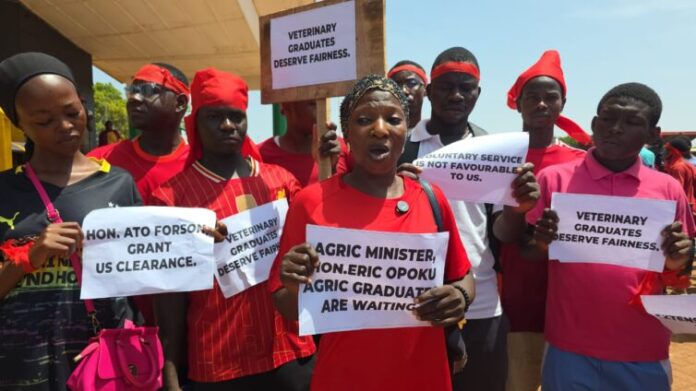
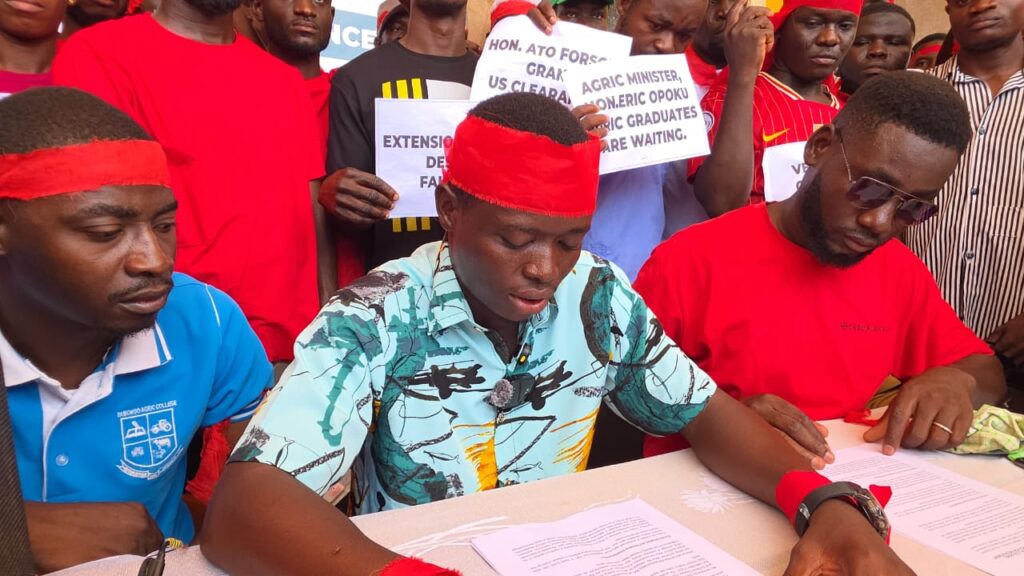
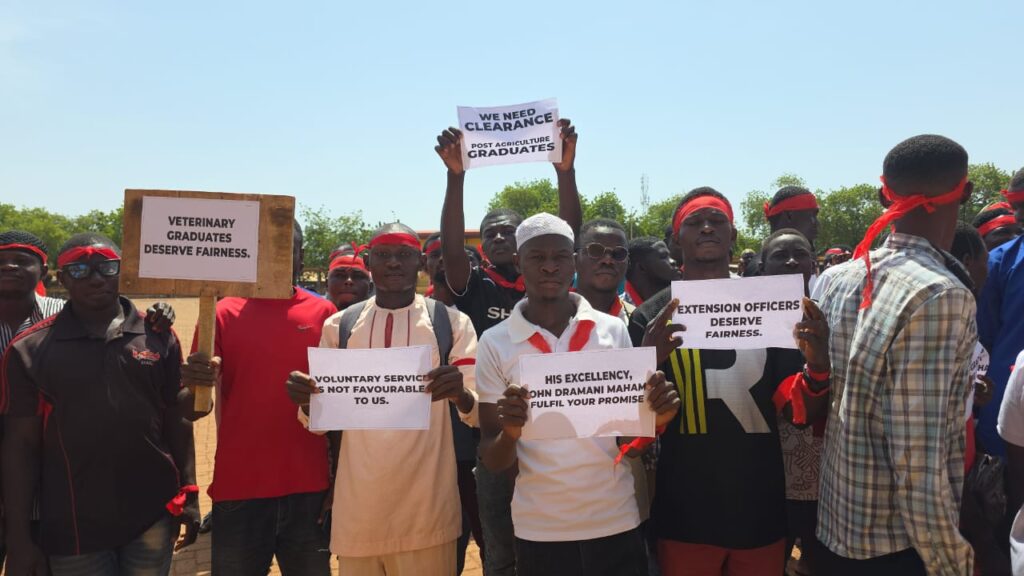
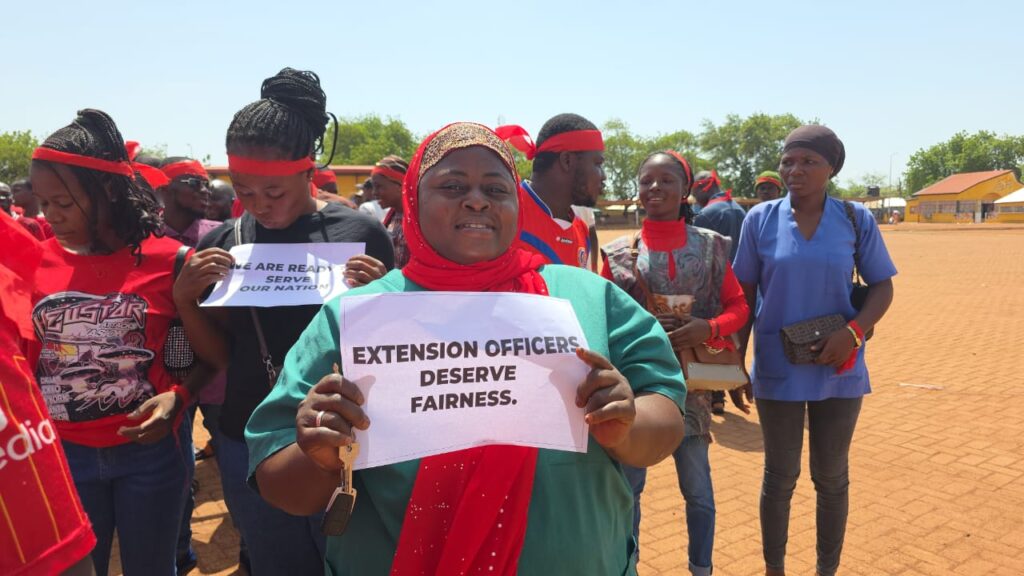
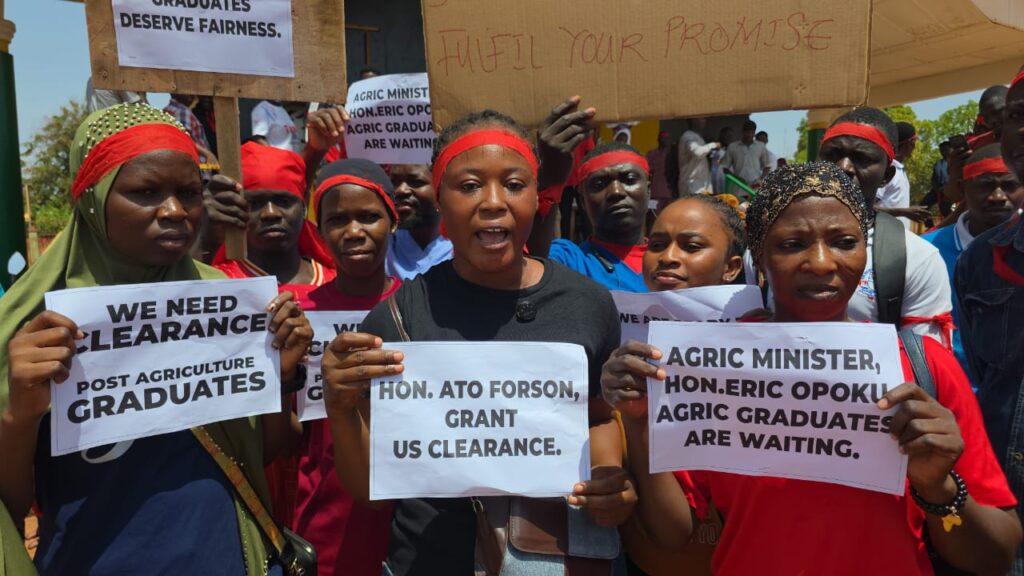
Thousands of graduates from Ghana’s Agricultural Colleges are pressing the government to approve recruitment into long-vacant positions, arguing that a backlog of more than 5,000 trained officers is weakening the country’s extension and veterinary services.
Coalition Secretary, Mohammed Abubakari Sadik, said qualified veterinary, crop, and extension officers have remained unemployed for up to seven years despite worsening staff shortages at the Ministry of Food and Agriculture.
“Each year, thousands of passionate, skilled, and trained graduates in agronomy, animal science, agricultural economics, extension, horticulture, and related fields complete their studies, ready to contribute to national development,” he said.
“Yet, a large number of us remain unemployed or underemployed.”
The coalition comprises graduates from six public colleges: the Animal Health and Production College in Pong-Tamale; Kwadaso College of Agriculture and Entrepreneurship; Ejura College of Agriculture and Mechanisation; Ohawu Agricultural College; Damongo College of Agriculture and Allied Sciences; and Wenchi College of Agriculture and Applied Technology.
Mr Sadik said the coalition first raised the issue publicly in December 2024, when more than 1,000 trained officers were unemployed. He added that former President Nana Addo Dankwa Akufo-Addo pledged in 2021 to recruit 1,100 veterinary and crop extension officers in 2022.
According to him, about half of the officers have since been deployed, but delays in posting the remaining personnel have raised concerns about the Ministry of Food and Agriculture’s commitment to addressing staffing shortages.
The secretary argued that the graduates’ expertise is critical to government initiatives such as the Feed Ghana Programme and the broader Agricultural Transformation Agenda.
He also criticised the implementation of the Feed Ghana Programme, which sought to engage graduates through the National Service Scheme amid fiscal constraints linked to Ghana’s IMF programme.
Mr Sadik cited delayed payment of allowances after three months of service, the failure to issue official NSS PIN codes to some posted graduates, and a requirement for monthly reports to be submitted physically in Accra as some of the challenges affecting the programme.
He further stated that some ministry offices had rejected posted personnel due to the absence of formal communication from the authorities.
Mr Sadik appealed to President John Dramani Mahama, Minister for Food and Agriculture Eric Opoku, and Finance Minister Dr Cassiel Ato Forson to grant financial clearance for all qualified graduates, complete the deployment of the remaining officers promised in 2022, and transition from temporary arrangements to permanent employment.
He also called for digital reporting systems to replace manual submissions and urged the government to adopt recruitment processes similar to those used in the education and health sectors.
“While we initially supported the voluntary service arrangement due to economic constraints, we can no longer sustain this model,” Mr Sadik said. “Agricultural graduates deserve fair and equitable treatment.”
The Greater Rural Opportunities for Women 2 (GROW2) project has supported women smallholder farmers with 25 solar-powered boreholes to boost climate-smart agriculture in the Northen, Savannah and Upper West Regions of Ghana.
GROW2, a project funded by Global Affairs Canada (GAC) and implemented by Mennonite Economic Development Associates (MEDA) in collaboration with the Ministry of Food and Agriculture (MoFA), has officially commissioned the 25 solar-powered boreholes at the solar-powered irrigation site in the Moglaa community, Savelugu Municipality of Ghana’s Northern Region.
These solar-powered boreholes are to strengthening women’s indigenous knowledge in vegetable farming while expanding opportunities for climate-smart, year-round production.
To grace the commissioning at Moglaa, the Minister of Agriculture, Hon. Eric Opoku expressed his gratitude for the answering to his request during the curtesy call of the Canadian High Commissioner, H.E. Myriam Montrat to his office. This request was to support the Feed Ghana Programme with solar-powered boreholes, hence the completion of the 25 solar-powered boreholes in full operation.
According to the Minister, this project is to prevent prolong inactive farming activities by the women smallholder farmers during the drying season at the enclaves. “During the dry season, farmers, especially women farmers are forced into months of inactivity after the harvest season, resulting in food insecurity, loss of income, and deepening poverty and this is the reality that these boreholes are designed to change,” Hon. Eric Opoku said.
Minister of Food and Agriculture, Hon. Eric Opoku assuring the women smallholder farmers his commitment to ensure year-round farming.
He explained that the solar-powered boreholes installed would provide clean, reliable, and renewable energy-driven water access for year-round vegetable production. He added that the beneficiary communities will now cultivate tomatoe, pepper, onion, leafy vegetables, and other high-value crops throughout the dry season, significantly boosting household food security and income.
He assured the farmers that government is fully committed to the Feed Ghana Programme, which represents the bold, comprehensive, and transformative approach to achieving food sovereignty and agricultural prosperity for all Ghanaians.
He underscored the Ministry and the Department’s assistance through the field officers to continue to provide technical support, extension services, and monitoring to ensure that the installations of the projects deliver maximum benefit to the women smallholder farmers.
“This moment represents the culmination of a shared vision: the delivery of 25 solar-powered boreholes across Northern Ghana under the Greater Rural Opportunities for Women 2 (GROW 2) project, funded by Global Affairs Canada. These boreholes are more than water systems, they are engines of transformation that directly support Ghana’s agricultural priorities, including the Big Push agenda and the Feed Ghana Programme,” H.E Myriam Montrat, the Canadian High Commissioner to Ghana gladly said.
Recounting the Minister’s request, she said the Minister called for support to expand dry-season farming opportunities, particularly for women in Northern Ghana and as a good listener, they listened, acted, and we delivered.
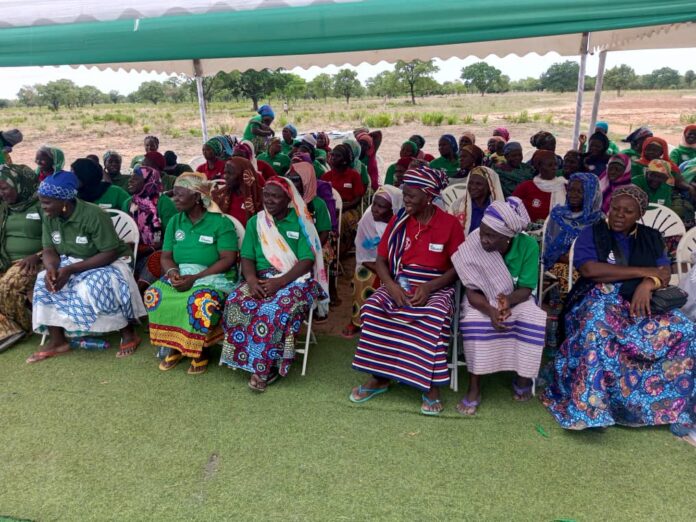
“These 25 boreholes could serve approximately 50 acres of irrigable land and will currently support at least five farmer groups per site, each made up of about 25 women. That means over 3,100 women farmers across 11 districts will directly benefit and we have lots of room to expand. Behind each number is a story—of a woman gaining independence, of a family achieving food security, and of a community building a stronger future,” she explained.
According to her, each facility is equipped with solar-powered pumps, water storage systems, and irrigation tools designed for efficiency and sustainability. But beyond the technology, what truly matters is what this enables: year-round farming, higher incomes, improved nutrition, and resilience in the face of climate challenges.
She said that the initiative is not just agricultural but transformational. It strengthens livelihoods, promotes environmental sustainability, and advances women’s economic empowerment. In regions where long dry seasons have historically limited productivity, these systems open the door to continuous cultivation and new economic possibilities.
H.E Myriam Montrat, the Canadian High Commissioner to Ghana stating the position of her government to assist in agriculture transformation in Ghana.
“Canada’s Africa Strategy is rooted in inclusion, resilience, and sustainability. Today, here in Moglaa, we see those values brought to life—in water flowing through pipes, in crops growing in fields, and in hope growing in communities”, she concluded.
Francis Essuman, the Country Project Manager, GROW2 Project shared the importance of the event been a ceremony that marks far more than the commissioning and handover of an irrigation site. It rather represents a shared commitment to inclusive economic growth, women’s entrepreneurship, and long-term resilience in Northern Ghana.
Through GROW2, he said they work closely with women smallholder farmers, women-led agribusinesses, entrepreneurs and market actors, as well as financial institutions and government partners.
The irrigation project in Moglaa alone serves 112 women farmers, enables year-round vegetable production, including during the dry season, and relies on renewable solar energy, reducing climate-related risks while supporting Ghana’s climate commitments. The system also contributes directly to the Feed Ghana Program which prioritize irrigation development, dry season farming, and local food production, he explained.
He urged the women smallholder farmers to grab the opportunities associated to the irrigation project as these serve as an opening opportunity for them to produce consistently, for families to thrive, and for communities to become more resilient to climate change.
He concluded that GROW2 and MEDA remain committed to working alongside the women smallholder farmers today, tomorrow, and beyond, to ensure that the impact of this investment endures well beyond the life of the project.
About Mennonite Economic Development Associates (MEDA) MEDA has been implementing effective market-driven programs globally since 1953. MEDA combines innovative financial and technical expertise to build and enhance sustainable agri-food systems that provide decent work for people living in poverty with a focus on systemically marginalized communities, including women and youth. Our core expertise lies in market systems, environmental sustainability and climate action, gender equality and social inclusion, inclusive financial services, and impact investment. MEDA partners with local private, public, and civil society actors, strengthening individuals, institutions, communities, and ecosystems, and thereby contributing to sustainable and inclusive systemic change
Minister of Food and Agriculture, Hon. Eric Opoku assuring the women smallholder farmers his commitment to ensure year-round farming.
Agriculture production tends to be very low during the dry season in the Northen sector of Ghana. In the semi-arid communities of Northern Ghana, access to reliable water for irrigation has been a critical constraint limiting agricultural production beyond the rainy season.
To ensure year-round production to sustain food security and improve farmers’ income during the drying season, the Minister of Food and Agriculture, Hon. Eric Opoku through a request made to the Government of Canada through the Global Affairs Canada has supported the flagship “Feed Ghana Programme” with twenty-five (25) solar-powered boreholes for dry season gardening across three regions; the Northern, Savannah, and Upper West Regions.
“The journey that brings us to this occasion, began with a vision of a Ghana where no farmer is left behind; where the harsh realities of dry season, no longer dictates the limits of agricultural production; and where women farmers, who form the backbone of food production, have access to the tools, technology, and water resources they need to thrive,” Hon. Eric Opoku, Minister for Food and Agriculture said during the commissioning.
He commended the Canadian High Commissioner, H.E. Myriam Montrat and the Government of Canada through the Global Affairs Canada for responding to his request during the courtesy call of the High Commissioner at his office about the 25 solar powered boreholes.
“Today, I am extremely pleased to report that all 25 boreholes have been completed, and are in full operation. This support is being delivered through the Greater Rural Opportunities for Women Phase 2 project (GROW 2 Project) implemented by the Mennonite Economic Development Associates, widely known as MEDA”, Minister appreciated Canadian Government.
According to the minister, during the dry season, farmers, especially women farmers are forced into months of inactivity after the harvest season, resulting in food insecurity, loss of income, and deepening poverty and this is the reality that these boreholes are designed to change.
Minister mentioned that the solar-powered borehole installed would provides clean, reliable, and renewable energy-driven water access for year-round vegetable production. He opined that beneficiary communities will now cultivate tomatoe, pepper, onion, leafy vegetables, and other high-value crops throughout the dry season, significantly boosting household food security and income.
He assured the farmers that government is fully committed to the Feed Ghana Programme, which represents the bold, comprehensive, and transformative approach to achieving food sovereignty and agricultural prosperity for all Ghanaians. The Feed Ghana Programme recognises that sustainable food production requires investment in infrastructure, and water infrastructure is foremost among those priorities.
He underscored the Ministry and the Department’s assistance through the field officers to continue to provide technical support, extension services, and monitoring to ensure that the installations deliver maximum benefit to the farmers.
“I wish to express our most sincere and heartfelt gratitude to the Government of Canada, through the Global Affairs Canada, and the Canadian High Commission of Ghana for this generous and impactful contribution. Canada has demonstrated, time and again, that it is a true friend and strategic partner in the development of the Agricultural sector in Ghana. The people of Moglaa and all the beneficiary communities will long remember this act of solidarity and friendship”. Minister acknowledged.
Fertiliser prices on the global market are expected to rise sharply in 2026, a development that could increase food production costs and heighten food inflation risks in Sub-Saharan Africa, including Ghana.
This is according to the April 2026 edition of the Commodity Markets Outlook released by the World Bank.
The report projects that global fertiliser prices will increase by about 30.7 percent in 2026, before easing in 2027 as supply conditions improve.
According to the World Bank, fertiliser markets remain highly sensitive to movements in global energy prices and geopolitical developments, particularly because natural gas is a key input in fertiliser production.
The expected rise in fertiliser prices could significantly increase production costs for farmers worldwide.
In many developing regions, especially Sub-Saharan Africa, higher fertiliser costs could reduce farmers’ ability to purchase adequate inputs, potentially affecting crop yields and food supply.
For countries such as Ghana, which depend largely on imported fertiliser to support agricultural production, the projected increase could place additional pressure on food prices and household spending.
The World Bank notes that although fertiliser prices are expected to decline in 2027, the near-term increase could still contribute to higher food inflation and food security concerns, particularly in low-income economies across Africa.
The Member of Parliament for Atebubu-Amantin, Sanja Nanja, has warned that the government could face serious political backlash if it fails to address the growing food glut crisis and persistent power outages affecting farmers and businesses across the country.
According to him, many farmers in Atebubu-Amantin, Kintampo North and South, parts of the Bono Region, and Afram Plains are struggling to sell their produce despite drastically reducing prices.
“The farmers are not demanding that maize should be sold at GHS1,200 or GHS1,300. Some are willing to sell at as low as GHS400, yet there are no buyers for their harvests. They are crying a lot, and you know the NDC’s support base is mainly in the rural communities,” he stated.
Speaking on the issue, Sanja Nanja said the worsening situation is discouraging many farmers from returning to their farms for the next planting season due to the heavy losses they continue to suffer.
He stressed that government must not ignore the frustrations of farmers, warning that rural communities form the backbone of the party’s support base.
According to him, President John Dramani Mahama initially approved GH₵200 million to support the exercise, but later increased it to GH₵300 million after recognising the severity of the crisis.
“He increased the amount to GH₵300 million, so where is the money going? Farmers must feel the impact of the funds the President directed to be used to buy their produce,” he said.
Sanja Nanja noted that distress calls from constituencies are worrying, adding that many people are going through difficult times while expecting solutions from the government now in office.
The food systems in Africa that survive the fertiliser crisis linked to the Iran war will be those that put in place nutrition-focused programmes and continue investing in innovations that reduce dependence on fertiliser.
Our report identifies ten high-impact interventions that improve nutrition and dietary outcomes. Several are particularly relevant right now:
Farmers should start growing fruit, vegetables and pulses, and farming with trees (agroforestry). This improves the health of the soil and produces nutrient-dense food.
Home gardens can improve diets and household food security, if people get training and nutrition education.
Sustainable aquaculture (fish) and livestock farming, including poultry, boosts production and protein consumption.
Bio-fortified crops, such as high-iron beans grown in Rwanda and vitamin A-rich, orange-fleshed sweet potatoes in Mozambique, build nutrition directly into the crop during production. Because they contain more nutrients, they don’t waste as much fertiliser.
Storage and distribution infrastructure reduces spoilage of food. It also improves the quality of food.
Foods can be fortified (have essential vitamins and minerals added) when they are being processed. These improve nutrition without requiring any changes in how food is grown.
Food and agricultural handling practices must be introduced to keep crops safe to eat.
Nutrition education helps people make better everyday food choices so that, when food is available, people eat more varied and nutritious diets.
Social protection programmes, such as cash transfers and food vouchers, help families during times when prices rise.
Providing school meals specially designed to be nutritious offers a high return on investment.
What needs to happen next
Our research emphasises that these interventions can only work as a bundle or package of support. Gender matters too; our research found that women don’t always get to eat nutrient dense food even when there is more available at home.
These interventions represent what we know works today. But governments and researchers should look beyond these too. For example, scientists at the Centre for Research on Programmable Plant Systems (including scientists at Cornell University) are engineering specialised plants known as “reporter” plants. A reporter plant is typically placed strategically in a field of crops to act as an early warning system.
They have developed a tomato plant, for example, that turns vivid red when soil nitrogen levels drop to critically low levels. This plant gives farmers precise, real-time information about what their fields need.
Tools like these could transform that relationship farmers have with fertiliser: reducing waste, cutting costs, and building a form of fertiliser intelligence into the farming system itself.