
top ad
Home Blog Page 12

400 women supported with fertilizers at Salaga South

The Member of Parliament for the Salaga South Constituency, Hon. Zuwera Mohammed Ibrahimiah, in partnership with the Sisters of JDM Foundation, has supported 400 vulnerable women in the constituency with the donation of fertilizers to enhance agricultural productivity and improve livelihoods.

Speaking to the media, Hon. Zuwera Mohammed Ibrahimiah said the initiative forms part of ongoing efforts to support vulnerable persons, particularly women, across the constituency.

She explained that during her engagements with women in various communities, many appealed for assistance with farming inputs, especially fertilizers, to support their farming activities.

In response to these requests, 400 bags of fertilizer were distributed to widows, single mothers, divorced women, and other vulnerable women selected from communities across the Salaga South Constituency.

The MP noted that the excitement and appreciation expressed by the beneficiaries underscored the significance of the intervention, which is expected to greatly improve their farming activities.

The beneficiaries are largely engaged in vegetable farming, including the cultivation of agushie, watermelon, and other crops.

Hon. Zuwera Mohammed Ibrahimiah emphasized that vegetable farming plays a critical role in ensuring household nutrition, particularly for children.

She stated that empowering women in agriculture not only enhances food security at the household level but also creates opportunities for income generation, as surplus produce is sold to support family needs.

The MP further revealed plans to strengthen collaboration with the Sisters of JDM Foundation and the Women Empowerment Foundation of the Salaga South Constituency to make the initiative a regular exercise.

She added that future interventions may go beyond fertilizer donations to include cash support, farming tools, clothing, boots, food items, and seed capital for small-scale trading activities.

Reaffirming her commitment to women’s empowerment, Hon. Zuwera Mohammed Ibrahimiah said empowering women leads to stable homes and improved living conditions for children.

“When women are empowered, the entire family benefits. Whatever support women receive is taken back home to ensure peace, stability, and comfort within the household,” she stated.

Ad article

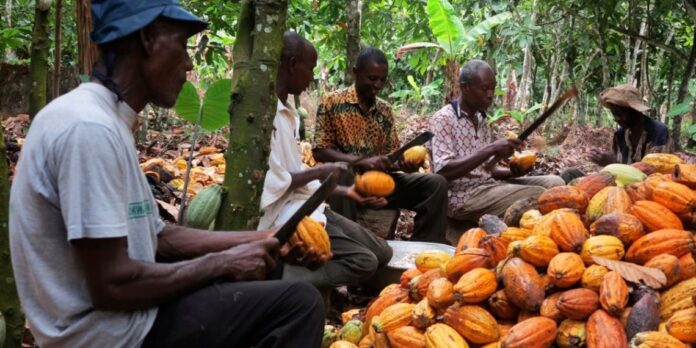
Ghana’s cocoa sector on extreme edge as buyers warn of imminent collapse

Ghana’s cocoa sector, long regarded as a pillar of the national economy, is facing a deepening crisis marked by funding shortfalls, weak sales strategies, policy inconsistencies, and political interference, the Licensed Cocoa Buyers Association of Ghana (LICOBAG) has warned.

At a press conference in Accra on Thursday, February 5, LICOBAG Executive Secretary Victus Dzah said the industry—particularly the post-harvest segment from the farm gate to the terminal stage—is in a fragile state and could collapse if urgent corrective measures are not taken.

“We invited you this morning for a conversation on current developments in the cocoa value chain, which, if not addressed seriously, will collapse the industry,” Mr Dzah said, explaining that the Association had repeatedly sought engagement with the Ghana Cocoa Board (COCOBOD) without success.

According to LICOBAG, the most critical challenges confronting the sector are funding constraints, a flawed sales strategy, a lack of commitment to structural reform, and excessive political interference.

On funding, Mr Dzah described a sector under severe financial strain since the 2023/2024 cocoa season, following COCOBOD’s failure to secure its traditional syndicated financing facility.

“Instead of the usual annual syndication of about US$1.3 billion or more, COCOBOD was only able to raise a paltry US$500 million, and that was secured six months after the opening of the season,” he said.

This shortfall, LICOBAG explained, forced Licensed Buying Companies (LBCs) to pre-finance cocoa purchases through commercial banks at extremely high interest rates, with the Ghana Reference Rate standing at 29.8 per cent at the time.

“COCOBOD made its first payment for cocoa delivered to port on 26 January 2024, six clear months after deliveries, while LBCs had already paid farmers in full,” Mr Dzah noted.

He said the delay plunged many buying companies into unsustainable debt, leading to the collapse of several firms—a situation that persists as promised compensation for high financing costs has not materialised.

The crisis worsened in the 2024/2025 season when COCOBOD was unable to raise any syndicated facility at all, prompting the introduction of the so-called 60/40 funding model. While the model eased short-term cash flow pressures, LICOBAG said it created new distortions.

“COCOBOD no longer controls funding to the industry because it has no funds of its own, effectively reducing it to a moderator in client–LBC partnerships,” Mr Dzah said.

He said the consequences included stranded LBCs without funding, a lack of off-takers for cocoa stocks, delayed payments for cocoa delivered to port, and increased smuggling due to inadequate financing.

The continuation of the funding model in the 2025/2026 season, revised to an 80/20 structure, has also failed to stabilise the market, with many clients halting purchases by November, the peak of the season.

Turning to sales strategy, LICOBAG blamed COCOBOD, the Cocoa Marketing Company (CMC), and traders for failing to align pricing and sales decisions with market realities.

“Why should we move from a period of roll-overs in one season because COCOBOD could not deliver on contracts, to a situation where we cannot buy cocoa produced by farmers because our pricing mechanism is not competitive enough?” Mr Dzah asked.

He argued that traders failed to sell aggressively when global prices were favourable, despite credible intelligence warning of an impending surplus and a fall in terminal market prices.

The fallout, he said, has been severe: cocoa delivered to port since December 2025 remains unpaid; stocks in upcountry warehouses have not been settled; and farmers are holding unsold cocoa, some stored in fertiliser bags with serious quality risks.

Mr Dzah further disclosed rising tensions at the grassroots, including reports of farmers arresting purchasing clerks for failing to pay for cocoa already bought.

Beyond operational challenges, LICOBAG accused successive governments of lacking genuine commitment to revamping the cocoa industry.

“Various governments took loans to revamp the industry, but these efforts were largely cosmetic, while the core structural problems remained,” Mr Dzah said.

He cited policy inconsistencies, the collapse of cocoa think-tanks with changes in government, and the misapplication of funds meant for industry reform, warning that without a paradigm shift, the cocoa sector risks being overtaken by illegal mining.

LICOBAG also decried what it described as excessive political interference at COCOBOD, saying the institution has gradually lost its professionalism and institutional memory.

“Since 2013, COCOBOD has become a dumping ground for political foot soldiers,” Mr Dzah said, adding that sweeping personnel changes with every change of government have eroded morale and service delivery.

To stem the decline, the Association proposed a series of reforms, including a review of the current funding model, the establishment of a limited seed fund to support LBCs, emergency financing to pay for an estimated 300,000 metric tonnes of cocoa, and the ring-fencing of funds meant strictly for cocoa purchases.

LICOBAG also called for an urgent determination of the farmgate price, improved sales oversight, enhanced professional capacity at CMC, divestment from non-core COCOBOD activities, stronger engagement with stakeholders, and the fast-tracking of a new pricing mechanism law.

Mr Dzah maintained that with decisive, non-partisan action, Ghana’s cocoa sector can still be rescued.

“If serious efforts are made beyond rhetoric and theatrics, the industry can be realigned and restored to its glorious days,” he said.

Ad article

We are paying LBCs to settle farmers – COCOBOD

The Ghana Cocoa Board (COCOBOD) says it has started making payments to Licenced Buying Companies (LBCs) to enable them pay cocoa farmers for their produce.

This comes after concerns were raised about cocoa farmers going unpaid for several months. Isaac Yaw Opoku, Ranking Member on Parliament’s Food, Agriculture and Cocoa Affairs Committee, speaking on behalf of the Minority in Parliament at a presser in Accra on Thursday February 5 warned that delays in payments to farmers were creating hardship and threatening the cocoa industry.

He noted that COCOBOD owes LBCs more than GH¢10 billion for cocoa already purchased, leaving the companies financially constrained.

Responding to this in an interview on Citi Eyewitness News, Jerome Kwaku Sam, Head of Corporate Communications at COCOBOD explained that delays in accessing syndicated funding forced the board to rely on international buyers to finance cocoa purchases.

These arrangements, he said, came with conditions that required the LBCs to pay for cocoa, with COCOBOD reimbursing them later.

“In fact, November we made over GHS6 billion, December we made over GHS5 billion, and even January we made GHS6 billion. This month alone we have paid over GHS620 million,” Mr. Sam further stated.

“…We are indeed paying monies to them (LBCs) for them to also pay the farmers whatever amount that is outstanding.”

He added that the board is working on a new financing model under the current administration to ensure that the sector is better funded and that delays like those experienced do not recur.

Mr. Sam stressed that the delayed payments were not the result of COCOBOD failing in its duties but were caused by a combination of funding challenges, changes in financing arrangements, and the need to develop a more sustainable system.

COCOBOD said it remains committed to ensuring that farmers receive their payments promptly and that the cocoa sector operates efficiently for all stakeholders.

Ad article

Agric Minister launches locally fabricated post-harvest equipment

The Minister for Food and Agriculture Eric Opoku has reaffirmed government’s commitment to building a resilient and efficient agricultural sector, as Ghana shifts focus from only increasing production to protecting what farmers harvest.

Speaking at the launch and handover of locally fabricated post-harvest equipment, the Minister said the event represents the kind of agricultural future Ghana has deliberately chosen to build one anchored in local innovation, value addition, and sustainability.

He noted that for far too long, Ghana has invested heavily in boosting agricultural production yet continues to lose a significant proportion of what farmers harvest due to poor post-harvest handling.

According to him, inadequate storage and processing services have robbed farmers of income, wasted effort, and weakened the country’s food systems.

As part of the programme, 2,231 youth artisans have been engaged to fabricate about 300 maize and soybean threshers. The Minister emphasized that the project is not only about numbers, but about building a skilled workforce that will continue to serve the agricultural sector long after the programme ends.

More than 3,000 farming families are expected to benefit from the initiative. The impact, he said, will be felt through reduced post-harvest losses, higher incomes, improved quality of produce, and stronger rural economies.

The Minister highlighted sustainability as a key feature of the programme, stressing that equipment without skills and technology without maintenance often fail. To address this, the initiative includes user training, technical support systems, and the involvement of trained agricultural and engineering graduates to ensure safety, reliability, and continuity.

He stated that the future of Ghana’s agriculture lies in efficiency, value addition, and dignity of work. It also depends on empowering women farmers, equipping young people with relevant skills, and ensuring that what the country grows is not lost, but leveraged for national development.

On the part of the Country Director of World Food Programme, she described the initiative as a practical Ghanaian solution to one of the most persistent challenges in agriculture post-harvest losses. He said WFP approaches food security holistically, from production and harvesting to processing, storage, and access to markets.

According to her, significant quantities of maize and soybeans are lost after harvest in Ghana, undermining farmers’ incomes, nutrition outcomes, and national food availability, while contributing to rising food prices.

It is being rolled out across seven technology solution centres, with 231 young Ghanaian artisans trained to fabricate 300 threshers—200 for maize and 100 for soybeans.

Beyond equipment delivery, the programme includes user training, maintenance services, and the deployment of agricultural engineering graduates to ensure safe operations and long-term sustainability. WFP says the initiative aligns with Ghana’s Feed Ghana programme and the country’s mechanisation agenda.

Ad article

US$35.7m HAPPY programme investment delivers strong gains in agribusiness

An investment of US$35.7million under Ghana’s Harnessing Agricultural Productivity and Prosperity for Youth (HAPPY) programme is yielding positive results, with significant job creation, higher output across key value chains and rising revenues, programme partners have said.

The youth-focused agricultural initiative, led by Agri-Impact Limited in partnership with the Mastercard Foundation, is designed to transform Ghana’s agriculture sector by creating opportunities for young people—particularly women and persons with disabilities—while boosting domestic production and reducing food imports.

Since its inception to December 2025, the programme has created more than 8,000 youth jobs and trained about 10,000 value-chain actors. It has supported the production of poultry valued at US$4.6million, delivering 7.5 thousand metric tonnes of broiler meat, and has generated revenues of US$25.2million.

HAPPY is a four-year (2023–2027) integrated, market-oriented and catalytic agricultural value-chain programme aimed at cutting Ghana’s average annual food import bill of about US$2billion. It seeks to unlock dignified and sustainable employment for youth, women-led enterprises and people with diverse abilities.

The programme focuses on four priority value chains—rice, soybean, tomato and poultry—targeting more than 400,000 beneficiaries. It aims to place about 326,000 young people into work, with women accounting for 70 percent, and to raise productivity by 28 percent in rice, 42 percent in soybean and 44 percent in tomato production.

These outcomes were highlighted at a Northern Regional stakeholder workshop on the Poultry Sector Master Plan, which brought together poultry stakeholders from the five northern regions.

The event was organised by the Ministry of Food and Agriculture (MoFA), through its Animal Production Directorate, in partnership with Agri-Impact Limited and the Mastercard Foundation’s HAPPY Programme, under the theme “Deepening Impact, Transitioning Youth into Dignified and Fulfilling Work”.

A consultant has been engaged to develop a Poultry Sector Master Plan for Ghana, drawing on nationwide stakeholder consultations. The plan is expected to provide a data-driven roadmap to reduce import dependence, strengthen competitiveness, create jobs for youth and women, and guide public and private investment across the value chain.

It will also validate baseline insights on poultry value-chain competitiveness, identify binding constraints, policy and infrastructure needs, and investment priorities, while capturing stakeholder inputs through focus group discussions and syndicate sessions to inform the final implementation roadmap.

Implementing partners include the Ministry of Food and Agriculture, Newage Agric Solutions Limited, Ghana Enterprises Agency, TechnoServe, the Millennium Development Authority, National Service Authority, Catholic Relief Services and Jobberman.

The Northern Regional Director of the Department of Agriculture, Hajia Hawa Mush, commended Agri-Impact Limited and the Mastercard Foundation for their continued commitment to making agriculture more attractive to young people.

“The poultry sector occupies a strategic position in Ghana’s food and nutrition security agenda as a critical source of affordable animal protein, a driver of rural livelihoods and a sector with immense job-creation potential,” she said.

She noted that the master plan would help address longstanding challenges in the sector and curb the importation of poultry products, adding that the Northern Region was well positioned to become a significant contributor to national poultry production with the right investments and partnerships.

The National President of the Ghana National Association of Poultry Farmers, George Dassah, called for effective and efficient policies free from political interference to ensure sustainable growth of the industry.

Deputy Director at MoFA’s Animal Production Directorate, Ricky Aboagye Poku, said the sector had long been bedevilled by challenges despite its potential, adding that effective implementation of the programme would help grow the industry and enable government to generate revenue for development.

Business Development and Research Manager at Agri-Impact Limited, Prince Manu Yeboah, said Ghana’s agricultural sector remained rich in untapped potential. He noted that the HAPPY Programme, aligned with national food security and industrialisation strategies, targets more than 46,000 graduates and complements other youth-focused initiatives in entrepreneurship, education and information and communication technology.

Ad article

20% Natural Juice’s Excise Duty threatens 127,000 Jobs, and farmer livelihoods – Chamber of Agribusiness Ghana

Today, the Chamber of Agribusiness Ghana (CAG) has released a comprehensive technical analysis revealing the 20% excise duty on natural fruit juices causing catastrophic damage to Ghana’s fruit processing industry, destroying up to 127,000 jobs across the agricultural value chain, and eliminating a potential USD 1 billion annual export opportunity.

The policy, intended as a public health measure, is instead penalizing nutritious products while protecting cheaper artificial beverages, contradicting both health objectives and Ghana’s economic development aspirations.

The excise duty, colloquially termed the “Ofori-Atta Killer Tax” by industry stakeholders, has forced juice processing factories to operate at just 30-45% capacity instead of the optimal 70-85%, creating a cascade of negative impacts on local farmers who depend on processors as reliable off-takers for their pineapples, oranges, coconuts, mangoes, and other fruits.

CATASTROPHIC IMPACT ON FARMERS AND RURAL LIVELIHOODS

“The 20% excise duty is not just a tax on juice processors; it is a direct attack on the livelihoods of 50,000 to 120,000 farming households across Ghana,” said Anthony Morrison, Chief Executive Officer of the Chamber of Agribusiness Ghana. “When processing factories reduce production due to suppressed demand, farmers face 15-30% price declines, watch 30-40% of their harvest rot in the fields, and lose the reliable markets that contract farming provides. Women farmers, who comprise 55-60% of fruit producers, are disproportionately affected.”

The analysis documents how juice processors serve as critical anchor buyers providing farmers with predictable pricing through contract agreements, quality flexibility that accepts cosmetically imperfect fruits unsuitable for fresh markets, aggregation services that reduce transport costs, and technical extension services that improve yields. When these markets disappear, rural communities in the Eastern, Volta, and Central Regions face increased poverty, youth migration to urban centers, and economic decline.

POLICY CONTRADICTS INTERNATIONAL BEST PRACTICES

The Chamber’s analysis examined beverage taxation policies in over 100 countries that have implemented sugar-sweetened beverage (SSB) taxes. International best practice consistently distinguishes between artificially sweetened beverages and 100% natural fruit juices based on nutritional content, absence of added sugars, agricultural development benefits, and value addition to domestic agriculture.

“Countries like the Philippines, South Africa, and Barbados explicitly exempt 100% natural fruit juices from their SSB taxes,” Morrison noted. “Even Barbados, a small island economy with limited agricultural capacity, exempts natural juices to protect regional agricultural trade. Ghana, with its vast fruit production potential, is doing the exact opposite—we are taxing our own agricultural value chain while protecting imported concentrates and artificial beverages.”

The Philippines’ TRAIN Law (2018) applies a two-tier tax on beverages with added sweeteners while explicitly exempting 100% natural fruit and vegetable juices. South Africa’s Health Promotion Levy (2018) exempts 100% fruit juice and bottled water while taxing carbonated SSBs. These policies have successfully reduced unhealthy beverage consumption while protecting agricultural processing sectors.

USD 1 BILLION EXPORT OPPORTUNITY DESTROYED

Global demand for natural and functional beverages is growing at 6-8% annually, particularly in Africa, the Middle East, Europe, and North America. Ghana is uniquely positioned to capture this market with potential annual exports valued at USD 700 million to USD 1 billion across product categories including:

  • Pineapple juice and not-from-concentrate products: USD 250-300 million
  • Citrus juice and concentrates: USD 200-250 million
  • Coconut water and blends: USD 150-200 million
  • Functional and fiber juices: USD 100-150 million

However, the 20% excise duty undermines export competitiveness by raising production costs that must be absorbed for price-competitive exports, discouraging long-term capital investments, signaling policy unpredictability to international buyers, and preventing Ghanaian processors from building brand reputation in premium markets.

IMPORT SUBSTITUTION OPPORTUNITY LOST

Ghana currently spends USD 350-450 million annually importing beverage concentrates, powdered drinks, and artificial sweetened beverages that could be produced locally. With supportive tax policies, the domestic natural juice industry could realistically achieve 30-40% import substitution within 3-5 years, retaining USD 120-180 million in foreign exchange annually.

“The excise duty creates a perverse situation where imported concentrates and artificial beverages face lower effective taxation than locally produced natural juices made from Ghanaian fruits,” Morrison explained. “This policy is actively undermining import substitution efforts and increasing unnecessary pressure on the cedi—directly contradicting our macroeconomic stabilization objectives.”

PUBLIC HEALTH PARADOX

While the excise duty was promoted as a public health intervention to reduce sugar consumption, the policy is producing the opposite effect. Higher prices for nutritious 100% natural fruit juices—which contain vitamins, dietary fiber, and antioxidants—are pushing consumers toward cheaper artificial beverages and powdered drinks with lower nutritional value.

“This is a public health paradox,” Morrison stated. “We are making healthy, nutritious products more expensive while inadvertently protecting unhealthy alternatives. Over time, this will contribute to rising rates of diabetes, hypertension, obesity, and micronutrient deficiencies. The long-term public health costs from these conditions will far exceed any short-term excise revenues collected.”

CONFLICT WITH 24-HOUR ECONOMY INITIATIVE

The Chamber’s analysis highlights a direct policy conflict between the excise duty and Ghana’s 24-Hour Economy initiative. Natural juice processing is inherently suited to multi-shift operations—continuous operations are standard practice globally, multiple shifts enable rapid processing of perishable fruits, higher throughput reduces per-unit costs, and night shifts create premium wage opportunities for workers.

However, the excise duty has suppressed demand to the point where factories cannot justify operating beyond single shifts. Current capacity utilization of 30-45% barely sustains daytime operations, directly contradicting the 24-Hour Economy vision of maximizing productive capacity through around-the-clock manufacturing.

CHAMBER’S POLICY RECOMMENDATIONS

The Chamber of Agribusiness Ghana is calling for immediate government action across three priority areas:

Immediate Actions (0-6 months):

  • Zero-rate or exempt 100% natural fruit juices from excise duty, including not-from-concentrate products, freshly pressed juices, and fiber-rich blends made from Ghanaian fruits without added sugars, sweeteners, or preservatives
  • Maintain or increase excise rates (25-30%) on genuinely unhealthy beverages with added sugars, high-fructose corn syrup, artificial sweeteners, and less than 25% fruit content
  • Establish a multi-stakeholder policy review committee comprising Ministry of Finance, Ministry of Food and Agriculture, Ghana Revenue Authority, juice processors, farmer associations, and public health experts to conduct quarterly reviews of policy impacts

Medium-Term Strategic Interventions (6-24 months):

  • Develop a comprehensive agro-processing investment incentive package including 5-year tax holidays for new processors, import duty waivers on specialized equipment, and working capital support through Ghana Exim Bank at 10-12% interest rates
  • Launch export market development support through GEPA including market intelligence, international certification assistance, and matching grants for export marketing
  • Strengthen farmer-processor linkages through contract farming arrangements, extension services, aggregation center investments, and youth/women empowerment programs

Long-Term Vision (2-5 years):

  • Scale Ghana’s export-oriented processing capacity from 2-3 facilities to 6-8 facilities capable of achieving USD 700 million to USD 1 billion in annual exports
  • Position Ghana as West Africa’s premium fruit processing hub under the African Continental Free Trade Area (AfCFTA)
  • Integrate natural juice processing as a flagship sector in the 24-Hour Economy initiative with fasttrack approvals, energy tariff incentives, and labor regulation flexibility

FISCAL IMPACT: NET GAIN FOR GOVERNMENT REVENUES

The Chamber’s analysis demonstrates that removing the excise duty on natural juices is not a revenue loss but a strategic investment with substantial fiscal returns. While zero-rating eliminates direct excise revenue estimated at GHS 80-120 million annually, the fiscal gains from increased economic activity significantly exceed this amount:

  • PAYE taxes from 60,000-120,000 additional jobs: GHS 200-400 million
  • Corporate taxes from expanded processor operations: GHS 100-180 million
  • Reduced NHIS costs from improved nutrition: GHS 50-100 million
  • Total net fiscal gain: GHS 270-560 million annually

“This is not about choosing between revenue and development,” Morrison emphasized. “The evidence clearly shows that removing this misguided tax will generate significantly more government revenue through employment taxes and corporate income taxes, while simultaneously protecting farmer livelihoods, creating jobs, and positioning Ghana for export success.”

CALL TO ACTION

The Chamber of Agribusiness Ghana is calling on the government, Parliament, and all stakeholders to recognize the urgent need for policy correction. The 20% excise duty on natural fruit juices is not merely a tax; it is a structural impediment to Ghana’s agricultural transformation that penalizes value addition, destroys rural livelihoods, and forecloses a billion-dollar export opportunity.

“The choice facing policymakers is straightforward: tax away a future industry, or unlock it for shared prosperity,” Morrison concluded. “We urge the government to align Ghana’s beverage taxation policy with international best practices immediately. Our farmers cannot wait. Our rural communities cannot wait. Ghana’s economic future cannot wait.”

The Chamber stands ready to work collaboratively with government, development partners, and all stakeholders to implement these reforms and unlock Ghana’s full potential as West Africa’s premier fruit processing hub under AfCFTA.

Ad article

ADB holds maiden inspire to impact conference

The Agricultural Development Bank PLC (ADB) has taken a decisive step in strengthening its leadership and performance culture with the successful hosting of its maiden Inspire to Impact (I2I) Conference, an engagement aimed at aligning mindset, leadership responsibility, and execution across the Bank.

The conference, held at Alisa Hotel on Saturday, 31st January 2026, brought together staff from across the organisation to engage experienced practitioners and thought leaders on themes of leadership, customer focus, people development and collective excellence, as ADB positions itself for exceptional performance and sustained growth.

Opening the conference, Edward Ato Sarpong, Managing Director of ADB, challenged staff to move beyond inspiration to measurable outcomes, stressing that leadership must ultimately be reflected in performance.

He cited the Bank’s recent turnaround from a loss position to profitability as clear evidence of what disciplined leadership, strategic focus, and accountability can achieve.

“We must now institutionalise these gains by embedding a culture of responsibility, customer-centricity and performance discipline at every level of the Bank,” the MD stated.

“The turnaround and performance of the Bank in 2025 did not just happen, but as a result of discipline, decisiveness, and our refusal to settle on a state of poor performance. This necessary course of action by leadership helped change the undesired state of the Bank to the destination of light and historical performance,” he added.

The MD challenged the conference participants and ADB staff as a whole to rise to the occasion by playing their respective roles well, and right for sustained growth of ADB.

Major highlights of the conference were presentations by speakers, Professor Robert Ebo Hinson, Dr. Abena Asomaning Antwi, Kenneth Kwamina Thompson, and the Bank’s General Manager for Retail Banking, Mr. Frank Okyere-Adarkwa.

Professor Robert Ebo Hinson spoke on Personal Leadership, Corporate Leadership and Collective Excellence. He urged participants to see leadership as a personal obligation, noting that strong institutions are built when individual discipline aligns with shared organisational values.

Chartered Accountant and business leader, Kenneth Kwamina Thompson delivered a thought-provoking session on Design Thinking for Growth, encouraging staff to consistently “walk in the shoes of the customer” when developing products, services and internal processes. He emphasised that sustainable growth depends on empathy, innovation and the ability to translate insight into execution.

Also addressing the conference was Dr. Abena Asomaning Antwi, Founder and Chief Executive Officer of the Angel Zoe Foundation, who spoke on values-driven and servant leadership. She urged participants to recognise the broader human and social impact of leadership decisions, stressing that institutional success must ultimately reflect positively on society.

In a session focused on internal leadership capacity building, General Manager for Retail Banking, Frank Okyere-Adarkwa, spoke on Leadership That Scales, highlighting the importance of deliberate people development, data-driven decision-making and consistency in building high-performing teams across the Bank.

Participants described the conference as timely and impactful, noting that discussions moved beyond theory to practical leadership lessons relevant to their day-to-day roles.

The Inspire to Impact Conference forms part of ADB’s broader transformation agenda, aimed at strengthening leadership effectiveness, improving customer & service experience, and deepening a culture of performance, in line with the Bank’s strategic vision of being among the top three (3) banks in Ghana, globally admired for our people, process and performance.

Ad article

TCDA assures global buyers of cashew quality for 2026 season

The Tree Crop Development Authority (TCDA) has assured the global cashew market of Ghana’s raw cashew nuts’ (RCN) quality for the 2026 trading season.

CEO-TCDA Dr. Andrews Okrah gave this assurance at the 12th World Cashew Conference in Dubai, declaring the 2025/2026  trading season open and inviting global buyers to patronise Ghana’s cashew while guaranteeing them quality.

The conference is a major global gathering of cashew traders, processors, investors and industry leaders.

Dr. Okrah debunked earlier claims suggesting Ghana’s cashew are of poor quality, stating that both quantity and quality for the season remain strong.

“The TCDA expects a strong outturn with high Kernel Outturn Ratio (KOR) this year, as has been the case over many years,” he stated.

The TCDA boss emphasised that the country operates a structured and traceable cashew supply chain, underpinned by a regulatory framework enforced by TCDA.

He urged exporters and buyers to transact only with registered and licenced actors, noting that this enables the Authority to intervene effectively and resolve any operational or contractual challenges.

TCDA has undertaken strategic reforms to streamline Ghana’s cashew industry, aimed at promoting sustainability, transparency and global competitiveness.

Key among these interventions is the extensive stakeholder engagement process that culminated in an official announcement and validation of the cashew price, which was undertaken jointly by stakeholders and value chain actors.

As part of efforts to reinforce regulation across the tree crops sector, particularly the cashew industry, TCDA recently commissioned its first cohort of Compliance and Enforcement Officers.

The officers have been mandated to work with security agencies and District Assemblies to enforce compliance, curb illegal trading practices, prevent smuggling and protect farmers and licenced operators.

Production and processing potentials

The country’s raw cashew nut production has been fluctuating in recent years, with production in the 2024 season hitting approximately 161,000 metric tonnes; a sharp drop from the 230,000 metric tonnes produced in the 2023 season.

However, data from TCDA indicate that the 2025 production season witnessed some 255,000 tonnes….providing sufficient raw materials.

The increase of production has enabled processors to set an ambitious target to increase processing capacities by up to 85,000 metric tonnes in 2026.

This initiative aims to boost local value addition, create jobs and increase farmer incomes. Key efforts include improved farming techniques and addressing raw material shortages to support this growth.

Ad article

Cocoa farmers threaten ‘demo’ over unpaid COCOBOD arrears

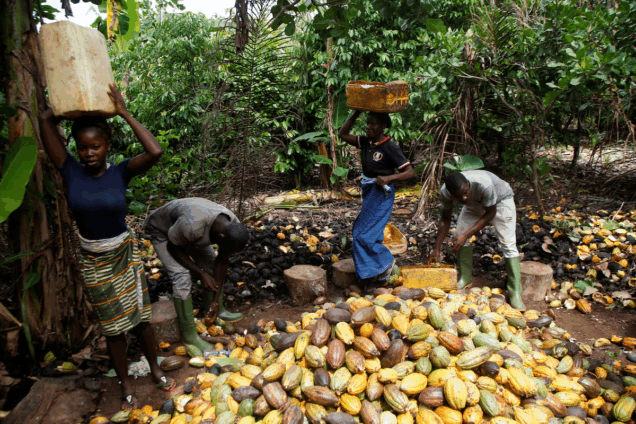
Cocoa farmers across the country are threatening a nationwide demonstration next week over unpaid monies owed by the Ghana Cocoa Board (COCOBOD) for cocoa beans supplied since November 2025.

The farmers say months of delayed payments have plunged them into severe financial hardship, affecting their ability to cater for basic needs, including healthcare and school fees.

Speaking to Citi News, President of the Mankrong Cocoa Cooperative Farmers Association, Francis Teinor, urged COCOBOD and government authorities to act swiftly to clear the arrears to avert disruptions in the cocoa sector.

“It is really affecting farmers, some are sick and want to seek medication, but they don’t have money to go to the hospital. Do you want them to die? School has reopened and parents want to pay fees.

“We cannot also keep the cocoa because farmers don’t have the storage facilities.

“As I speak, it’s been about six weeks, no money for cocoa farmers. This is seriously affecting the sector. If the COCOBOD CEO does not do anything about it, he should expect something ugly from next week. Farmers are not happy, if he is not careful, we will be on the streets next week,” he said.

Ad article

FDA to safeguard consumers by introducing new requirements for heavy metal tests for sachet and bottled water

The Food and Drugs Authority (FDA) has introduced new requirements for testing bottled and sachet drinking water for heavy metals as part of measures to safeguard consumers.

The FDA’s Deputy Chief Executive Officer in charge of Food Division, Mr Roderick Daddey-Adjei, said the authority has expanded its surveillance system to include checks for contaminants such as lead in sachet and bottled water sold in Ghana.

Speaking in a radio interview on Citi FM on Tuesday [February 3, 2026], Mr Daddey-Adjei said the decision followed growing public concern about environmental pollution and its effect on drinking water.

“What we have done is that, for potable water, we have added the requirement to also check for heavy metals,” he said

“For mineral water, heavy metal testing is already part of the standard. For ordinary potable water, where that requirement did not previously exist, it has now been added.”

Mr Daddey-Adjei said the change means all registered water producers, including sachet and bottled water manufacturers, will now go through additional laboratory testing and routine checks.

He said the decision was informed by recent national discussions on pollution and its health implications.

“The issue of heavy metals has become a serious concern. Based on recent developments in the country, we have stepped up the requirements,” he said.

Mr Daddey-Adjei said the Authority has also drawn on findings from work carried out with international and local partners.

“We have done some work with UNICEF, which showed that lead levels in some children are worrying. That points to how serious the matter is,” he said.

According to him, the FDA is also engaging other state institutions in monitoring water sources and clarifying responsibilities along the supply chain.

“There are ongoing discussions between the FDA and local government on water suppliers, where they source their water from, the condition of the tankers they use, and whether the water supplied is safe,” he said.

Mr Daddey-Adjei explained that while the FDA regulates manufactured water products such as sachet and bottled water, oversight of informal water vendors and tanker operators involves other agencies.

“At the moment, there is no full assurance that water fetched by some suppliers comes from safe sources. These issues are being discussed so clear rules and duties are set out,” he said.

He said the introduction of heavy metal testing is intended to give the public more confidence in the safety of drinking water.

“All registered water, whether bottled or sachet, is now being checked so harmful substances are not passed on to consumers,” Mr Daddey-Adjei said.

He urged the public to continue buying water from registered sources while monitoring and enforcement activities continue.

Ad article