The German chocolate manufacturer Ritter Sport is embroiled in a row with food law regulators after being told it cannot call its latest creation a chocolate bar because it contains no sugar.
The company, which has been producing chocolate at its factory near Stuttgart for more than 100 years, and has attracted something of a cult following over its frequent new ranges, has been told the new bar contravenes Germany’s strict cocoa regulations.
The so-called Kakao-Verordnung deems that anything labeled as chocolate must contain cocoa mass, cocoa powder, cocoa butter, and sugar.
But Ritter’s new bar, called Cacao y Nada (cocoa and nothing) is 100% cocoa, sourced from its own plantation in Nicaragua. It is sweetened with cocoa juice, which is naturally found in the pulp of the cocoa bean and increasingly recognised as a product in its own right because of a naturally sweet taste said to resemble that of lychees. It was first approved as a foodstuff by the EU almost a year ago.
The use of cocoa juice instead of sugar has led German food regulators to say that Cacao y Nada does not fit its definition of chocolate.
Confectioners who break the “cocoa rule” risk being fined and banned from selling their products.
Ritter Sport has been family-run since it was founded in 1912 and is famed for its 100g four-by-four square bars – the idea of its co-founder Clara Ritter, who wanted something that would comfortably fit into a sports jacket pocket.
It has accused German food regulators of being out of step with modern trends, not least the move away from sugar towards healthier alternatives.
“It is absurd that a chocolate, which is totally made out of cocoa and does not need any added sugar, cannot be called chocolate,” Andreas Ronken, Ritter Sport’s CEO, told German media. He pointed to the example of alternatives to meat in which vegetarian sausages and burgers are made out of other foodstuffs. “If sausages can be made out of peas, chocolate should not have to have sugar in it,” he said.
The company has provisionally agreed to bring out the new bar under the label Kakaofruchttafel or “cocoa-fruit bar”, but has said it will put pressure on the authorities to change its rules.
“Our food laws need to keep up with innovations like this,” Ronken said. “They must wake up – this is a new reality.”
Ritter Sport employs 1,650 workers and exports to more than 100 countries in the world but has suffered a significant dent in its turnover during the coronavirus pandemic mainly as a result of the loss of lucrative duty-free sales at airports.
Following the second call for proposals launched in June 2020 by Expertise France under ECOWAS in the framework of the GCCA+ West Africa project funded by the European Union, 11 new pilot projects for a total budget of €2.4 million have been selected in favour of more climate-resilient agriculture.
Dominated by family farming (the main source of income and subsistence for 70% of the population), West African agriculture is struggling to access resources to invest in sustainable production capacities and in the scaling up of proven technical solutions to address climate change.
Already facing structural challenges (progressive saturation of spaces, degradation of soil fertility, etc.), regional agriculture is confronted with the dual phenomenon of climate variability and climate change that affect agricultural performances, supply stability, increasing of occurrence of climate risks, and consequently income as well as food and nutritional security.
Supporting local innovative solutions with high potential for replication. The objective of the selected pilot projects is to finance the implementation and capitalization of local innovative solutions with high potential for replication and/or scaling up for the West African region focusing on adapting to the impacts of climate change (seed selection, climate services, agroecological practices, early warning systems) and mitigating of GHG emissions (carbon storage, dewatering by solar pumping, renewable energy in processing units, etc.).
The first call for proposals launched in 2019 resulted in the selection of four projects to be implemented over a 24-month period in Benin, Niger, Mauritania, and Chad.
The 11 new projects selected in December 2020 under the second call for proposals cover Cape Verde, The Gambia, Ghana, Guinea, Guinea-Bissau, Nigeria, and Sierra Leone.
Led by local associations, international NGOs, farmers’ organizations, and research institutes, these 11 projects will be implemented from the beginning of 2021 for a duration of 20 months.
By targeting important value chains for the region (rice, shea, palm oil, cassava) and by strengthening the productivity of family farmers (agroforestry, agroecology, access to climate information), these local projects will then be able to benefit all farmers in the region.
Global fisheries and aquaculture have been hard hit by the COVID-19 pandemic and could face further disruption in 2021 as lockdowns affect supply and demand across the sector, according to a report by the Food and Agriculture Organization of the United Nations (FAO).
The report, “The impact of COVID-19 on fisheries and aquaculture food systems, was featured during the 34th session of the Committee on Fisheries (COFI)” hosted by FAO.
Fish supply, consumption, and trade revenues for 2020 are all expected to have declined due to containment restrictions, the report noted, while global aquaculture production is expected to fall by some 1.3 percent, the first fall recorded by the sector in several years.
“The pandemic has caused widespread upheaval in fisheries and aquaculture as production has been disrupted, supply chains have been interrupted and consumer spending restricted by various lockdowns,” said FAO Deputy Director-General, Maria Helena Semedo.
“Containment measures have provoked far-reaching changes, many of which are likely to persist in the long term.”
While the food itself is not responsible for the transmission of COVID-19 to people, the report stressed every stage of the fisheries and aquaculture supply chain is susceptible to being disrupted or stopped by containment restrictions.
Aggregate prices for 2020, as measured by the Fish Price Index are down year-on-year for most traded species. Restaurant and hotel closures in many countries have also led to a fall in demand for fresh fish products.
“The impact has been significant in developing countries, especially those with large informal sectors, where small-scale and artisanal workers and communities depend on fisheries for their food security, livelihoods. They have borne the brunt of restrictions,” Semedo said.
The FAO report indicated that in aquaculture there is growing evidence that unsold production will result in increasing levels of live fish stocks, creating higher costs for feeding as well as a greater number of fish mortalities. Sectors with longer production cycles, such as salmon, cannot adjust rapidly to the demand shifts.
Global catches from wild fisheries are also expected to have declined slightly in 2020, as, overall, there has been a reduced fishing effort due to COVID‑19-related restrictions on fishing vessel crews and poor market conditions.
As a result of Covid-19, consumer preferences have shifted. While demand for fresh fish has waned, consumer demand for packaged and frozen products has grown as households look to stock up on non-perishable food.
Before the pandemic, the sector was on a general upwards trend. In 2018, global fisheries and aquaculture production (excluding aquatic plants) reached an all‑time record of nearly 179 million tonnes. Overall capture fisheries, with 96.4 million tonnes represented 54 percent of the total, while aquaculture, with 82.1 million tonnes, accounted for 46 percent. And over the last decades, fish consumption has grown significantly to an average of over 20 kilos per person.
FAO has called for disruptive border restriction measures on trade in food to be minimized for food security. The report called for sectoral and regional organizations to work together in order to manage fisheries and aquaculture during the pandemic, with measures that support job protection and ensure fast recovery of the sector without compromising sustainability.
The impact of COVID-19 on women, already vulnerable as food producers, processors, vendors, and carers, should also be considered with government support provided for women along the fish value chain.
Uncertainty continues to dominate the outlook for the fisheries and aquaculture sectors, particularly with regard to the duration and severity of the pandemic.
This year COFI 34 is celebrating the 25th Anniversary of the Code of Conduct for Responsible Fisheries, a landmark instrument endorsed by FAO member states that has been guiding efforts towards sustainable fisheries and aquaculture around the world.
With the uncertainty in the sector posed by the pandemic and other issues, the code’s principles have never been more vital to ensure the fisheries sector remains viable and sustainable.
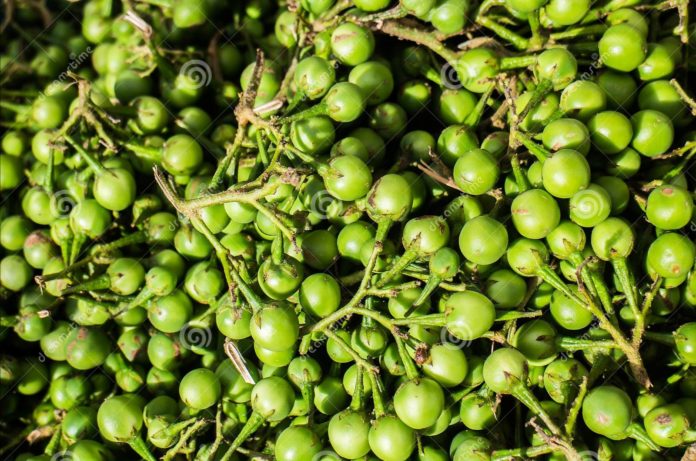
Traditionally, Turkey berries ∕ Kwahu Nsusua are used in households for meals, giving it a somewhat bitter taste. It is one of the most nutritious vegetables in the world and its healing properties are tremendous.
Kwahu Nsusua ∕ Turkey berries are found in numerous countries around the globe like Ghana, Nigeria, Brazil, Jamaica, South America, etc. Apart from that, the turkey berries have some amazing healing benefits that are highlighted below;
Protection from Cancer. Turkey Berries are antibacterial, anti-fungal, and help to stop excessive cell growth making them significant for cancer. Research shows that the extract of Turkey Berry can help to protect against lung cancer. So include turkey berry in your regular diet to remain safe from all life-threatening diseases.
Treatment of Diabetes. Diabetes is one of the lifelong conditions that cause a person’s blood sugar level to become too high. Including dried powdered leaves of the Turkey Berry plant to cooked berries help to control diabetes. They are used to lower blood sugar. Therefore regular use of the turkey berry certainly helps to lower the diabetes level.
Treatment of Indigestion and diarrhea. Regular consumption of turkey Berry is considered good for digestion and helps to treat indigestion, stomachaches, diarrhea as well as other digestion related problems. These berries are capable of neutralizing acid in the stomach making them significant for healing gastric ulcers.
Prevention of cardiovascular diseases and strokes. Turkey berries consist of saponins, flavonoids, torvosides, alkaloids, glycosides, tannins, cholorogenome, etc. which are actually powerful antioxidants that help to prevent cardiovascular disease, strokes, and cancer. The dried berries made into a powder helps to lower blood pressure and prevent heart attacks. So including fresh or dried turkey berry is extremely beneficial for dealing with cardiovascular diseases and stroke problems.
Prevention of Pains, redness, and gout. The berries help to flush out uric acid therefore helping to prevent or reduce pain, redness, and symptoms of gout. Apart from that turkey Berry Leaf consists of powerful anti-inflammatory agents and natural steroids called soasoline which is great for arthritis, lower back pain and swelling, and pain in general. Turkey Berries are very important for health since inflammation is the first step towards all diseases.
Prevention and healing of Colds and flu. Apart from its health-promoting benefits, turkey berries also help in preventing and healing colds and flu. Use the berries to prepare soup and consume frequently to overcome cold and flu symptoms.
Treatment of Phlegm and mucus. Including turkey berries in your regular diet help to get rid of phlegm and mucus. Dry the berries and make them into powder, this will dry up the mucus, helps with asthma, coughing, lung inflammation, etc.
Prevention and treatment of Kidney disease. According to Dr. Haider, research shows that the berries can also help to prevent and treat kidney disease and even reverse tubular necrosis and glomerular congestion, thus making it important for treating kidney disease.
Regulate menstruation. Frequent consumption of turkey Berries help to regulate menstruation and so help with regular menstrual periods. So anyone with menstrual problems can include turkey berry in their regular diet to solve all the associated problems.
Treatment of Anaemia. Turkey berries contain lots of iron which is extremely beneficial for treating anaemia. They encourage the production of red blood cells. Apart from that berries can also be used in soups and consumed on a regular basis to increase red blood cell production.
Prevents intestinal worms. Regular intakes of the berries help to prevent the development of worms within the intestine. Dried and powdered berries can also be added to gravies and eaten for better results.
The President of the Republic of Ghana, Nana Addo Dankwa Akuffo-Addo on 31st January 2021 addressed the nation on measures to curtail the spread of the covid-19 pandemic.
In his 23rd update on the pandemic and the measures adopted to curb the spread of the virus, the President of the Republic banned some of the social gatherings including weddings, funerals, conferences, night clubs, etc. as part of ensuring covid-19 safety protocols in the country.
“Restaurants should provide take away services, and should, as much as possible, avoid seated services”, he said.
Against this safety protocol measure on restaurants, Agric Today paid a visit to some of the restaurant operators at Accra to ascertain their response to the President’s directive.
The restaurant operators expressed their dissatisfaction with the safety protocols measures by the President. According to them, last year, the lockdown collapsed their business and all their workers were sacked. “Covid-19 has really affected my business, last year, I had to lay off all my workers and thinking I could revamp my business this year, here is another restriction”, an operator decried.
“We are very much aware and conforming to the Covid-19 protocols. Mr. President should have advised us to observe the social distancing, hand washing, and other protocols strictly as said to both the churches and Ghana Football Association rather than banning people from coming to sit here to eat”, another operator at East Legon added.
The operators mentioned that people do not patronize their business as they used to do because they are scared of the pandemic and now that the President has issued a banned on social gathering including their service, then they are left with nothing than to close their business.
They urged the government to do something about the restriction to at least allow them to operate as others have been given the opportunity.
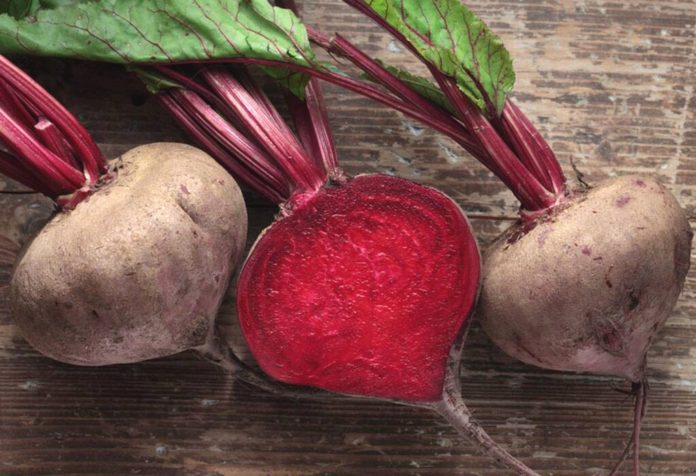
Beetroot is touted as one of the healthiest veggies. It is the taproot portion of the beet plant. It is one of the many varieties of the genus Beta vulgaris, all of which are mostly grown for their edible taproots and leaves. Apart from being used as food, beetroot is also used as a medicinal plant and a food colorant.
Right from the Middle Ages, beetroot has been used not only as food but also as a treatment for numerous conditions. It is popularly known as beet and is called Chukandar in Hindi, Remolachas in Spanish, and Hong cai tou in Chinese. Beets have been used for a long time as a treatment for anemia in Indian households.
Health Benefits of Beetroot are; May Delay Signs Of Premature Aging Beet greens contain vitamin A and carotenoids that can benefit you from inside out. They also contain a decent amount of lutein, another potent antioxidant. These fight free radicals and can play a role in human skin photoprotection. However, there is no direct research on beets delaying the signs of aging.
According to a Chinese study, sugar beet molasses has excellent antioxidant properties. The phenolic contents of sugar beet molasses demonstrate anti-aging properties.
Can Improve Skin Health If you are wondering what are beetroot benefits for the skin, here’s your answer. Beetroot ingestion has been found to prevent skin cancer. Also, beets contain vitamin A that maintains healthy mucous membranes, and improves skin health. Vitamin A also supports the daily replacement of skin cells.
Some believe that beetroot may also help purify the blood. This may promote skin health, though more research is warranted.
Beets are also good sources of vitamin C. Studies show that skin fibroblasts need vitamin C to synthesize collagen. Vitamin C also protects the skin from the harmful effects of UV radiation. Adequate vitamin C levels also minimize the formation of raised scars.
Can Be Beneficial During Pregnancy A study focused on the possibility of beets being beneficial for pregnant women, especially because of their nitrate content. However, more research is required. Beets are also rich in folic acid, which is a very good reason for pregnant mothers to include them in their diet. Folic acid helps prevent neural tube defects in the baby.
May Lower Blood Pressure In a study conducted at the Queen Mary University of London, beetroot juice was found to lower blood pressure in a matter of four weeks. As per experts, this is because of the presence of nitrates, which the body converts into nitric oxide. In the process, the blood vessels expand.
Also, consuming beetroot juice regularly can prolong these good effects. Consuming as much as 250 ml of beet juice a day can have better blood pressure lowering effects than plain water with nitrates. It is also believed that the juice might have better effects than most antihypertensive drugs, although information is insufficient in this regard. Do talk to your doctor before you use the juice for blood pressure treatment.
Can Be Good For the Heart The nitrates in beets lower blood pressure. They may reduce the risk of heart disease and strokes. As per a study, just one week of regular beetroot juice dosing can improve endurance and blood pressure in older individuals at risk of heart failure.
Another American study has stated that the ingestion of beet juice prevents myocardial infarction (obstruction of blood supply to a tissue in the heart).
In rat studies, beetroot was found to improve the delivery of oxygen to the working skeletal muscles. When the working skeletal muscles don’t get enough oxygen, they are impaired and decrease one’s capacity to move one arm or legs. This results in decreased physical activity, ultimately leading to heart disease.
May Aid Cancer Prevention Beetroot extract may have the potential to prevent cancers of the breast and prostate. This can be attributed to the presence of betanin (a form of betalain) in beetroot. More studies are needed to substantiate this benefit of beetroot.
In another study conducted at the Howard University of Washington, beetroot ingestion was found to prevent lung and skin cancers.
Beetroot juice, when taken along with carrot extract, was found to aid in the treatment of leukemia. Numerous studies have supported the anticancer and chemopreventive properties of beets. In another French study, betanin was found to decrease cancer cell proliferation significantly.
Can Promote Liver Health The presence of calcium, betaine, B vitamins, iron, and antioxidants keeps beets among the best liver foods.
Beets contain pectin, a fiber that is known to help eliminate toxins. It can clear the toxins that have been removed from the liver, making sure they don’t re-enter the body. The liver also contains zinc and copper, both of which can protect the liver cells from oxidative stress. As per a Polish study, beetroot can also protect the liver from oxidative damage. Some believe that beets may also thin the bile, allowing it to easily flow through the liver and small intestine, which may enhance liver health. Research is limited in this aspect.
May Help Fight Inflammation As per an Iranian study, beetroot, especially in the juice form, was effective in treating inflammation. Another Egyptian study found that beetroot extract could treat inflammation in the kidneys.
The folate, fiber, and betalains could be responsible for beetroot’s anti-inflammatory properties.
May Promote Brain Health Beets are known to improve brain neuroplasticity by improving the oxygenation of the somatomotor cortex – the brain area that is usually affected in the early stages of dementia.
When older hypertensive adults were given a beet juice supplement (in addition to exercise), their brain connectivity began to resemble that of younger adults.
The nitrates in beets are converted into nitric oxide within our bodies. This nitric oxide allows the brain cells to communicate with each other, thereby enhancing brain health. Nitrates also improve blood flow to the brain.
Beetroot juice has also been found to prevent Alzheimer’s. As per certain studies, those who drank beetroot juice had healthier brains and improved cognitive functioning.
According to another UK study, dietary nitrate can improve cerebral blood flow, thereby enhancing brain functioning.
May Control Blood Sugar Levels This has more to do with sugar beets. According to an Iceland study, the fiber from sugar beets can reduce hyperglycemia. As per a UK study, the consumption of beetroot juice was found to suppress postprandial (after a meal) glycemia.
Aid Digestion What are the benefits of eating beets regularly? Well, regular consumption of beet or beet products has been found to improve digestion and blood quality. Some anecdotal evidence suggests that white beets can also open the obstructions of the liver and spleen, but research is limited. Red beets may be useful in treating illnesses related to the digestive system and blood.
In fact, red beets have a prominent place in history when it comes to abdominal health. It is believed that Romans used beets to treat constipation and other related ailments.
As they are rich in fiber, beets may help treat diverticulitis. It was found that populations ingesting high amounts of fiber had lower incidences of diverticulitis Fiber also aids bowel movement and enhances the overall health of the digestive system.
May Reduce Bad Cholesterol Levels In an animal study, rats fed with beet extracts saw a decrease in the total cholesterol levels and an increase in good cholesterol. Though more research is required in this aspect, the study authors believe that the phytonutrients in beets can have these beneficial properties. Beetroot is also one of those few foods that are low in calories and contain zero cholesterol (1).
May Help Treat Anemia We know the deficiency of iron causes anemia. It has been found that beets are rich in iron, and the absorption of iron is better from beetroot than a few other vegetables. Beetroot also has better iron content than beet greens. The folate in beets may also help in anemia treatment.
May Improve Sexual Health It is believed that beetroot has been used as an aphrodisiac since Roman times. Beets contain good amounts of boron. Boron is directly linked to the production of sex hormones. Beets are also relaxing. The betaine in beets relaxes your mind, and tryptophan contributes to happiness – both of which can help you get in the mood. According to a Saudi Arabian study, beetroot juice can also help treat sexual weakness.
Can Help Prevent Cataracts Beets (especially beet greens) are rich in beta-carotene that may help reduce the risk of cataracts. They also help prevent age-related macular degeneration.
Increases the Levels of Antioxidants This can be attributed to the presence of polyphenols and betalains – compounds in beetroot that offer it its antioxidant properties. As per a study, the betalain pigment in beets has potent anti-inflammatory properties. These properties help treat oxidative stress and improve cognition. The antioxidants that are abundant in beets (and their greens) may improve the body’s antioxidant status.
May Help Prevent Osteoporosis We have already seen that the nitrates in beets get converted into nitric oxide in the body. A Japanese study states that nitric oxide can help prevent certain lifestyle-related diseases, including osteoporosis.
Another reason beetroot is good for treating osteoporosis is the presence of silica. The mineral is required by the body to utilize calcium efficiently. Having a glass of beetroot juice every day can keep osteoporosis and other related ailments (like a brittle bone disease) at bay.
Watermelons are predominantly grown in areas like Kulungungu, Binduri, Pwalugu, Bawku, and Langbinsi.
The Upper East Region has been hit by an unusual hike in the prices of watermelons.
Watermelons are predominantly grown in areas like Kulungungu, Binduri, Pwalugu, Bawku, and Langbinsi. The fruit which is annually cultivated in these areas in a bumper harvest witnessed a rather poor harvest this year.
Two kinds of watermelons are sold in the Upper East Region. The Burkina Faso grown watermelons, and the locally grown ones. The locally grown watermelons have purely green skin, while the Burkina Faso grown ones have green skin with dark green stripes. They have a more reddish flesh and a sweeter taste than the local ones. Demand for the locally-produced ones is higher because they are relatively cheaper.
Ghanaweb’s Upper East Regional Correspondent, Sarah Dubure, engaged with a farmer in Pwalugu, Mr. Abraham Adakablah, and he attributed the development to a mass infestation of watermelon farms by an insect called, the whitefly. He noted that it wasn’t the first time the farms were infested by the whiteflies.
Mr. Adakablah explained that in previous seasons, they saw the insects on their farms for a duration of about two weeks, but this year, they terrorized their farms for more than two months.
He added that they did not get a recommended pesticide for the whiteflies, hence the devastating effect.
The farmer further said that most of his colleagues decided to venture into the cultivation of other crops because there was no ready market for watermelons.
They, therefore, thought it wise to venture into crops that are economically vibrant.
A fruit seller, Madam Akua Asamolga, lamented over low patronage. She said she bought a basin of the locally grown watermelon at GHC300 last year, but bought the same quantity at GHC500 this year.
Madam Akua said she sold a small-sized watermelon at GHC2 last year, but had to sell the same size for GHC5 this year.
Adding that she sold a big sized one for GHC10 last year, and had to sell one of the same sizes at GHC15 to GHC20.
She described the situation as disturbing because anytime people ask about the prices of the watermelons, those who bought them outnumbered those who walked away.
“If they are coming to buy, they will ask, and more (customers) will go but small will buy. So it let the market just come down “, she said.
With regard to Burkina Faso grown watermelons, Madam Akua complained the case was not any different because she bought a basin of them at a cost of GHC800.
She said a medium-sized one went for GHC20, which made the situation worse.
“The wagaa (Burkina Faso) own like this, the market is not good because they are too expensive. If they come and you give the price, they will go”, she said.
Traders are hopeful of an increase in sales to prevent the rotting away of the fruits; which will subsequently lead to them (traders) running at loss.
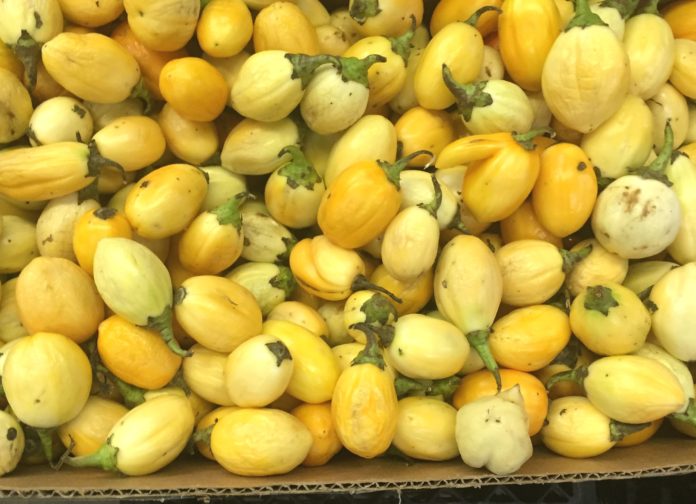
Garden Egg is a good source of dietary fiber, as well as other minerals and vitamins such as vitamin B1, potassium, folate, manganese, magnesium, copper, Vitamin B6, niacin, and other various secrete nutrients which helps in the development of human.
These are the amazing health benefits of Garden Eggs: Promotes Weight Loss Eating eggplant especially the greenish type is beneficial in weight reduction because they contain low carbohydrates and calories essential for weight management. Overweight individuals who want to lose weight or those who wish to retain their normal body weight can add eggplant to their diet as well.
Rich in Antioxidants Anthocyanins, nasunin, and flavonoids are important and powerful phytonutrients and antioxidants in eggplants that help to protect the body system and add many health-promoting benefits to the human body.
Anthocyanins are responsible for the deep purple color of eggplants and also helps in preventing the development of cancer as well as other diseases that result in bacteria. Anthocyanins found in eggplants possess antioxidant properties that are responsible for protecting the whole body system.
Rich in Vitamin B Garden egg is a natural source of vitamin B’s such as thiamin, niacin, B6, and pantothenic acid that helps the body in the proper use of fat and protein; and also contributes to the nervous system positively.
Vitamin B plays a vital role in promoting good health and well-being. It helps in brain development and also helps in making sure that the immune and nervous system works properly. Regular consumption of eggplants provides you with enough vitamin B needed by the body.
Promotes Healthy Bone They contain a good amount of potent minerals such as folate, manganese, vitamin K, magnesium, vitamin C, and copper that help in bone strengthening and general bone health.
Consuming eggplant regularly is highly beneficial in preventing the risk of bone degradation and osteoporosis. Garden egg also contains some amount of iron and calcium aids in reducing the chance of osteoporosis, thereby keeping your bones strong and healthy.
Helps in Digestion Garden eggs are fibrous fruits that help in proper food digestion and control of bowel movement. Due to this fiber content in the fruit, they reduce constipation and improve digestion.
Garden eggs are believed to be one of the greatest sources of dietary fiber which is an essential element in any balanced diet. Fibre aids greatly in gastrointestinal health and proper movement of bowels. Consuming eggplants will contribute a lot to digestion and consistent movement of bowels.
Good for Pregnant Women These fruits are packed with minerals, vitamins, and other nutritional properties that play a key role during pregnancy. The properties in garden eggs help both pregnant women and unborn children for healthy situational conditions. Garden eggs are also rich in folic acid which is beneficial to pregnant women. Folic acid protects infants from neural tube defects that do occur. Garden eggs are rich sources of folic acid, which makes them excellent food and useful dietary addition during pregnancy.
Prevents Anemia Garden egg has been found to serve as a natural medicine for treating several health conditions such as bronchitis, colic (pain in the abdomen caused by obstruction of the intestine); stress relief, headache, and others, if consumed daily.
Garden egg is a rich source of iron, which helps increase the red blood cell in the body, thereby aids in fighting against anemia or deficiency in iron.
Garden eggs are also rich in copper, another important component of red blood cells. Consuming garden eggs helps in making the red blood cells flow adequately through your veins, thereby causing a boost in strength and energy.
Prevents Diabetes Garden eggs which are a source of soluble fiber and carbohydrates can help in the control and prevention of diabetes. Foods that are rich in fiber and carbohydrates help in the regulation of blood sugar levels and glucose absorption. It is an excellent food for people suffering from diabetes, as it will go a long way in the reduction and prevention of type 2 diabetes.
Maintains Blood Pressure Levels Garden eggs contain a high amount of calcium, magnesium, potassium, and phosphorus. These minerals contained in it helps in maintaining electrolyte balance in our body.
It aids in neutralizing sodium effects in the body, thereby controlling blood pressure levels. An antioxidant in garden eggs known as chlorogenic acid also helps in reducing cholesterol levels in the body. Therefore regular consumption of garden eggs helps in maintaining good blood pressure and cholesterol levels.
Prevents heart diseases Garden eggs are rich in vitamin B1 and B6 (thiamin and niacin). These vitamins are essential in the body for the proper functioning of the heart and cellular respiration. It’s rich in potassium also helps in blood pressure regulation. Vitamin B1 deficiency leads to cardiovascular problems. Therefore foods rich in vitamin B1 play a vital role in ensuring a healthy nervous system and improve the proper functioning of the cardiovascular. Vitamin B6 helps in maintaining a healthy nervous system. Consuming garden eggs can greatly help in preventing heart disorders.
Debisi Araba, managing director, African Green Revolution Forum (AGRF), speaks on the lessons of 2020 as it relates to smallholder farmers and how these lessons can be applied going into 2021, how Nigeria can address the impediments to access to finance for these farmers, the roles government can play in creating an enabling environment for smallholders, among many other key issues.
The year 2020 presented a myriad of challenges for many businesses across the entire agricultural value chain in Nigeria and the rest of the world, leaving behind long-lasting and far-reaching consequences for the whole industry. Smallholder farmers were among the hardest-hit within that value chain. What are some of the biggest lessons learned from 2020 as it relates to that subset of the value chain?
I believe that we are still unpacking the impact of these multi-faceted shocks on agriculture and food systems. Personally, the most revealing lessons from last year came from a report published by Michigan State University (MSU), where they examined the drivers of government policy decisions. They concluded that some of these decisions had a net negative impact on the sector because they were made based on five preconceived myths which I paraphrase here:
(i) Nigeria needs imports to be food secure – The reality is that imports make up less than 10 percent of food consumed.
(ii) Rural areas dominate the food economy and rural households purchase little food – The reality is that urban areas dominate the food economy and rural areas purchase more than 77 percent of the food they consume. Subsistence agriculture is not prevalent.
(iii) Small farmers are still using traditional technologies and are poorly connected to markets – The reality is that a lot more farmers now use improved inputs and supply most of the food consumed across the continent.
(iv) SMEs in food supply chains are stuck in a stagnant, underdeveloped “missing middle” between subsistence and commercial-scale – The reality is that there are a growing and vibrant logistics and supply chain sector that gets stronger by the year.
(v) Wholesale and retail markets and logistics services are not critical to food security – The reality is that producers depend heavily on logistics and supply chain service providers both to receive inputs and to distribute their products. We witnessed last year how a ban on movement between states in the early phase of the pandemic caused significant disruptions to production and supply systems, leading to spikes in the price of food.
This study reinforces our call for the government to base decisions on clear evidence. Most of Nigeria’s agri-food sector is informal in critical hubs, so we must invest in the data systems which can help us make better, more robust decisions.
We may not be able to predict what the next major shock will be but investing in data systems will enable us to respond better.
How can we apply these lessons in 2021 and what should the key priorities be for the private sector and for the policymakers?
The priority for this year and beyond should be to improve resilience. The transformation of the agri-food sector should be public sector-enabled and private sector-led. As I have already explained why we need to invest in data systems, and to have these systems inform public policy, I would also like to make a case for governments at all levels to develop multi-sectoral partnership systems in the agri-food sector. There are multiple dimensions to the process of producing, processing, transporting, and consuming food. This food system requires the collaboration of the public, private, research, and civil society sectors.
Later this year, in September, the UN will host a Food Systems Summit where the world will gather to affirm contributions to ensure that we can deliver food systems that are safe, equitable, environmentally sustainable, improve human health, and are resilient to shocks and stresses. To this end, I would suggest that non-aligned multi-sectoral platforms such as the Nigeria Economic Summit Group be used to chart, monitor, and assess progress towards prosperity. We will need the active participation and investment of all sectors for us to maximise the immense dividend potential in the agri-food sector.
Formal financial services industry players in Nigeria often shy away from providing access to finance for smallholders because of the risks and costs involved. Drawing from other countries in Africa like Kenya and South Africa who have recorded much success in this regard, how can we address the impediments to access to finance for these farmers?
To be fair to the Nigerian financial services sector, there is quite a lot going on here. Since you cannot examine agriculture finance in isolation from the wider economy, it is important to understand that on the supply side, entrepreneurs are working to design affordable, risk-adjusted products within an economy that has high inflation. We have witnessed over the last few years the rise of fintech solutions to address issues such as micro-lending, improving savings, extending financial services to millions of people who were previously not in the formal banking ecosystem. Nigeria is a global hub for technology startups, and we are beginning to see leapfrogging and market-creating innovations emerge to meet the needs of an untapped and unserved market.
As I mentioned earlier, transformation requires the public sector to create an enabling environment for the private sector to lead. It would be better if the government focused on macro-economic stability, withdrew from market-distorting interventions, allowing the private sector to compete and allocate resources to areas that stimulate growth. Hopefully, this improves the productivity and critical competitiveness we need to see across the wider agri-food sector. There are no easy answers, but it is clear that we need to be more entrepreneurial in the public and private sector approaches increasing affordability and access to financial services.
Nigeria currently lacks a centralised smallholder database as well as a cohesive national identity structure compounding the access to finance challenges. Earlier last February, the director-general of the National Identity Management Commission (NIMC) expressed intentions to harmonise the country’s national digital identity data management system. While a necessary first step, will this be sufficient to improve access for smallholders? What innovations, policies, and partnerships need to be in place to ensure that smallholders can benefit from being identified?
Creating a harmonised digital database for the entire country could stimulate the creation and growth of a multitude of innovative products and services. Specifically, for financial services, this could help create unique digital identifiers, a record of transactions and credit history, and additional secondary information which would help improve the profiling of customers, leading to the design of targeted financial services. I would urge the government to see this as a critical national task and accelerate the process for completion this year. We also need to strengthen our data protection frameworks and laws, to protect sensitive personal information and avoid abuse.
Between 2010 and 2012, the Nigerian government began to build a database of smallholder farmers. However, this was truncated between 2015 and 2016 due to problems in the public sector and inadequate advocacy from the private sector. How should the Federal Government approach the development of a harmonised database to ensure it is completed and implemented successfully?
Nigeria has a track record of pioneering a digital database and a digital payment system for SMEs in the agriculture sector. This level of entrepreneurship thinking and action in the public sector needs to be maintained to ensure that we deploy our creativity to design products and services that meet the needs of smallholders and other entrepreneurs in the agri-food sector. We are not reinventing the wheel. I believe that we have the expertise and leadership to deliver this database in a way that serves the country.
What roles should the federal and state governments play in creating an enabling environment for smallholders as well as to drive incentives and innovations?
Agriculture is a business. To be a successful player in this business at any scale, one needs to be highly competitive and productive. Governments should support entrepreneurs to eliminate barriers to competitiveness and higher productivity and invest in enablers. One way is by investing in public infrastructure like roads, power, ICT services which improve productivity and perhaps also refrain from directly engaging in service sectors in competition with the private sector. Governments should invest in industrialising the agri-food sector as a stimulus for growth.
Looking back at 2020, what would you say are the most important lessons from Nigeria and across Africa that must be taken into consideration as we move into 2021?
We need to imbibe the spirit of Ubuntu – I am because we are. On January 1 this year, trading began under the African Continental Free Trade Area (AfCFTA). The AfCFTA is one of the largest free trade areas in the world since the establishment of the World Trade Organisation (WTO), covering a market of more than 1.2 billion people and up to US$3 trillion in combined GDP. The agreement also creates the opportunity to increase intra-African trade by more than 50 percent, adding an estimated US$76 billion in income to the rest of the world.
For Nigeria and other African economies to maximise the opportunities in the $8 trillion global agri-food sector, we will have to improve both how we collaborate and trade in unique and ubiquitous goods and compete on stronger terms with the rest of the world. I am convinced that with the right leadership across economic sectors, Africa will feed herself and can feed the world. This is our vision at the AGRF, where I have the privilege of leading the world’s largest, most diverse, and inclusive platform for fostering the necessary pan-African collaboration and partnership needed to transform the agri-food sector for shared prosperity for millions. The AGRF supports governments, the private sector at all scales, civil society academia, and research institutions to collaborate and spur each other on to achieve mutually beneficial economic goals.
What innovations and policies need to be implemented and scaled by the public sector to encourage the success and scaling of private sector-led innovations and ensure that smallholders are able to withstand the shocks presented by the recession?
Let us begin with implementing the ones we already developed. In 2014, Nigeria launched its National Agriculture Resilience Framework (NARF), as a roadmap to guide public and private sector investments and build resilience to shocks and stresses. Adopting the NARF could help align multiple stakeholders under a shared vision and afford everyone the room to iterate and innovate based on evidence. We need to be more kind to public policy stakeholders and afford them room to try new ideas and let go of those that do not show promise. Culture is eclectic. We should imbibe a culture that seeks, from around the world, ideas that may improve our productivity, competitiveness, and resilience and take whatever we find useful.
Finally, I would encourage governments to eschew the soft bigotry of low expectations and take on the bold and ambitious challenge of ending hunger, achieving food security and improved nutrition, and promoting sustainable agriculture. In the words of the late Nelson Mandela, “It always seems impossible until it is done.”
A study by a team of Ghanaian economists has identified Agro-processing and Tourism as sectors that could potentially address Ghana’s unemployment and enhance the competitiveness and productivity of small and medium-sized firms.
The study, which is titled, “Industries Without Smokestacks (IWOSS) in Africa-Ghana Country Case Study”, was done in collaboration with the Brookings Institution and disseminated by the Institute of Statistical, Social and Economic Research (ISSER) of the University of Ghana.
In an opening remark before the presentation on Wednesday in Accra, the Director of ISSER and Chairman for the occasion, Professor Peter Quartey, said the study was important and timely because, if followed, could resolve the high unemployment rate in Ghana.
Prof. Quartey indicated that tertiary institutions in Ghana were producing thousands of graduates and, most of whom were unable to secure jobs, becoming ready tools for criminal activities, and that was threatening.
He, therefore, insisted that industrialization was key to resolving the unemployment situation in the country, lamenting that many once-vibrant industries in Ghana had been converted into warehouses and places for church activities.
Giving the background to the research, the Secretary-General of the African Research Universities Alliance (ARUA), Professor Ernest Aryeetey, said the research was driven by the need to create employment without following the path pursued by other industrialized nations.
In that regard, Prof. Aryeetey said it would be appropriate to go for industrial activities that did not only promote employment but also promoted environmentally sound practices.
“Could we find African activities that behaved like manufacturing which would provide jobs and decent living? We, therefore, set out to find out the activities that will do the trick,” he hinted.
In a presentation, Dr. Mrs. Priscilla Twumasi Baffour explained that “Industries Without Smokestacks’ are emerging sectors that share similar characteristics as manufacturing, and are beginning to play a role similar to manufacturing in some developing countries.”
Dr. Mrs. Baffour indicated that IWOSS was an industry that was tradable, demonstrated the capacity for technological change and productivity growth, and showed some evidence of the scale and or the cost benefits and efficiency of having a cluster of companies, services, and industries in one location.
She informed that the research identified Agro-industry and Tourism as areas that could be exploited in order to achieve the intended increase in employment as well as safeguard the environment.
Dr. Mrs. Baffour said the Agro-processing Industry was dominated by many micro-enterprises involved in value-addition along the agricultural value-chain in the areas of horticultural products, vegetables, roots and tubers, and palm oil mainly for the domestic market.
“Ghana has several natural and cultural heritage (historical forts and castles), national parks, a beautiful coastline, unique arts, cultural traditions as well as lifestyles that can be a source of attraction to the international community,” she said in reference to the Tourism sector.
She indicated that the prospects of both sectors in Ghana as IWOSS were high with the two sectors found to have high employment generation potential and high demand for low to moderate skills, a feature that was consistent with the characteristics of the Ghanaian labour market.
“Attention is however required to address the existing skill gap, especially in terms of systems, technical and problem-solving skills,” she informed.
Dr. Mrs. Baffour observed that although technologies used by Agro-processing and Tourism sectors in the country were mostly labour-intensive, “some complementary digitalization will be required to enhance their relevance to the changing nature of work globally.”
The team of Economists which authored the report comprised Professor Ernest Aryeetey of Africa Research Universities Alliance (ARUA); Dr. Priscilla Twumasi Baffour and Dr. Ebo Turkson, both of the Department of Economics, University of Ghana.