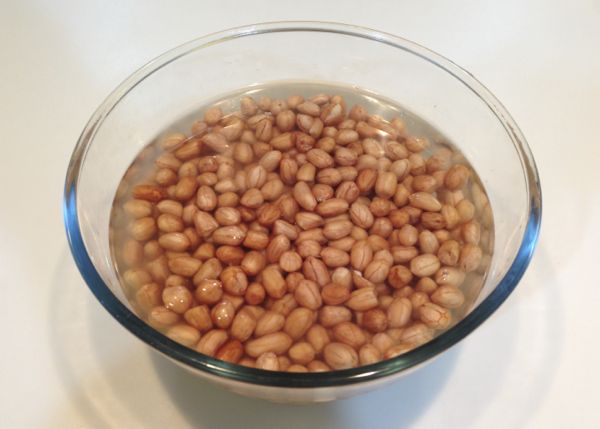
Groundnut water is obtained by steaming/ boiling or soaking groundnut in water for 15 – 30 minutes. Groundnut is also known as Peanut which is rich in monounsaturated fats, the type of fat that is emphasized in the heart-healthy Mediterranean diet.
Groundnut water has great health benefits which are derived from nutrient-dense groundnut. The health benefits of groundnut water include:
May Aid Blood Sugar Control Groundnut water may HELP stabilize your blood sugar levels. Groundnut has a GI (glycemic index) score of 14. While the GI of groundnut is 14 (on a 100-point scale), their GL (glycemic load, which tells what a particular food will do to your sugar levels) is just 1. That is why the American Diabetes Association names groundnut as a diabetes superfood. The fiber in groundnut also helps lower blood sugar levels. They also contain magnesium and other healthy oils that play a role in this aspect.
It promotes heart health Groundnut water may help protect against coronary heart disease (CHD). A study conducted by the Harvard School of Public Health found that groundnut may lower bad cholesterol (LDL) levels. Bad cholesterol leads to plaque development in the blood vessels, and groundnut may prevent this. A study conducted on rats also stated that polyphenol-rich peanut skin extract may reduce the inflammation that causes heart disease.
It prevents gallstones Consumption of groundnut water is linked to a lower risk of gallstones. A study conducted by the Harvard Medical School and Brigham and Women’s Hospital (Boston) found that consumption of groundnut may lower the risk of gallstones. Men consuming five or more units of nuts (including groundnut) a week are at a lower risk of gallstone disease. Women consuming five or more units of nuts a week are at a reduced risk of cholecystectomy (removal of the gallbladder). However, long-term studies are required to understand this benefit of groundnut.
It aids your weight loss efforts Groundnut water is very high in calories, but they contribute to weight loss instead of weight gain. Groundnut is an energy-dense food. That is why having them as a snack, drink or shake may make you consume fewer calories later in the day. Groundnut elicited stronger feelings of fullness when consumed as a snack than with a meal. This may eventually help with weight loss. Some studies suggested that higher nut consumption was not associated with greater body weight gain and may aid weight control. Including groundnut in your diet is one way to enhance nutrient intake without causing weight gain. Research also shows that the consumption of groundnut and peanut butter can increase feelings of fullness. These could satisfy individuals better than carbohydrate-filled snacks in equal quantities
It reduces cancer risk High intake of groundnut (including other nuts) has been associated with a reduced risk of colorectal cancer. The is flavones, resveratrol, and phenolic acid found in groundnut have anticancer properties which may help reduce the risk of cancer. A study conducted in The Netherlands found that peanut intake is also associated with a reduced risk of postmenopausal breast cancer. Groundnut was also found to prevent gastric and esophageal cancers among older American adults. When comparisons were made, individuals who did not consume any nuts or peanut butter were at the highest risk of developing these cancers.
It treats erectile dysfunction Groundnut water is rich in arginine, which is an essential amino acid. Arginine has been studied extensively as a possible treatment for erectile dysfunction. More research is required to understand if arginine alone can help with the treatment of erectile dysfunction.
It relieves symptoms of polycystic ovarian syndrome (PCOS) Although, there is little research in this regard. Anecdotal evidence suggests that groundnut may help treat PCOS as they contain monounsaturated fats. Some research states that a diet high in these fats could help improve the metabolic profile of women with PCOS.
It has antioxidative properties Groundnut is rich in numerous plant compounds and antioxidants. Most of these compounds are available in the skin of groundnut, which should be eaten raw to get all of its benefits. Some of the plant compounds that are readily available in groundnut include resveratrol, coumaric acid, and phytosterols that help impair the absorption of cholesterol, isoflavones, and phytic acid found in plant seeds.
It helps protect against Alzheimer’s disease Foods that are rich in niacin – like groundnut water – may protect against Alzheimer’s disease and age-related cognitive decline. Groundnut is an excellent source of niacin and vitamin E, both of which have been shown to protect against Alzheimer’s disease. A study conducted on 4000 people aged 65 years and older found that niacin from food slows down the rate of cognitive decline.
Agriculture is a major employability contributing to about 33 percent of the total working force in Ghana. In tackling food security and unemployment intricacies, seeds are the critical element to deal with in the agricultural sector.
As a means of solving this issue, the department of horticulture at the Faculty of Agriculture, KNUST has organized a maiden edition of SEED SECTOR FORUM with the theme; Taking Advantage of Advances, Entrepreneurship and Business Opportunities in the Modern Seed Sector at the NBC-ground floor, KNUST.
West Africa’s contribution in the seed sector to African agriculture especially Ghana is marginal, but there is still room for improvement. The improvement would come from the youth, therefore it is a challenge to those in the seed science and agribusiness in general, to take advantage of the opportunities available in the seed sector. The Chairman for the forum, Prof. Enoch A. Osekre the Dean of Faculty of Agriculture, KNUST made this statement during the forum.
“You do not need to be a breeder to be in the seed industry, in the demonstration, there are some companies who are just providing services like packaging, marketing, so we need to take this challenge but it should not be a case whereby when we graduate we complain there are no jobs”, Prof. Osekre admonished the students.
According to Prof. Osekre, Africa has the opportunity to show the world that it can produce everything and it begins with the youth. He believes the youth have been equipped with all the skills and the knowledge needed to transform the sector.
In addition, the Regional Agriculture Director in the Ashanti Region, Rev. John Manu said the government is much concerned about the youth thus the programme, Youth In Agriculture.
The government has put some mechanisms in place for the youth who want to venture into agriculture. Under the Planting for Food and Jobs programme he said, there is a scheme called the Out-grower Scheme that gives preferential treatment to the cluster of youth in terms of inputs subsidies for production.
The Ghana Youth Authority in collaboration with the Ministry of Agriculture is instituting a programme to support the youth in the agriculture sector.
Furthermore, the passing of the Plant Breeders Bills has given Ghanaian scientists or the breeders the protection of their intellectual work in breeding more variety of seeds to the agriculture sector. “As far as the Plant Breeders Bill is passed all the focus should be channeled to support our scientists so that we can make good use of the resources that we have”, Rev. John Manu reiterated.
The seed industry in Eastern and Southern Africa is more developed compared to West Africa and crop yields especially maize are relatively low in West and Central Africa, the West African Director of Seed Co, Dr. Takemore Chagomoka complained.
As agriculture is the backbone of most economies in sub-Saharan Africa he said, the seed is an important catalyst for the development of agriculture.
In Seed Co’s contribution to the development of students in agriculture, Seed Co in partnership with Agrihouse Foundation is rolling out a programme called AG-STUD Africa Bootcamp which aims at training agriculture graduates in Ghana by building the students’ capacity on good agricultural practices.
“Seed Co is poised in working with both the government and the stakeholders in the agriculture value chain to develop the youth interest in the agriculture sector”, Dr. Chagomoka said.
“Students and the youth are the future of agriculture so the forum was organized to target the students to develop their interest and making them realized that there are business opportunities and job creation opportunities they can take advantage of in the seed sector and agriculture sector in general”, Dr. Eli Gaveh, Senior Lecturer at the Department of Horticulture, KNUST said.
In his presentation, Dr. Gaveh said there are many opportunities in the seed sector for the students. Giving instances to some of the opportunities in the seed sector Dr. said companies like De Bolster, Incotec, and Enza Zaden breed seeds, integrate seeds, and coat seeds.
De Bolster is a Dutch company that specializes in breeding organic seeds and it aims at moving organic agriculture forward by offering the best organic varieties whilst Incotec, seed enhancing company creates and delivers sustainable added value to seeds to support the increasing need for healthy food and to make the contribution to the welfare of the world, and lastly, Enza Zaden is an international seed breeding company that develops innovative vegetable variety seeds for professional grower and focus on continuity in the long term and healthy growth.
He underscored the need for the government and the policymakers to see the seed sector as a key driver of agriculture and focus on developing the germplasm by developing the Greta Seed, foundation seeds, and the certified seeds.
“We have to graft strong policy implementation, we have a lot of policies but the implementation of the policies is limited. Although the government is doing a lot with the Planting for Food and Jobs policies, there are a lot of opportunities the government can explore to make agriculture more relevant, and significant to economic growth and development and to make the country self-sufficient in food production”, Dr. Gaveh highlighted.
Speaking to some of the students at the forum, Leonora, a level 300 student told Agric Today that the forum has given her more insight into the horticulture sector.
“I have noticed there is more to agriculture than farming. Today’s forum has been insightful knowing I could be a seed breeder, seed coating technologist and among others”, she gladly said.
She thanked the organizers for the programme and requested similar programmes to be organized for the final year students to equip and inform their decisions in the agricultural space.
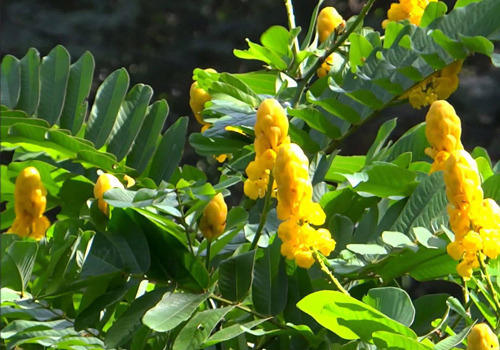
Senna Alata | Cassia Alata is a very important medicinal plant with amazing medicinal uses and health benefits. Traditionally, it has been used for treating insect bites, ringworm, wounds, as a laxative, hypertension, skin diseases, decoction of the leaves are used for cough and to get rid of intestinal worms.
The benefits of the Cassia Alata are: It has anti-fungal properties and anti-microbial. Both ethanol extract and water extract got by boiling the cassia alata leaves in water has amazing anti-fungal properties and anti-microbial properties making them very effective for treating skin diseases. It is very effective against ringworm as it has anti dermatophyte properties which are the main causes of ringworm. It is also particularly effective against Cadidia Albicans, Microsporum Canis, and Trichyophyton Mentagraphytes. You can read the study that proves it here.
It has anti-inflammatory & antioxidant properties Cassia alata has wonderful anti-inflammatory and antioxidant properties. Applying a poultice of the leaves on the affected area helps bring down the inflammation effectively. In fact, cassia alata showed the most anti-inflammatory properties against four other herb extracts it was tested along with, you can read the study here.
It has antipyretic properties Cassia Alata has wonderful fever-reducing properties and the water extract can be used for reducing high body temperature. The water extract can also be used for treating malaria fever as it has anti-malarial properties too.
It has anthelmintic properties Generally, all cassia plants have the ability to expel worms and especially cassia alata is very powerful. The water extract of cassia alata leaf can be taken for expelling worms and has been traditionally used for it for many years.
It provides anti-diabetic properties Cassia alata has blood sugar lowering properties and this action is believed to be because it inhibits carbohydrate digestion. Slowing carbohydrate digestion leads to the slow release of sugar thus it greatly helps diabetic patients.
It contains anti-tumor properties An isolate extracted from cassia alata has wonderful anti-tumor properties and has been proven to be very effective against colon canceroma, bladder carcinoma, and colorectal carcinoma. The extract isolated from cassia alata is named f61 and amazingly it does not cause any harm to non-cancerous cells. You can read about it here.
It contains ovicidal and larvicidal properties Cassia alata has both ovicidal and larvidal properties and is used for getting rid of nematodes of sheep and goats. The water extract can be used safely for getting rid of parasites.
Cassia Alata serves as a laxative Cassia leaf extract got by boiling the leaves in water has been traditionally used for treating constipation. This traditional use has been backed by research
Fish sellers in Accra Central Business District are mournful that, news of “fish mortality” will ‘destroy’ their market.
This followed the discovery of large numbers of different species of fish washed ashore along the coasts of Osu in Accra, Axim-Bewire in the Nzema Municipality of the Western Region, and Keta in the Volta Region, over the weekend.
The Ministry of Fisheries and Aquaculture, the Food and Drug Authority, the Environmental Protection Agency, and other sector agencies are investigating the cause of the “fish mortality” and cautioned against its consumption, sale, and presence in the Ghanaian food chain.
In an interaction with some traders in Accra, Ms. Lydia Botwe, a fish seller, said the incident could have a repercussion on their business because people would hesitate to purchase smoked sliced fishes if they are not sure of the sources.
A 45-year-old fishmonger said until the investigations are over, their business would slow further down after COVID-19 had thrown it almost out of gear.
Mrs. Abigail Shia, another fish seller, said anytime such reports come out, the fish industry suffered heavily, though they would not sell fishes they are not sure of.
“I am scared because I do not know whether fishes were poisoned or not and I wouldn’t want to put the lives of my customers at risk. Since I was born, I have never seen anything like this before, this is very strange.
“Fishes, especially the big ones are been eschewed in the market for some days now. So even if we get some soon, people will be scared to buy them because they might suspect that they could be from the washed ashore source,” she lamented.
Meanwhile, some consumers said they are staying away from large fishes that are sliced and smoked on the market for a period.
Mr. Kofi Ansah, a dealer in mobile phone accessories, said his religion does not allow him to consume dead fish, however, he believes there is nothing wrong with the fishes and that they might have been killed with the torches thrown at them by fishermen.
Mrs. Margaret Afia, a middle-aged woman, said she would only use dried fish when it comes to her notice that such fishes are off the market.
“We all know that every fish we consume is harvested by our fishermen, so how can we consume fishes that no one knows what killed them,” she said.
For Mrs. Faustina Amoabeng, she sees nothing wrong with consuming fishes washed ashore.
“When you go to buy fish, you don’t wait to see the fish alive and in motion before you buy it. Sometimes we purchase fishes that have been in the fridge for months without knowing how they died. Are they all not dead fishes?
“Maybe it is God who has seen the hardships we are going through as a country and has decided to bless us with the fishes for food,” she said.
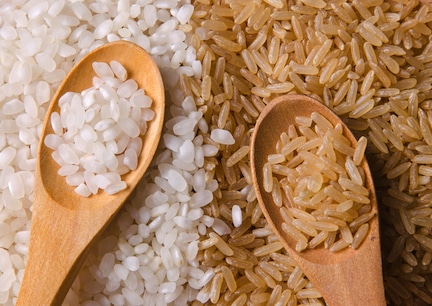
Brown rice is a whole grain that’s often considered a healthy food. Unlike white rice, which only contains the starchy endosperm, brown rice retains the nutrient-rich germ and bran layers of the grain. The only part removed is the hard outer hull.
Yet, while it’s higher in several nutrients than white rice, brown rice remains rich in carbs.
Health Benefits of Brown Rice Brown rice may not appeal to your taste buds, especially if you have been used to white rice. However, the impressive list of its health benefits may just convince you to make slow and steady changes in your diet and strengthen your resolve to get healthier.
It helps in diabetes management Brown rice can be beneficial for diabetics and hyperglycemic individuals. It has a low glycemic index, which helps reduce insulin surges and assists in the stabilization of blood sugar levels in the body. A comparative study published in the International Journal of Food Sciences and Nutrition revealed that it is rich in phytic acid, fiber, and essential polyphenols. It is a complex carbohydrate that helps in the slower release of sugar as compared to white rice.
It aids digestion Brown rice is a helpful staple that can be easily added to the daily diet to optimize the digestive system. The fiber present in it helps regulate bowel movements and keeps you feeling full. A study investigating the effects of brown and white rice during digestion found evidence that the bran layer on the former slowed emptying, thus bulking stool. Fiber content also brings relief from other conditions such as constipation and colitis.
It provides antioxidants According to a 2018 study, the more a grain undergoes milling processes, the more it tends to lose beneficial phytocompounds. Owing to this, the rice is bound to have more phytochemicals that exhibit antioxidant activity, especially when compared to white rice or other heavily processed grains. The grain is also rich in flavonoids such as flavones and tricin, amongst others, which adds to its antioxidant activity. Antioxidants reduce stress, help get rid of toxins and keep some health conditions at bay.
It helps reduce obesity Brown rice is one food shown to be instrumental in weight control for many people combating obesity. A study conducted in this regard revealed that whole grains such as brown and black rice, have positive effects on the body concerning a reduction in body mass index and fat. They also enhance the activity of glutathione peroxidase, an antioxidant enzyme linked with elevating the levels of HDL (good) cholesterol in obese individuals. Another comparative animal research study also suggests the anti-obesity effects of the germinated variety.
It has neuroprotective effects High cholesterol diets have been known to add to the risk of neurodegenerative disorders and impair cognitive performance. This rice can help cut down on cholesterol by replacing it with healthier nutrients such as fiber. A 2016 study concluded that germinated brown rice could offer neuroprotective action, thus protecting the brain from oxidative stress. This makes it especially beneficial for someone who is at risk of diseases such as Parkinson’s or Alzheimer’s.
It improves maternal health Sprouted brown rice may be beneficial for the mental health of lactating mothers. Brown rice consumption showed positive results in nursing women concerning a reduction in mood disturbances, stages of depression, and fatigue, according to an investigative study in the European Journal of Nutrition. It has also suggested that the consumption of this rice during lactation enhances the body’s ability to resist stress and improves the overall immune defense.
It boosts heart health The benefits of whole grains over processed food for heart health are not unknown to many. This rice is a step further in maintaining the natural state of the grain. Germinated brown rice is a source of magnesium and proanthocyanidin, which can help reduce cardiovascular complications and also decrease the risk of heart attack and stroke. A Nurses’ Health Study published in The American Journal of Clinical Nutrition also suggests that overall increased intake of whole grains may have a protective effect against coronary heart diseases.
It controls cholesterol levels This rice has no cholesterol content. It works well as a replacement for any cholesterol-rich options you are looking to cut back on in your diet. An investigative study performed on rats revealed that it possesses hypocholesterolemic qualities, thus regulating cholesterol catabolism. It also contains beneficial nutrients that help in lipid and glucose metabolism. More research is needed, but initial findings are promising regarding brown rice’s role in lowering cholesterol.
It has antidepressant properties According to one animal study, germinated brown rice may contain anti-depressant qualities that help combat anxiety-related disorders. An investigative study suggested that it contains essential amino acids such as glutamine, glycerin, and GABA. These inhibitory neurotransmitters facilitate a reduction in the allowance of messages associated with anxiety, depression, and stress in the brain, resulting in a relaxed state of well-being. Overall, an easy and healthy diet tends to have a positive effect on your mental health.
It helps to sleep better While melatonin is already present in your body, if you have trouble getting a good night’s sleep, you can use melatonin-rich foods such as brown rice to fulfill any deficit. A study notes that ‘all fractions of germinated rice are a rich source of melatonin and rice bran fraction is a good source of serotonin revealing the potential use of each milling fraction of rice grain.
It maintains bone health Brown rice is helpful for the maintenance of healthy bones, as it is rich in magnesium which, along with calcium, provides the bones their physical structure. Magnesium-rich, it may help mitigate bone demineralization and is beneficial for medical conditions such as arthritis and osteoporosis
The Greater Accra Poultry Farmers Association (GHAPFA) has attributed the recent increase in egg prices to the high-cost feed used by the poultry farmers.
The president of the association, Mr. Michael Nyarko-Ampem stated that, the raw materials used in preparing the feed have surged by over 100 percent.
“There was a major problem with the prices of the raw materials especially maize and soybean. Maize for instance went up by 100% and then wheat and soybean all went up” he said.
He explained that the feed producers had no option but to also increase the feed price.
“Subsequently, the feed mills increased the prices and so when that happened, then the farmers who are the end-users of the feed mills will also increase the prices of the eggs” he stated.
Mr. Nyarko-Ampem made this assertion in an interview with the B&FT after a workshop organized by the association for its members.
Explaining further, he said a 50kg bag of maize was sold at GHS65.00 in 2020 but the same is going for GHS110.00 this year.
He stated that other raw materials like wheat also saw an increase from GHS130.00 to GHS190 for a 50kg bag within the same period under review.
This, he said negatively impacted egg production hence the cost was passed on to the consumer.
Though there is maize available, Mr. Nyarko-Ampem reiterated that the prices still remain a challenge.
A crate of egg is now sold for GHS25.00 and GHS27.00 depending on the size, but was previously sold for GHS18.00.
He then urged authorities to subsidize the prices of the raw materials to help them increase production.
“For us, we feel if some of these things are not curtailed and we collapse, then the industry also collapses because prices will just escalate” he stated.
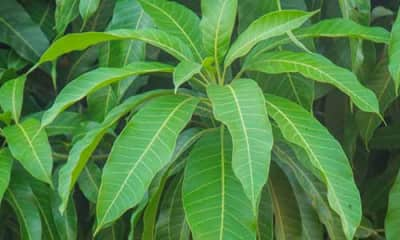
Mango, the king of fruits, is quite popular throughout the world. Not only the taste and variety it comes with, but the health benefits of mango leaves are also well known. But why only the fruit? Surprisingly, the mango leaves (aam ke patte) are also equally important for your health
The fresh mango leaves are surely edible. The tender mango leaves are often used for cooking a number of dishes and eaten too. They provide health benefits in a number of ways, yet they can be allergic to some people, particularly, to those who are allergic to mangoes
Benefits of Mango Leaves for Diabetes: The tender mango leaves contain tannins named anthocyanidins which are helpful in the treatment of diabetes. When the dry mango leaves to cure diabetes are used in a powdered form, they help in treating angiopathy diabetes as well as retinopathy diabetes. The compound named 3beta taraxerol along with ethyl acetate help in treating hyperglycemia too.
How to Consume Mango Leaves: To use mango leaves for diabetes, simply boil around 10 to 15 leaves of the mango tree. Leave the water overnight to cool and drink it on an empty stomach in the morning. Drinking mango leaf tea is also helpful for treating diabetes around 2 times a day.
Mango Leaves for High Blood Pressure: The health benefits of mango leaves also include maintaining the blood pressure levels for the youths these days. The leaves contain nutrients that are much helpful in reducing blood pressure levels. Along with this, the leaves are quite effective in making the blood vessels strong which is essential in the treatment of varicose veins.
How to Consume Mango Leaves: For working on the blood pressure levels, obtain the health benefits of boiled mango leaves in either a warm state or a cold one on empty stomach. You can also opt to drink tea made using mango leaves around two times.
Mango Leaves for Weight Loss: Similar to papaya, mango leaves come with a number of essential nutrients that help in reducing weight. The list of mango leaves benefits and uses also includes cutting weight as it contains the enzyme papain which boosts digestion. Again, it also increases the production of leptin hormone and regulates the accumulation of fats in the body, and eliminates it too. The active elements in the mango leaf reduce your desire to eat more and keep you full.
Dissolve Gall and Kidney Stones:
Surprisingly, the mango leaf powder benefits also include the treatment of kidney stones and gall stones too. If the powder is used on a daily basis it would shade away from the stones in the kidney, break them and throw them out of your body through urination. The leaves are the best form for removing the harmful toxins from the body. Through the water, it becomes possible to dissolve the kidney stones in a natural way.
How To Consume Mango Leaves:
Take some mango leaves and dry them. Powder them and mix them in water.
Keep the water overnight and drink it on an empty stomach every morning.
How to Consume Mango Leaves: For reducing weight, add mango leaves to your diet for around a month. Drinking mango leaf water on an empty stomach or mango leaf tea is also advisable.
Treats Restlessness: Does your body feel tired even if you haven’t worked for long hours? Wait a minute! You can treat yourself to the benefits of mango leaves in a natural way. For people suffering from restlessness, anxiety, or tiredness, mango leaves are the best home remedy to rely on for quick relief. They contain properties that boost your mood and help in refreshing your mind and body treating your uneasiness.
How To Consume Mango Leaves: The use of mango leaves for restlessness can be obtained by merely adding around 2 to 3 glasses of tea from mango leaves to the bathing water.
Cures Respiratory Problems: Are you suffering from any kind of respiratory problem? Want to cure it in a chemical-free way? The medicinal uses of mango leaves would help you out. The leaves have proved to be a boon for people suffering from bronchitis, asthma, and other respiratory issues. Using the water in the warm state is sure to help you clearing the voice loss too.
How to Consume Mango Leaves: Take some mango leaves and boil them in the water. When boiled, add some honey to the warm water. Drinking such water 2 or 3 times a day would bring quick results.
Stops Hiccups: Hiccups are surely troublesome. Even while trying different ways to stop them, it becomes impossible at times to stop them. The health benefits of mango tree leaf not only include curing the hiccups but also helps in solving other throat issues too. Among the various home remedies, mango leaves are a great way to deal with hiccups and throat issues. No doubt, drinking the warm water with mango leaves daily would be beneficial for your throat, for hiccups, there is another way too.
How To Consume Mango Leaves: The mango leaves and their uses for hiccups include burning some mango leaves and inhaling the smoke for quick results.
Healing Burns: Did you know mango tree leaves benefits also include healing skin burns? The use of mango leaves for the skin can be beneficial. The leaves of the mango tree contain essential properties and nutrients that help in healing the burns and scalds on the skin. Again, the anthocyanin element in the mango leaves which are helpful in keeping any kind of bacterial infection from the burns on the skin. This gives you instant relief from the burns.
How To Consume Mango Leaves: Dried mango leaves benefit for burns, take some mango leaves and burn them. Take the ash from the leaves and apply it to the burns.
Prevents Various Stomach Ailments: The health benefits of mango leave tea also include a good list of stomach issues. The mango leaves are filled with properties like antimicrobial and antioxidants which are helpful for getting instant relief from a number of stomach ailments. It works as the best tonic for your stomach if used on a regular basis. The antioxidant advantages of mango leaves remove unwanted toxins from the body clearing your gut and stomach.
How to Consume Mango Leaves: Boil some water. Place some mango leaves in the warm water and close the lid. Leave the water overnight and drink the water the next morning after straining on an empty stomach.
Cure Ear Aches: Having a painful ear is too irritating. There can be various reasons behind the pain. Compared to other home remedies, the benefit of mango leave would be more effective on the earaches. The mango leaves are rich in a number of nutrients like saponins, flavonoids, alkaloids, etc. that help in curing earaches.
How To Consume Mango Leaves: For using the mango leaves for relief from the ear pain, take some mango leaves and extract the juice from them. Pour around 1 tsp of mango leaves extract similar to eardrops and you are done. Heat the juice before using.
Reduce The Risk of Hypertension: Hypertension is an issue that is prevailing among various people these days. The ratio includes old age more. The list of mango leaf tea benefits also counts hypertension as one. The mango leaves are helpful in treating hypertension as well as making the blood vessels fragile which can lead to an increase in the risk of developing hypertension.
How to Consume Mango Leaves: Look for dried mango leaves uses by making some mango leaf tea out of it. Also, drinking mango leaves the water is helpful for quick results. Practicing mango leaf water on an empty stomach daily comes with a magical impact on controlling hypertension.
Treating Cough and Cold: Are the cough and cold harassing you? Want to get rid of it quickly? What if I tell you the medicinal uses of mango tree leaves includes curing cough and cold! The flavonoids and antioxidant properties of the mango leaves help in healing the cold and cough effectively. Along with cough and cold, the leaves are also effective for asthma. The uses for mango leaves not only cure cough but also helps you soothe the throat.
How to Consume Mango Leaves: For curing a cold and cough, drink warm boiled water containing mango leaves. Add some honey to the water which helps in curing cough properly and also soothes the throat.
Cures Dysentery: Dysentery is a situation that is too hectic to handle. And if bleeding is observed along with it, the situation worsens. Luckily, this situation can be cured in a natural way. Dysentery is included in the list when it comes to what are the health benefits of mango leaves. Using mango leaves in various forms can help in curing the situation.
How to Consume Mango Leaves: Take some dry mango leaves and crush them to powder. Take this powder 3 times a day till cured. You can also intake mango leaves water by boiling it for additional benefit.
Mango Leaves for Black Hair: Are you tired of using those chemical dyes damaging your hair? Here is a natural solution to your colouring. The mango leaves use for hair include giving it a natural black colour. The flavonoids present in the mango leaves have the ability to colour the hair black naturally without adding any kind of chemical to it.
How to Consume Mango Leaves: Take some tender mango leaves or fresh leaves from a soft branch and make a paste out of it. Add water if required to make a thick paste. Apply the paste on the hair and wash your hair after around 15 minutes with water.
Mango Leaves for Hair Growth: The mango leaves for hair growth are among the ancient natural techniques used for growing hair quickly. The leaves are rich in nutrients like Vitamin C and A which boosts the production of collagen that is important for healthy hair. The technique is also helpful for dull hair as it adds shine to the hair. It also treats dandruff and your scalp by nourishing it. How To Consume Mango Leaves: Make a fine paste of mango leaves. You can add other ingredients like amla powder, aritha powder, etc. to the paste.
The Ministry of Fisheries and Aquaculture Development is Coordinating an inter-agency investigation into the reported incidents of dead fishes of various species, washed ashore beaches in Accra and Axim over the Easter weekend.
The agencies include the Fisheries commission, Food and Drugs Authority, the Environmental Protection Agency, the Ghana Maritime Authority, the Ghana Navy, the Marine Police, and the respective Metropolitan Municipal and District Assemblies in the respected areas affected.
The investigations will determine the causes of the incidents and possible preventive measures for the future.
The above agencies are also collaborating to prevent an entry of fish from this incident into the markets and food chain.
The Ministry assures the general public that it will take all necessary steps to protect the fisheries industry from the potentially harmful effects of this incident. Further, the Ministry reiterates the advice of FDA to the general public to desist from consuming the fish, in view of the potential risk to health and safety.
The public is also being entreated to inspect the freshness of the eyes and gills of fish they seek to buy, which should generally be reddish in colour. The washed-ashore fish typically shows signs of popped out and unclear eyes, the dull colouration of gills, bloating around the abdominal areas, and possible oozing of foul scented fluids.
The Ghana Police Service and City security officials have been alerted to arrest any persons found distributing fish from these incidents into the Ghanaian food chain.
The Public will be updated on the outcome of this investigation
The kola nut is used to flavor sodas and as a supplement to increase energy or improve health. But what are the health benefits of the kola nut?
The nut comes from the evergreen kola tree, which is found in the rainforests of Africa. Inside the tree’s star-shaped fruits are white shells, which contain the seeds or kola nuts.
In Nigeria, it is an important cultural symbol for many ethnic groups. It is given to guests at weddings, funerals, and naming ceremonies, and it is used in medicine. Ceremonial breaking of the kola nut is important for making people feel welcome in a village or gathering.
The kola nut has some reported benefits for health. Here we explore those benefits and other information about this tropical nut.
Health benefits Regarding the health benefits, kola nuts may be similar to coffee. The health benefits of kola nut align with those of coffee.
Several possible benefits of the kola nut and its products include the following
Boost to metabolism: Kola nut products contain caffeine, which may give a person’s metabolism a boost. Aid to digestion: Kola nut powder and extract may help digestion. They are thought to promote the production of gastric acid, which increases digestive enzyme effectiveness in the stomach. Increase in circulation: The caffeine and theobromine in the kola nut may speed up the heart rate, which increases circulation. Boost to energy levels: The kola nut naturally stimulates the central nervous system, which may increase alertness and boost energy levels. Antibacterial benefits: One study reported in the Journal of Biosciences and Medicines indicates that the use of kola nut extract might stop the growth of harmful bacteria.
There are several health conditions that might be improved by the consumption of the kola nut.
Prostate cancer Although extensive studies have not been conducted, early research indicates that certain compounds found in the kola nut may decrease the risk of prostate cancer.
The research is still being debated, but it is thought that the phytoestrogens in kola nuts may kill cancer cells and stop tumors from growing.
Slow metabolism People with a slow metabolism could benefit from using products that contain kola nuts.
Conditions that may affect a person’s metabolism include low testosterone, Graves’ disease, and Cushing syndrome.
Migraines The kola nut may be helpful for people who have migraine headaches. Migraines often affect the blood vessels in the head and caffeine has been used for headache pain.
The theobromine and caffeine contained in the kola nut may dilate or widen blood vessels in the brain, which might decrease migraine pain.
Asthma Although it may not be recommended as a treatment for respiratory conditions, kola nuts might be useful for people with certain breathing problems, such as asthma.
The caffeine in kola nuts may act as a bronchodilator, which means it opens the airways to make breathing easier.
Uses In certain African countries, the kola nut is chewed during ceremonies and rituals. It is also used to sweeten breath. Another application of the kola nut in the western world is as a flavoring agent for sodas.
The kola nut is also used as an additive in energy drinks and performance enhancers. In some cases, it is used in the form of an extract or powder.
The nut is boiled to extract the kola or it can be ground into a powder. In certain parts of the world, the nut is used as a type of alternative medicine.
The Alliance for a Green Revolution in Africa (AGRA) President Dr. Agnes Kalibata says that contrary to the narratives that farmers are invariably resistant to adopting technology, nine out of ten smallholder farmers engaged with AGRA programmes have adopted one or more technologies within one planting season.
Africa’s strongest route towards the Sustainable Development Goal of eliminating hunger lies in helping smallholder farmers to access capital and supporting governments to promote policies that enable the farmers to adopt technologies and increase yields.
Statistics indicate that by 2050, about four in five people living in extreme poverty will be concentrated in sub-Saharan Africa, where food insecurity is already a major challenge as a result of rapid population growth. To ensure food security in the future, experts say current food production levels will need to be increased by at least 70%.
With studies showing that growth coming out of the agricultural sector is eleven times more effective at reducing poverty than growth coming out of other sectors, Dr. Kalibata says AGRA has been pursuing three strategies to unlock the potential of Africa’s smallholder farmers, who produce 80 percent of the food the continent eats.
“We are working with the governments across Africa to prioritize agriculture, supporting the enabling environment to benefit smallholder farmers and to make it possible for the private sector to provide services to smallholder farmers by reducing the real and perceived risk associated with the agricultural sector. We are also supporting farmers to access technologies that enable them to increase the yields and incomes while developing resilience to pests, climate change, droughts, and floods,” she says.
Dr Kalibata credits the Strengthening State Capability pillar of AGRA’s approach as the most transformational in driving scale, pointing out that functional government policies are key to success.
“For example, the provision of early generation seed is usually driven by government institutions. If they aren’t functioning well, it makes it impossible for the private sector to function and farmers to access improved varieties of seeds. If markets don’t function, and they quickly revert to subsistence farming, which perpetuates the poverty cycle,” she says.
Through technical assistance and grants, AGRA has helped to make capital more accessible to farmers, while delivering incentives to the private sector to invest in smallholder farmer systems, to shore up an agriculture sector that currently receives less than 10 percent of private lending.
Apart from finance, AGRA is supporting resilience and sustainability for smallholders especially in response to challenges brought on by climate change. For example, in semi-arid areas of Kenya, AGRA is working with governments and the private sector to conserve, protect and enhance natural ecosystems.
“With the judicious use of appropriate fertilizers and with the right seeds, farmers are able to triple, even quadruple their yields, says Dr. Kalibata.
“Ending hunger is a solvable problem. AGRA has learned the hard way that if you’re going to be serious about pulling farmers out of poverty, you need to support reforms of policies and support programmes that can help reach millions of farmers. If Africa smallholder farmers become prosperous, they will change the continent forever,”.