
top ad
Home Blog Page 142

LIFESTYLE: Reasons why you should take vitamin C at this critical time.

Photo credit: Times of India

Vitamin C is an essential vitamin, meaning your body can’t produce it. Yet, it has many roles and has been linked to impressive health benefits.

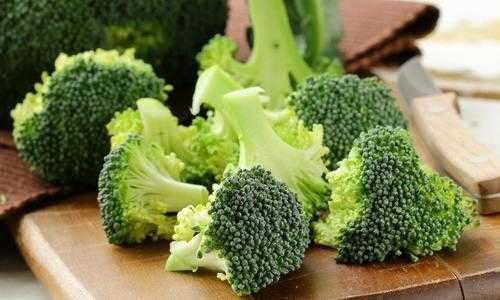
It’s water-soluble and found in many fruits and vegetables, including oranges, strawberries, kiwi fruit, bell peppers, broccoli, kale, and spinach.

The recommended daily intake for vitamin C is 75 mg for women and 90 mg for men.

While it’s commonly advised to get your vitamin C intake from foods, many people turn to supplements to meet their needs the best way to take supplement Vitamin C is first thing in the morning, 30-45 minutes before a meal.

Boosts immunity
One of the main reasons people take vitamin C supplements is to boost their immunity, as vitamin C is involved in many parts of the immune system.

First, vitamin C helps encourage the production of white blood cells known as lymphocytes and phagocytes, which help protect the body against infection.

Second, vitamin C helps these white blood cells function more effectively while protecting them from damage by potentially harmful molecules, such as free radicals.

Third, vitamin C is an essential part of the skin’s defense system. It’s actively transported to the skin, where it can act as an antioxidant and help strengthen the skin’s barriers.

Studies have also shown that taking vitamin C may shorten wound healing time.

What’s more, low vitamin C levels have been linked to poor health outcomes.
For example, people who have pneumonia tend to have lower vitamin C levels, and vitamin C supplements have been shown to shorten the recovery time.

May reduce your risk of chronic disease.
Vitamin C is a powerful antioxidant that can strengthen your body’s natural defenses.

Antioxidants are molecules that boost the immune system. They do so by protecting cells from harmful molecules called free radicals.

When free radicals accumulate, they can promote a state known as oxidative stress, which has been linked to many chronic diseases.

Studies show that consuming more vitamin C can increase your blood antioxidant levels by up to 30%. This helps the body’s natural defenses fight inflammation,

Source: healthline.com

Ad article

Rearing for food and jobs to boost the economy of Obuasi.

The Municipal Chief Executive, Hon. Elijah Adansi-Bonah of Obuasi has said that the introduction of the government’s flagship programme; Rearing for Food and Jobs will boost the agricultural economy of Obuasi.

Speaking at a ceremony to present 100 pigs to 20 beneficiary farmers as part of the Rearing for Food and Jobs programme, he said Obuasi was on course to harness its economic potential through agriculture.

Hon. Adansi-Bonah said the Municipality was focusing on pig farming due to its enormous benefits and potential to create employment and reduce poverty in the area.

He said despite its international reputation as a mining town, Obuasi had chopped great success in the area of agriculture, by producing two best regional farmers and the best national cocoa farmers in 2018 and 2020 respectively.

Hon. Adansi-Bonah advised the beneficiaries to take good care of the pigs to help sustain the programme for the benefit of others.

Mr. Augustine Antwi, Municipal Director of Agriculture said that the pigs had been quarantined and tested to make sure they were free from diseases like Swine brucellosis; an infectious disease of pigs that causes chronic inflammatory lesions in the reproductive organs, and infertility and low milk production.

He assured the beneficiaries of the directorate’s Continuous Technical Support and Monitoring, to ensure that the programme achieved its intended purpose in order to help sustain the policy.

The President of the Republic, Nana Addo Dankwa Akufo-Addo, launched the Rearing for Food and Jobs (RFJ) campaign on 25th June 2019 in Wa in the Upper West Region.

The campaign, which will run for five years, from 2019 to 2023, according to President Akufo-Addo, “will develop a competitive and more efficient livestock industry that will increase domestic production, reduce importation of livestock products, contribute to employment creation, and improve livelihoods of livestock value chain actors”.

Source: GNA

Ad article

LIFESTYLE: Incredible nutritional benefits of Sorghum you should know.

Photo credit: Farm Flaver

Sorghum is a non-wheat grain that offers a dietary option to people with celiac disease, may help control diabetes, and improve digestive health, among other benefits.

Sorghum Nutrition Facts.
According to the USDA, sorghum is a powerhouse of nutrients. When included in the diet, it can provide nearly half of the daily required protein, a significant amount of dietary fiber, and B-vitamins vitamins like niacin, riboflavin, and thiamin, as well as high levels of magnesium, iron, copper, calcium, phosphorus, and potassium.

Health Benefits of Sorghum are;
The health benefits of sorghum in relation to our digestive process are many. Let’s discuss the benefits in detail below.

May Improve Digestive Health.
Sorghum is one of the best foods out there for dietary fiber. A cup of sorghum grains contains almost 13 grams of dietary fiber, meaning that your digestive tract can keep your food moving along smoothly, preventing cramping, bloating, constipation, stomach aches, excess gas, and diarrhea. Furthermore, meeting or exceeding the recommended daily amounts of fiber intake can help to scrape off dangerous cholesterol (LDL) within the body, which can help to improve heart health and protect the body from conditions like atherosclerosis, heart attack, and stroke.

Complex Carbohydrates May Help Manage Diabetes.
Excessive sugary, fiber-less, carbohydrates break down into simple sugars and wreak havoc on glucose levels in the body, which may lead to the development of diabetes, or causing chaos for people who already suffer from this disease. However, the complex carbohydrate, tannin-rich bran of sorghum has enzymes that inhibit the absorption of starch by the body, which can help to regulate insulin and glucose levels in the body. Thus, diabetics won’t suffer as many plunges and spikes in their glucose levels. For those who are diabetes-free, consuming moderate portions of whole grains as part of a healthy diet may prevent the disease altogether!

Gluten-Free Grain Option.
Celiac disease is a severe allergy to gluten, primarily found in wheat-based products. Gluten is found in thousands of everyday food items, which can make it very difficult to find appropriate food options for those suffering from this gastrointestinal disease. Fortunately, the journal Clinical Nutrition has covered collaborative research, which highlights that alternative grains and grasses – such as sorghum – can be eaten safely by those suffering from this increasingly common condition. Choosing gluten-free grains can help this population eat a meal without side effects such as painful inflammation, nausea, and gastrointestinal damage.

May Improve Bone Health.
Magnesium is found in high quantities in sorghum. Adequate amounts of magnesium can help calcium levels to be properly maintained, as magnesium increases calcium absorption in the body. These two minerals are also integral to the development of bone tissue and speed up the healing of damaged or aging bones. This can help prevent conditions like osteoporosis and arthritis, keeping you active and healthy into your old age.

May Increase Circulation.
As per the research published in the journal Science of The Total Environment, sorghum contains minerals like copper, iron, zinc, magnesium, and calcium. The presence of copper can help increase the absorption of iron into the body. This means a decreased likelihood of developing anemia, which is another name for iron deficiency. With adequate amounts of iron and copper in the system, red blood cell development can be increased, thereby may boost blood circulation, stimulating cellular growth and repair, and boosting the energy levels in the body.

Contains Energy Boosting Nutrients.
As per the research carried out by the Department of Nutritional Sciences, the University of California and published in the journal Nutrient Research sorghum contains niacin. Niacin, also known as vitamin B3 is a key component in transforming food into usable energy and fuel for the body by breaking down and metabolizing nutrients into energy. Given its beneficial vitamin content, it can be a boon as part of any well-balanced diet!

Word of Caution: There are no known concerns against adding sorghum to your diet. As it is part of the grass family, there is the possibility of some people being allergic to it, but the cases are very rare. Furthermore, with the high content of certain minerals and vitamins, the only real danger is getting too much of a good thing, so eat sorghum in moderation and enjoy all of the wonderful health benefits!

Source: organicfacts.net

Ad article

The agricultural students’ career guidance and mentorship dialogue Bootcamp (AG-STUD) 2021 launched.

The 4th edition of the Agricultural Students career guidance and mentorship dialogue Bootcamp (AG-STUD), a practical agribusiness beginners’ capacity building for students and agribusiness beginners has been launched at Accra.

The initiative aims at building the capacity of agricultural students, agribusiness beginners, and start-ups by exposing them to the dynamics of the food and agricultural market, through education, competence-based sessions, and leadership programmes, which is essential to the success and growth of agriculture.

In a welcoming address, the Executive Director of Agrihouse Foundation, Ms. Alberta Nana Akyaa Akosa thanked the invited guests, the stakeholders, and the students for honouring the invitation irrespective of the wave of the pandemic.

“The pandemic, as grave as it has been, is positively directing Agrihouse toward its greater missions; to grow and build resilience; introduce new interventions and upscale its projects, to complement and align with the needs of all its beneficiaries and stakeholders, including households, farmers, women, beginner agribusinesses and civil society; development partners, the youth, small and large-scale farmers, Technology and financial firms, governments, public and private agribusinesses”, she said.

She mentioned that (AG-STUD) 2021 would be focused mainly on practical knowledge to equip the students and the agribusiness beginners with best farming practices particularly in the field of fertilizer application and appropriate use of farm inputs.

Fertilizer application is one of the critical issues in the agriculture sector. Most of the farmers are aged, having little or no knowledge about fertilizer application contributing to food poison. As a result of mitigating this issue, the focus of AG-STUD 2021 is a good intervention to trains students and young individuals not only the prospects in agriculture but good agronomical practices.

Giving the success story so far, Ms. Alberta Nana Akyaa Akosa said the Bootcamp has trained and mentored about 600 students directly and about 20,000 students indirectly. According to her, through the AG-STUD initiative, business clubs have been set up in about 10 institutions where students have come up with agribusiness ideas, grown and nurtured them into real businesses. About 14 individuals have also nurtured their individual ideas and are now operating these businesses on their own.

The Patron of the (AG-STUD Africa), Hon. Dr. Zenator Agyemang Rawlings commended Agrihouse Foundation for building the human capacity of the youth and those who are interested to engage in agriculture.

Hon. Zenator eulogized the beneficiaries for practicalizing their knowledge to contribute to food security in the country. She urged the beneficiaries not to focus only on the yield and the profit that is made from the farm produce but consider the nutritional values of that they produce as well. “As we look at the yields and the profit that we make, let us also look at the nutritional value. If ever there was a time to pay attention to what is in our food, the time is now because of Covid-19”, Hon. added.

According to the Patron, the government should not be the sole engine to run the agricultural sector because the government would not succeed, therefore, the private partners should upfront the activities of the sector whilst the government supplement it as Agrihouse Foundation is doing.

She opined that the beneficiaries should take advantage of the African Continental Free Trade Area as a means of expanding their market spheres. “If there was ever a time to make use of ACFTA this is it”, she extolled.

Carianne de Boer, the Chief of Party, United States Department of Agriculture, in her keynote address, admonished the students not to let anything hold them back from taking advantage of the strong partnerships established with the private sector through the programme.

She challenges the students to make the best of employment, agricultural and business skills provided by the Agrihouse Foundation through the mentorship opportunity.

The Chief of Party of USAID reinvigorated the students to take adventures for more opportunities to solve problems, “be curious, make the global your learning field and come out with production and market solutions that can build resilience to multiple shocks and stresses, especially in the face of recent global challenges like Covid-19”.

Speaking on behalf of the Regional Head of AGRA of West Africa, Dr. Dorothy Effah lauded Agrihouse Foundation for providing tangible opportunities for the youth.

She assured that the Alliance for a Green Revolution in Africa (AGRA) would partner with Agrihouse Foundation to develop the youth to transform agriculture into a highly productive and sustainable system.

She underscored AGRA’s interventions for the youth which seeks to inspire generations to become agripreneurs.

Selorm Amevor, Ag. Head of Marketing and Communications, Agriculture Development Bank (ADB) added that the programme has developed record-keeping skills that would aid the students in accessing financial support from the financial institutions.

He mentioned that one of the limitations of farmers getting access to financial support is the lack of record-keeping and since the programme seeks to eliminate that challenge it would go a long way to help the students.

He further said the challenge that ADB is facing over the years is that most of the farming communities have issues of proper record keeping and this has made it difficult to even disburse the GH500 million which was set up last year for the poultry industry.

This year’s AG-STUD AFRICA is scheduled to kick start on Monday, April 12 – Friday, April 16, with organizing partners including, the Ministry of Food and Agriculture (MOFA), and The National Farmers and Fishermen Award Winners Association of Ghana (NFFAWAG).

Ad article

LIFESTYLE: The KING of all vegetables and its medicinal benefits that you need to know.

Kontomire /Cocoyam leaves (Colocasia esculenta) is a starchy edible tuber and bears broad greenish leaves. It is grown in several places around the world. We usually consume the roots tubers or its leaves, locally called kontomire. Both the root and leaves have many health benefits for the body because they are rich in nutrients.

The medicinal benefits of Kontomire are:
Boost immune system
One cup of cocoyam leaves contains about 145mg of Vitamin C, about 86% of our body’s daily requirement. This will help boost your immune system effectively.

Prevention of cancer
Cocoyam leaves are rich in vitamin C which acts as an antioxidant. This fights against free radicals that cause cancer and help to prevent many diseases.

Healthy eyes.
Cocoyam leaves are rich in vitamin A in addition to the vitamin C. The amount of vitamin A can be as high as 123% of our daily requirement. It is very good for the eyes to stay healthy, maintain visual acuity, and prevent the eye diseases such as myopia, cataract, and blindness.

Aid digestion and prevent digestive problems.
The high dietary fibre in cocoyam leaves helps in food digestion and absorption. Cocoyam leaves can prevent digestive problems such as indigestion, constipation, and diarrhoea.

Cholesterol level reduction
Cocoyam leaves have no cholesterol and only 1% of total fat, and so, is the best diet for reducing cholesterol. The dietary fibre and methionine contained in cocoyam leaves can reduce cholesterol effectively. They bind and break down fat and cholesterol especially triglyceride.

Help in weight loss
Cocoyam leaves are low in fat and high in protein. It is, therefore, the best diet to reduce your fat and get your muscle mass.

Reduce inflammation.
Cocoyam leaves contain Omega 3 which plays a role in the inflammation process and can inhibit the release of inflammatory substances. It can help to treat diseases like arthritis, gastritis, or lupus disease.

Protect the nervous system
Are you feeling the symptoms of tingling, numbness, or pain in your limb? You can eat taro leaves to reduce those symptoms. The vitamin B complex including thiamin, riboflavin, niacin, and vitamin B6 in cocoyam leaves protect the nervous system. They also boost the immune system.

Control the blood pressure
Omega 3, an essential fatty acid, helps produce hormones to control the contraction and relaxation of arteries wall. If this mechanism is going well, the blood pressure can be kept at a normal level.

Healthy bone
Cocoyam leaves also contain calcium which is good for the formation and maintenance of healthy bone. It works with phosphorous to strengthen the bone and teeth.

Fetal brain and nervous system development
Besides its rich nutrients content, the leaves also contain folate which is essential for the development of your fetal brain and nervous system. It is, therefore, good to consume cocoyam leaves when you are pregnant. However, be sure to cook them well before you eat.

Anaemia prevention
Cocoyam leaves diet is recommended for the prevention of anaemia. This is because they contain iron minerals which helps in red blood cell formation. The vitamin C content additionally helps to absorb the iron well.

Fetal bone and teeth development
Additionally, the manganese in cocoyam leaves helps in the fetal cartilage, bone, and teeth formation during pregnancy

Prevention of preeclampsia in pregnancy
The consumption of cocoyam leaves helps to prevent preeclampsia (a pregnancy complication characterized by high blood pressure and signs of damage to another organ system, often the kidneys) during pregnancy. The magnesium mineral helps in muscle relaxation and can be used to prevent preeclampsia.

Reduce wrinkle on the skin
Cocoyam leaves also contain the amino acid called threonine. The threonine helps in the formation of elastin and collagen which are good for healthy skin. They prevent the skin from wrinkle and rejuvenate skin.

Quick treatment for diarrhoea
The zinc in cocoyam leaves protects intestinal mucosa. When you get diarrhoea, the intestine wall loses its mucosa. Zinc helps to release the mucosa quickly to immediately stop the diarrhoea.

Very good energy source
Cocoyam leaves present one of the best energy sources for the body through its essential amino acid called isoleucine. This protein regulates blood sugar and increases muscle strength and energy levels. This is the best diet for people who love to work out.

Promote bone and skin healing.
An essential amino acid called leucine is contained in cocoyam leaves. It promotes bone and skin healing by releasing the natural painkiller called enkephalins. It does not only facilitate bone healing but also relieve the pain as well.

Enhance the memory and mood.
Cocoyam leaves release dopamine (a monoamine neurotransmitter found in the brain and essential for the normal functioning of the central nervous system) which acts in the brain and nervous system. Synthesized by phenylalanine, it enhances your brain memory and controls your mood.

Help to treat nicotine addiction
Cocoyam leaves contain tyrosine, a crucial amino acid in the human body. It becomes an adaptogen substance that helps to minimize the effect of nicotine, cocaine, and coffee addiction.

Increase sperm production
Cocoyam leaves contain arginine, an amino acid that helps to increase sperm production. This makes it good for men.

A detoxification agent
Histidine, one of the essential amino acids is also contained in cocoyam leaves. It serves as a detoxification agent that helps to remove the heavy metals from the body and protect the body from damage from radiation.

Caution!!!
You shouldn’t consume cocoyam leaves in a raw condition because it has a dangerous toxin. Please soak them first in clean water for about 10-15 minutes. After that, cook them well to remove their toxic substance. It is usually itchy in the throat if not well cooked.

Source: Gbafrica.net

Ad article

Agric’s contribution to the economy could further dwindle — Government Statistician.

Professor Samuel Kobina Annim, Government Statistician.

The contribution of agriculture to the Ghanaian economy could further dwindle, considering the current modes of operation and characteristics of the persons and institutions engaged in the sector, the Government Statistician, Professor Samuel Kobina Annim, has said.

Despite recent efforts by the government to boost the sector, since 2013, the sector’s contribution to the economy has remained below 26 percent, with the latest being 23.3 percent in the third quarter of 2020.

The 2017/18 Ghana Census of Agriculture (GCA) shows that in a typical agricultural household, those engaged are aging. At the same time, the majority of the youth, between 15-35 years, do not seem to consider agricultural activities as a viable source of employment, as only a few are working in the sector. Only about 29.7 percent of the 2.6 million agriculture households surveyed had youth from the ages of 15 to 35 years actively engaged in the sector.

“It is not encouraging to see an aging population in a particular sector. What that means is that the contribution of that sector to the economy is going to dwindle over time. As we are seeing, agriculture used to contribute a lot more to the economy, but now its contribution is about 20 percent. So, if you have an aged population, it means people are no more interested in the sector,” Prof. Annim said in an interview after a dissemination workshop on the Ghana Census of Agriculture.

The 2017/18 Ghana Census of Agriculture (GCA) reveals that while agricultural activities in the country still remain rural and rudimentary with little innovation and modernization, the sector is also characterized by an aging population.

The Government Statistician indicated that the full potentials of agriculture in employment, food security, foreign exchange earnings, wealth, and investment outcomes are not being realized given the current modes of operation and characteristics of the persons and institutions engaged in agriculture.

To promote diversity, the Government Statistician said agriculture should attract the youth, especially those with tertiary-level education, among whom unemployment is high and who the census shows have low participation in agriculture.

He recommended tackling some issues, such as the adoption of new technologies, low productivity in agriculture, lack of resources, among others, that have plagued the agricultural sector in order to attract more people and investments into agriculture.

Currently, most agricultural holders use traditional tools and equipment for production, whereas the use of modern tools and equipment such as tractors, shellers, power tillers, meat processing equipment, and milking equipment is negligible.

Source: business24.com.gh

Ad article

Chiana Paramount Chief influences investors to revamp Zuarungu Meat Processing Factory.

The defunct Zuarungu Meat Processing Factory

Some foreign investors have expressed their readiness to refurbish the Zuarungu Meat Processing Factory following an appeal made to them by the Paramount Chief of Chiana and President of the Upper East Regional House of Chiefs, Pe Ditundini Adiali Thomas-More.

The Paramount Chief, whose father was a key member of a team that drafted the 1992 Constitution of Ghana, is also said to be currently in talks with some other investors to give a face-lift to the Northern Star Tomato Processing Factory at Pwalugu in the Talensi District and some other non-operational factories across the Upper East Region.

A statement issued by his office to the press says the move to revamp the collapsed factories is part of his neutral vision to help the region and Ghana as a whole to attain by the year 2030 the Sustainable Development Goals (SDGs) on poverty, hunger, education, health, and environmental protection among others. The office says the refurbishment project would also help address rural-urban migration and unemployment-related crimes in the region and beyond.

The President of the Upper East Regional House of Chiefs is among some five candidates for an upcoming Council of State membership election in the region. The election is scheduled for Friday, February 12, 2021, at the House of Chiefs in the regional capital, Bolgatanga.

“The Chiana Pio deserves the slot to represent the region as a Member of the Council of State. He is a unifier and he has effective lobbying skills. As the President of the House of Chiefs, he has been very firm in pushing for the unity and development of the region. He does not discriminate no matter the background you are coming from. All he wants is to see to it that everybody’s welfare is catered for. He has got a lot of development plans for the region. He became the President of the House of Chiefs just recently, but look at the development he has brought so far,” said one of the 30 delegates who will be casting their votes this Friday.

Pe Ditundini Adiali Thomas-More is said to have also assured the delegates that he will maintain the Electoral College as a “pool of wisdom” to guide his advice on state policies if elected a Member of the Council of State at Friday’s election.

The contenders, as captured on a notice of poll released this month by the Electoral Commission, are: “Mosore Kugbilsong Nanlebetang, a traditional ruler; Akurugu Eric Aligiyelah, a teacher; Yaw Mort, a businessman; Akamboe Ayirebasia, a public servant and Ditundini Adiali Thomas-More.”

Source: Daily Mail

Ad article

LIFESTYLE: The spectacular medicinal benefits of cabbage you should know.

Cabbage is one of the most commonly found vegetables on the planet. Cabbage is a leafy green, red, or white biennial vegetable that grows annually. But did you know that it also packs a hefty dose of health benefits? Rich in antioxidants, cabbage can help improve brain function, digestion while protecting against skin disorders, and heart diseases. It is also a great low-cal option.

This cruciferous vegetable belongs to the Brassica family and is round or oval in shape. It consists of soft, light green, or whitish inner leaves covered with harder and dark green outer leaves. It belongs to the group of cole crops, which means that it is closely related to broccoli, cauliflower, and Brussels sprouts. It is widely used throughout the world and can be prepared in several ways. Most commonly, it is included as either a cooked or raw part of many salads.

Health Benefits of Cabbage
Did you know that the inexpensive and widely used cabbage is full of health benefits? Let’s take a look at the best ones!

Antioxidant Agent
The antioxidants in this vegetable come from Vitamin C and flavonoids, such as quercetin, and apigenin. Red cabbage is particularly potent, as it is full of anthocyanins. Research shows that antioxidants can reduce inflammation and enhance brain function.

Anti-inflammatory Agent
Research published in Clinical Phytoscience suggests that cruciferous vegetables like cabbage have anti-inflammatory properties. They contain sulforaphane, which is a compound that reduces inflammation.

It is also known to accumulate a build-up of cadmium-binding complexes in its leaves; one of the main components of that is glutamine. Glutamine is a strong anti-inflammatory agent, so consuming it can help to reduce inflammation, irritation, allergies, joint pain, fever, and various skin disorders.

Supports the Digestive Tract
A study published in the World Journal of Gastroenterology suggests that fiber, present in cabbage, helps bulk up the bowel movements and treat constipation. Rich in fiber and glucosinolates, cabbage helps the body retain water and it maintains the bulkiness of the food as it moves through the bowels.

Improves Heart Health
According to a study, cabbage is rich in polyphenols, which reduce the risk of cardiovascular diseases by reducing blood pressure and preventing platelet build-up. Also, by binding the bile acids, it helps to lower your bad cholesterol levels.

Skin Care & Vitamin C
According to the New Wellness Encyclopedia, cabbage of all kinds are rich in vitamin C. A cup and a half of uncooked red cabbage can meet your daily vitamin C requirement. The high quantity of vitamin C has another advantage, of promoting your skin health. It provides photoprotection, helps in wound healing, reduces wrinkling, and dry skin.

Weight Loss
Cabbage is frequently recommended for people who want to lose weight healthily. Since the vegetable is packed with many beneficial vitamins, minerals, and other nutrients, including water and fiber, it is a healthy dietary option for people looking to eat healthier and shedding pounds. It is also low in calories, containing only 33 calories in a cup of the cooked vegetable. Given these beneficial traits, the fad “cabbage soup” diet is often used for those looking to lose weight fast. However, be aware that it is not nutritionally complete, and should be made a part of a balanced, healthy diet, not the main component!

Prevents Cataract
It is a rich source of beta-carotene. So many people, particularly as they get older, turn to cabbage for its ability to prevent macular degeneration and promote good eye health and delay cataract formation.

Supports Brain Health
Cabbage is rich in vitamin K, iodine, and antioxidants like anthocyanins. These elements are beneficial as building blocks for the brain. But emerging research shows that it can do far more than maintain the structural integrity of the brain and the nervous system. A 2019 research by the University of Rochester, published in the journal Nature Communications, found that cruciferous vegetables like cabbage may help in reducing levels of bad tau proteins that are found in the brains of Alzheimer’s patients. The Academy of Nutrition and Dietetics also recommended cruciferous vegetables for improving memory.

Improves Bones
Like all cruciferous vegetables, it is a great source of minerals, like calcium, magnesium, and potassium. These three essential minerals are integral in the protection of bones from degradation and the onset of conditions like osteoporosis and general bone weakening. The National Spine Health Foundation recommends Vitamin K-rich foods like cabbage to strengthen bones, cartilage, ligaments, and muscles.

Regulates Blood Pressure
Red cabbage happens to be a good source of anthocyanins. A study published in the American Journal of Clinical Nutrition found that “Higher anthocyanin intake is associated with lower arterial stiffness and central blood pressure in women.” Simply put, this anthocyanin-rich vegetable helps lower blood pressure levels and prevents heart diseases.

The presence of potassium also makes it a wonderful way to protect yourself from elevated blood pressure, which increases the risk of heart attack and stroke. Potassium is a vasodilator, which means that it opens up the blood vessels and eases the flow of blood, so it isn’t being forced in a stress-inducing way through constricted arteries and veins. Overall, it is a great shield against many types of dangerous conditions!

Reduces Muscle Aches
When certain bacteria ferment the sugars in cabbage during the preparation of sauerkraut, lactic acid is released. It isn’t the easiest compound to find in a diet, but it has been shown to reduce muscle soreness and aches. So in some small way, it can help in general pain relief and muscle soreness, depending on how it is prepared.

Speeds-up Healing
Cabbage is rich in sulfur, which is a very useful nutrient as it fights infections. A deficiency of sulfur can result in microbial infections and a greatly reduced healing speed. It also reduces the frequency and severity of ulcers.

Source: organicfacts.net

Ad article

LIFESTYLE: Eat cocoa products to boost your immune system to fight coronavirus.

Research has revealed that cocoa contains nutrients like iron, magnesium, phosphorus and antioxidants that could fortify one’s immune system to resist the damaging effects of COVID-19.

The polyphenols in cocoa are antioxidants that prevent free radicals from damaging cells. Due to its abundance in these compounds, cocoa has a higher potential antioxidant capacity.

In a clinical trial on 48 healthy people, consuming flavanol-rich cocoa improved antioxidant status (by increasing glutathione levels and reducing oxidative damage markers such as oxidized LDL and F2-isoprostane), especially at high doses. In another trial on 100 men, cocoa protected blood fats from oxidation.

In a clinical trial on 38 people with non-alcoholic fatty liver disease, dark chocolate prevented the production of free radicals by blocking an enzyme that produces them (NOX2) .

In 2 small trials on 36 athletes, cocoa flavanols increased antioxidant capacity before and during exercise. To sum up, the evidence suggests that cocoa’s polyphenols may be antioxidant in humans

Flavonoids, mainly catechin and epicatechin, may play a role in brain health enhancing its function, creating new brain cells, and even reversing brain damage in conditions such as Alzheimer’s and Parkinson’s diseases.

These compounds cross the blood-brain barrier and localize in areas of the brain responsible for memory and learning, which is where most neurodegeneration occurs.

In 3 clinical trials on over 100 healthy adults, acute consumption of cocoa improved working memory, spatial memory, and visual search efficiency. However, dark chocolate only improved mood but had no effect on cognition in another trial on 72 middle-aged people.

Cocoa also preserved cognitive decline in elderly adults by preserving white matter integrity and protecting a brain region whose decline is associated with memory impairment in (dentate gyrus).

Three small studies on 30 volunteers showed that cocoa flavanols increase blood flow in the brain in both young and elderly people.

Again, limited evidence suggests that cocoa’s flavonoids may improve some cognitive functions and help prevent cognitive decline in elderly people. Further clinical research should determine how to use it for this purpose.

Source: anthonysgoods.com

Ad article

BOPP’s earnings continue to benefit from higher CPO prices.

Benso Oil Palm Plantation (BOPP) has reported a topline growth of 29.5%, against 20.9% in the same period of 2019, to GH¢123.82 million in 2020 on the back of higher palm oil prices emanating from increased demand from China and India as well as production squeeze arising from labor shortages in key producing countries in the midst of the COVID-19 pandemic.

Commodity data from the World Bank shows that the price of Crude Palm Oil (CPO) rose by 33.1% to US$ 1,016.37 per MT in 2020 while that of Palm Kernel Oil was up by 26.3% to US$ 1,224.87 per MT.

Although operating expenses grew by 16.6% in 2020, compared to 2.2% in 2019, to GH¢11.19 million in FY2020, the growth was still below revenue growth. This helped to reduce the operating expense ratio (operating expenses/revenue) by 100bps to 9.0% in 2020 from 10.0% in 2019.

BOPP’s profit margins were enhanced by the rise in revenue plus the drop in the operating expense ratio. Profit before tax jumped by 124.8% to GH¢ 29.39 million in 2020 while profit after tax surged by 155.8% to GH¢ 24.70 million in 2020. The PAT margin nearly doubled to 19.9% in 2020 from 10.1% in 2019.

Global palm oil prices are expected to remain very strong in 2021 on the back of anticipated weak production arising from unfavorable weather patterns in key producing countries.

In contrast, demand is expected to remain strong in 2021 on the back of sustained robust demand from China and India, and enforcement of higher biodiesel mandates in Malaysia and Indonesia.

In addition, anticipated disruptions to the supply of competing vegetable oils (soy, sunflower, and rapeseed) could lead to increased demand for palm oil, which could push prices up.

Source: Business 24

Ad article