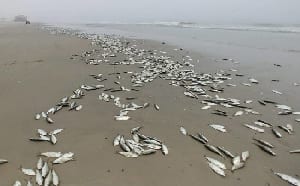
The Ministry of Fisheries has said it is investigating the cause of the death of tons of fish that were found along the shores of the Osu Castle beach in Accra on Friday.
A statement said samples of the fish have been collected on ice to be examined critically in the laboratory.
“Initial observation of the fishes showed no wound /lesions on their bodies. It is to be noted that after two to three days of the death of an animal pathological signs change. Samples of the fish were collected on ice to be examined critically in the laboratory.
“Seawater samples have also been collected at the beach in the Korle Klottey District in the Greater Accra Region. Examinations will be carried out on the fish gills and other histological examinations will equally be conducted to ascertain any pathological cause,” the statement added.
Below is the full statement from the Fisheries Ministry: INVESTIGATION OF FISH MORTALITY – OSU CASTLE BEACH – GREATER ACCRA REGION. Information got to Fisheries Commission yesterday, April 3, 2021, in the evening, about fish mortalities sighted at the Osu Castle Beach. A team from the Fish Health Unit and the Fisheries Scientific Survey Division of the Fisheries Commission was dispatched to the area. Upon arrival at the beach, the team noticed that there were dead small pelagic and demersal fishes at the shore.
Initial observation of the fishes showed no wound /lesions on their bodies. It is to be noted that after two to three days of the death of an animal pathological signs change. Samples of the fish were collected on ice to be examined critically in the laboratory.
Seawater samples have also been collected at the beach in the Korle Klottey District in the Greater Accra Region. Examinations will be carried out on the fish gills and other histological examinations will equally be conducted to ascertain any pathological cause.
The seawater samples collected will be analysed for physical, chemical, and other biological parameters. The colour of the sea and temperature are normal. We assure everyone that we are working hard to ascertain the actual cause of mortality of the fish.
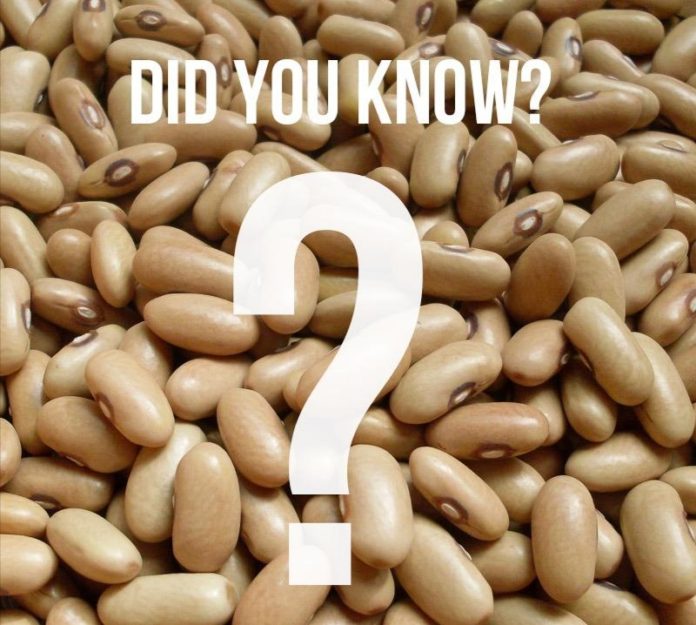
Beans are the seeds from flowering plants in the Fabaceae family and are classified as legumes.
Several beans grow in pods or capsules that develop from flowers. Other legumes include peas, peanuts, and lentils. These beans are available to dry, canned, or frozen.
They differ nutritionally from green beans or wax beans where a person eats the entire pod.
Beans contain amino acids, which are the protein building blocks that the body uses to heal and to make new tissues, such as bone, muscle, hair, skin, and blood. Protein is an essential nutrient.
There are many types of beans. Dried beans need cooking to make them tender enough to eat. Canned and frozen beans are typically ready to eat after warming on the stove or in the microwave. Some of the most popular bean varieties include:
Lima beans
Black beans
Black-eyed peas
Soybeans
Kidney beans
Garbanzo beans
Navy beans
Pinto beans
Red beans
Health benefits of beans Beans offer several health benefits.
Protein Protein is a vital nutrient that plays a key role in maintaining and repairing the body. Beans are high in amino acids, the building blocks of protein.
There are 20 amino acidsTrusted Source, and nine of these are essential. There are also two types of protein sources: complete and incomplete.
Animal products, soy, and quinoa are all complete proteins, which means they contain all nine essential amino acids.
However, of all the types of beans, only soybeans contain all nine amino acids.
People can combine incomplete proteins with nuts, seeds, dairy products, or grains at a single meal or throughout the day to make complete proteins.
For example, a person can:
Eat beans with rice or couscous for lunch Have black beans at lunch with almonds or cheese Beans make an excellent source of protein for vegetarians and vegans.
They are also lower in calories and saturated fat than some other protein sources, such as meat and full fat or low-fat dairy products.
Examples of the protein content of beans are: A 1-cup or 40 grams Trusted Source (g), serving of canned black beans provides 14.5 g of protein, 16.6 g of fiber, and 4.56 milligrams (mg) of iron. A 1-cup or 155 g Trusted Source, serving of shelled edamame beans provides 18.5 g protein, 8.06 g fiber, and 3.52 mg iron.
Folate Beans contain several vital nutrients, including folate. Folate is essential for overall health, to make healthy red blood cells, and help prevent neural tube defects in a fetus during pregnancy. A 1-cup, or 155gTrusted Source, serving of shelled edamame beans provides 482 micrograms (mcg) of folate.
Antioxidants According to research Trusted Source, beans are rich in polyphenols, which are a type of antioxidant. Antioxidants fight the effects Trusted Source of free radicals, which are damaging chemicals that the body produces during metabolism and other processes.
Free radicals can cause cell damage that can result in various diseases. Antioxidants help the body remove free radicals. In this way, antioxidant-rich foods, such as beans, can help protect the body from disease.
Heart health People who consume beans regularly may be less likely to die of a heart attack or other cardiovascular problems. The authors of a 2017 meta-analysis Trusted Source suggested that one reason for the decrease in cardiovascular risk was that people had replaced higher fat animal meat proteins with beans.
A 2013 review and meta-analysis found a clear correlation between eating beans and a lower risk of coronary heart disease.
Other research suggests that nutrients in beans may help lower cholesterol. High cholesterol is a risk factor for heart disease and heart attacks.
There is evidence Trusted Source that a high-fiber diet may help reduce the risk of cardiovascular disease. A half-cup or 88 g Trusted Source, serving of black beans provides about 14 g of fiber, which is over half an adult’s daily requirement for fiber.
Reduced risk of cancer Some studies have shown that beans act as antioxidants and anti-inflammatory agents. These effects could reduce the risk of cancer.
Research published in 2015 analyzed whether beans might have antioxidant properties that fight intestinal cancer. The results suggested that black beans had the highest antioxidant activity.
A 2016 study also found that chemicals in Northeast China black beans could slow the growth of colorectal cancer by preventing cancer cells from multiplying.
Diabetes and glucose metabolism Beans may help stabilize Trusted Source blood glucose levels or even prevent diabetes. Beans are high in fiber, which can help lower blood glucose.
The author of a 2018 review Trusted Source concluded that consuming a high fiber diet could reduce the risk of type 2 diabetes. There was also evidence that it may help lower blood sugar in people who already have the condition. Another study Trusted Source looked specifically at the effect of adding a cup of legumes to the daily diet of people with type 2 diabetes. This study showed a reduction in blood sugar levels and lower blood pressures in the group who ate beans over the control group who included more whole wheat fiber.
Preventing fatty liver Fatty liver happens when fats accumulate in the liver. It can develop alongside obesity, high cholesterol, high blood pressure, and other aspects of metabolic syndrome.https://www.nhs.uk/conditions/non-alcoholic-fatty-liver-disease.
Doctors base the treatment of fatty liver disease on weight loss and controlling blood sugars, as well as reducing blood levels of fats, such as triglycerides and low-density lipoprotein (LDL), or bad cholesterol. Replacing higher fat animal proteins with beans is a good step towards better liver health.
Controlling appetite When a person eats beans, the fiber and healthful starches they contain can help create a feeling of fullness and satisfaction. As a long-term dietary strategy, this could help prevent overeating and may lead to weight loss, according to a 2013 review Trusted Source.
Improving gut health Research Trusted Source has shown a variety of beans, especially black beans, enhance gut health by improving intestinal barrier function and increasing the number of beneficial bacteria. This may help prevent gut-associated diseases.
Healthful gut bacteria also support immune system function and may promote weight loss. Beans feed the healthful gut bacteria colonies.
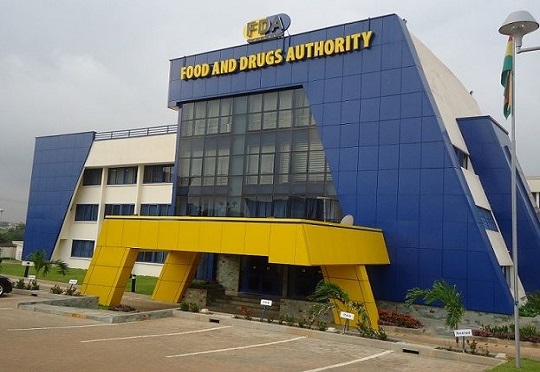
The Eastern Regional Head of the Food and Drugs Authority, Mr. Samuel Kwakye says FDA is going to collaborate with the Ghana Police Service to enforce part seven section 97(1) of the public health acts, 851, 2012 which states “A person shall not manufacture, import, export, distribute, sell or supply food or expose food for sale unless the Authority has registered the food” to clamp down on all illegal operators in the food chain industry to help sanitize the industry which will lead to safeguarding public health and safety.
He was speaking during a stakeholder engagement and training program for water manufacturing producers in the Eastern Region of Ghana. The aim of the engagement was to foster good relations with their stakeholders.
Speaking during the engagement, the Eastern Regional Head of the FDA, Mr. Samuel Kwakye said the water producing industry is very important and it is the vision of the FDA to help them to sustain their business, he further said the industry is very essential and they should continue to hold the fort.
Mr. Kwakye reiterated that the key responsibility of the FDA is to ensure product quality and safety and called on them to continue to adhere to Good Manufacturing Practices (GMP) in their daily activities that will assure the quality and safety of their products.
Speaking during the program Mr. Kwakye said “it is not the priority of the Food and Drugs Authority to make things difficult for you and coming to FDA should not be a problem” he stressed.
He further called on them to “Report all illegal manufacturers to the FDA to help the authority sanitize the industry and the market because their water is not good and it is not helping the FDA and general public, we will maintain your confidentiality”.
Mr. Richard Abotsivia, Vice Chairman National Association of Sachet & Packaged Water Producers said their association was not left out of the hardship of the outbreak of the Covid-19 pandemic and called for some relieves to cushion their operations.
He also said they are ready to collaborate with the authority to flush out illegal operators who are manufacturing in their bedrooms to the authority to face sanctions to help sanitize the industry.
He ended by commending the FDA for their responsiveness over the years and support which has helped them to grow their business.
The projected 2021 budget is seen to increase the budget for the Ministry of Fisheries and Aquaculture Development by 163.6%. This was revealed at the press conference on the 2021 budget assessment by Send Ghana at Accra.
Evaluating the budget to the press, Send Ghana noted that the increment is in line with calls for increased funding for the development of the sector. However, the analysis over the years shows that execution rates have been low, owing to non-releases of substantial amounts of approved budgets for spending.
The instances are that, in 2018, the total approved budget for capital expenditure (CAPEX) for the Ministry was GHS 39,142 million, but only 15.8 percent (GHS 6, 208 million) was released.
Similarly, in 2019, the ministry spent less than half (45.7 percent) of its approved budget of GH¢59,592,448. This was because, not a pesewa out of the approved budget expected to be funded by Development Partners (DPs) for capital expenditure (CAPEX), (GH¢24,050,000) was released. Meanwhile, in 2021, DPs are expected to contribute about 84. 8 percent to fund CAPEX.
This is a worrying trend that could potentially hinder progress in undertaking important infrastructural development in the sector
Men and women are the pillars of the development of every sector of the economy. To ensure faster economic growth and development, the government must therefore ensure gender responsiveness in the implementation of projects and activities in the country.
Assessing the 2021 Ghana’s budget, Send Ghana has called on the government to ensure gender-responsive during the implementation of the budget.
According to Mr. George Ose-Bimpeh, Country Director of Send Ghana, the role of both men and women contributing significantly to the growth of the agricultural sector especially the fishing industry cannot be overlooked. He said this during a press conference at Accra.
He explained that while some 500,000 affiliated workers are engaged in the processing, distribution, and marketing of fish (which are female-dominated), the sector employs some 135,000 fishers. “Whereas access to outboard motors, fishing nets, etc. are of primary concern to men, access to improved ovens remains a challenge for women, with only about one percent of them using improved ovens for processing” he added.
However, the Fisheries Input Support Scheme does not seem to prioritize the needs of women in the provision of inputs. With specific challenges of men and women in the industry, the seeming lack of due consideration for both men and women in the budget of the ministry is worrying.
To tackle this issue the Government must therefore ensure gender responsiveness in the implementation of projects and activities of the ministry.
Mr. Osei-Bimpeh urged the government to give equal priority to Rearing for Food and Jobs as it was done for Planting for Food and Jobs.
“The continuous yearly allocation to Planting for Food and Jobs (PFJ) must be commended. However, the government should prioritize and provide clear budgetary allocation to Rearing for Food and Jobs (RFJ) too. Although the budget statement outlined key activities to be implemented in 2021 under the RFJ programme, the budget is silent on a dedicated expenditure line” he reiterated.
In the wake of climate change and uncertainties in crop yields, an alternative to improve incomes and sustain the livelihoods of crop farmers will be the rearing of small ruminants. In addition, the effective implementation of RFJ will improve the household nutrition of smallholder farmers.
Everyone experiences an upset stomach and indigestion, or dyspepsia, from time to time after eating or drinking. The condition is usually no cause for concern, and it is often possible to treat the symptoms using home remedies.
Common symptoms of an upset stomach and indigestion include: Heartburn, or acid reflux Nausea Bloating Gas Belching, sometimes bringing up bitter or foul-tasting fluid or food Farting Bad-smelling or sour breath Hiccupping or coughing
Some of the most popular home remedies for an upset stomach and indigestion include:
Drinking water Dehydration can increase the likelihood of an upset stomach. The body needs water to digest and absorb nutrients from foods and beverages efficiently. Being dehydrated makes digestion more difficult and less effective, which increases the likelihood of an upset stomach.
In general, the Health and Medicine Division (HMD) recommends that: Women should have around 2.7 liters (l), or 91 ounces (oz), of water a day Men should have about 3.7 l, or 125 oz, of water a day Around 20 percent of this will come from food, with the rest coming from beverages. For most people, a good figure to aim for is approximately 8 or more cups of water a day. Younger children require slightly less water than adults.
For those with digestive issues, it is imperative to stay hydrated. Vomiting and diarrhea can lead to dehydration very quickly so people with these symptoms should keep drinking water.
Avoiding lying down When the body is horizontal, the acid in the stomach is more likely to travel backward and move upward, which can cause heartburn.
People with an upset stomach should avoid lying down or going to bed for at least a few hours until it passes. Someone who needs to lie down should prop up their head, neck, and upper chest with pillows, ideally at a 30-degree angle.
Ginger Ginger is a common natural remedy for an upset stomach and indigestion. Ginger contains chemicals called gingerols and shogaols that can help speed up stomach contractions. This may move foods that are causing indigestion through the stomach more quickly.
The chemicals in ginger may also help to reduce nausea, vomiting, and diarrhea. People with an upset stomach could try adding ginger to their food or drinking it as tea. Some all-natural ginger ales may also contain enough ginger to settle an upset stomach. Ginger tea is widely available to buy in supermarkets and online.
Mint In addition to sweetening the breath, the menthol in mint may help with the following:
Preventing vomiting and diarrhea Reducing muscle spasms in the intestines Relieving pain Researchers Trusted Source have found that mint is a traditional treatment for indigestion, gas, and diarrhea in Iran, Pakistan, and India.
Raw and cooked mint leaves are both suitable for consumption. Traditionally, people often boil mint leaves with cardamom to make tea. It is also possible to powder or juice mint leaves and mix them with other teas, beverages, or foods. Mint leaves are widely available in health stores and online. Sucking on mint candies might be another way to help reduce the pain and discomfort of heartburn.
Taking a warm bath or using a heating bag Heat may relax tense muscles and ease indigestion, so taking a warm bath may help to ease the symptoms of an upset stomach. It could also be beneficial to apply a heated bag or pad to the stomach for 20 minutes or until it goes cool.
BRAT diet Doctors may recommend the BRAT diet to people with diarrhea. BRAT stands for Bananas, Rice, Applesauce, and Toast. These foods are all starchy, so they can help bind foods together to make stools firmer. This may decrease the number of stools a person passes and help ease their diarrhea.
As these foods are bland, they do not contain substances that irritate the stomach, throat, or intestines. Therefore, this diet can soothe the tissue irritation resulting from the acids in vomit. Many of the foods in the BRAT diet are also high in nutrients such as potassium and magnesium and can replace those lost through diarrhea and vomiting.
Avoiding smoking and drinking alcohol Smoking can irritate the throat, increasing the likelihood of an upset stomach. If the person has vomited, smoking can further irritate the tender tissue already sore from stomach acids.
As a toxin, alcohol is difficult to digest and can cause damage to the liver and stomach lining. People with an upset stomach should avoid smoking and drinking alcohol until they are feeling better.
Avoiding difficult-to-digest foods Some foods are harder to digest than others, which increases the risk of an upset stomach. Anyone with an upset stomach should avoid foods that are: Fried or fatty Rich or creamy Salty or heavily preserved
Lime or lemon juice, baking soda, and water Some studies suggest that mixing lime or lemon juice in water with a pinch of baking soda can help to relieve a variety of digestive complaints.
This mixture produces carbonic acid, which may help to reduce gas and indigestion. It may also improve liver secretion and intestinal mobility. The acidity and other nutrients in lime or lemon juice can help to digest and absorb fats and alcohol while neutralizing bile acids and reducing acidity in the stomach. Most traditional recipes recommend mixing the following quantities:
1 tablespoon (tbsp) of fresh lemon or lime juice
1 teaspoon (tsp) of baking soda
8 oz of clean water
Rice Plain rice is useful for people with many types of stomach complaints. It can help by: Adding bulk to stool Absorbing fluids that may contain toxins Easing pain and cramps, because of its high levels of magnesium and potassium
Someone who is vomiting or has diarrhea could try slowly eating half a cup of plain, well-cooked rice. It is best to wait until at least a few hours after the last episode of vomiting. The person may continue to do this for 24–48 hours until diarrhea stops. Rice is also part of the BRAT diet that doctors often recommend.
Coconut water Coconut water contains high levels of potassium and magnesium. These nutrients help to reduce pain, muscle spasms, and cramps.
Coconut water is also useful for rehydrating and is a better option than most sports drinks as it is also low in calories, sugar, and acidity. Slowly sipping on up to 2 glasses of coconut water every 4–6 hours could ease upset stomach symptoms.
Bananas Bananas contain vitamin B6, potassium, and folate. These nutrients can help to ease cramps, pains, and muscle spasms. Bananas can also help by adding bulk to loose stools, which can alleviate diarrhea.
The Crops Research Institute (CRI) of the Council for Scientific and Industrial Research of Ghana (CSIR) has engaged stakeholders in the food industry on Ghana’s response plan against cassava viral diseases to improve yield.
The meeting was to enhance the understanding of key stakeholders on the health and economic importance of cassava, the viral diseases affecting the crop, and measures to adopt to eliminate and control them.
Representatives from CSIR-CRI, Foreign Commonwealth and Development Office (FCDO), United Nations Industrial Development Organisation (UNIDO), Plant Protection and Regulatory Services Directorate (PPRSD) of the Ministry of Food and Agriculture (MoFA), Alliance for a Green Revolution in Africa (AGRA), the University of Cape Coast (UCC) and Kwame Nkrumah University of Science and Technology (KNUST) attended the meeting.
Dr. Moses Mochiah, Director of CSIR-CRI, in a welcome address, said cassava is an important crop as it provided food for nearly 800 million people worldwide, including 500 million Africans and some 25 million Ghanaians.
He said the crop’s resilience makes it a strategic one for food security and poverty reduction since its derived products such as gari, tapioca, fermented dough, flour, starch, and chips, amongst others, helped to boost sub-regional trade.
Despite its importance, Africa, the world’s largest cassava producer, had the lowest yields compared to other continents as cultivation of the crop was impeded by several constraints, including viral diseases.
Dr. Mochiach said African Cassava Mosaic Disease (CMD) and Cassava Brown Steak Disease (CBSD) constituted the most eminent restrictions to cassava production due to their geographical distribution, resulting in an annual economic loss which is estimated at two to three billion dollars in Sub-Saharan Africa alone.
He said the recent spread of CBSD from East Africa into Central Africa and the threat it posed to West Africa was a great concern because it could lead to yield loss of up to 90 percent or more.
These two viral diseases are transmitted by whiteflies, which are abundant in Ghana and disseminated by humans through the exchange and use of infected planting materials.
He said the havoc that the diseases could wreak on cassava production necessitated the meeting to discuss the response plan and the role of key stakeholders.
He expressed the hope that the response plan and its implementation would receive support and cooperation from stakeholders to contribute to Ghana’s effort in controlling the disease.
Dr. Allen Oppong, a Senior Research Scientist at CSIR and Ghana’s leader of the West Africa Virus Epidemiology (WAVE), who presented the objectives and outputs of the plan, said out of the two viral diseases, the most prevalent in the country was the African cassava mosaic viral disease.
He said the cassava mosaic disease varied from country to country, including, Cameroon, South African, Ivory Coast, and Ghana.
Any of these varied types have a serious effect on the cassava crop and result in about 20 to 40 percent loss in yields.
Dr. Oppong said although the cassava brown steak viral disease was not yet in Ghana, there was a need for stakeholders to prepare for its control to prevent the devastating effects on cassava production.
He said farmers often did not know the symptoms of the cassava viral diseases and indicated that the Ghana cassava response plan spelled out elaborate education of farmers to raise awareness of the diseases.
It would also help to promote the highly resistant cassava crops produced out of research to farmers as a measure to control the viral diseases.
Dr Oppong said the key structure of the response plan when accepted by all key stakeholders would be the setting up of an Emergency Operation Centre (ECO) to facilitate all activities towards a quick response against the cassava viral diseases.
Nana Fobi Kropa, the Chief of Atwimanim, who chaired the function, noted that cassava provided food and jobs for many Ghanaians, and therefore, commended stakeholders for the response plan to improve cassava production.
Indeed, women are the major contributors to Ghana’s food basket, yet building their capacities for development is way down below the belt as expected. In contributing a quota to the women’s development in the agriculture sector to upscale production, Agrihouse Foundation has launched the 3rd Women in Food and Agriculture Leadership Training Forum (WOFAGRIC) and God in the Soil Awards.
“I believe there is no telling the heights and achievement women can reach when the right environment is created for our flourishing, and I am therefore delighted that Agrihouse Foundation has projects such as Agri-women Market Place and the Women in Food and Agriculture Leadership Training Forum, both interventional projects highlighting the work of women farmers and building their capacities while creating market accessibility, training and mentoring opportunities for them”, the Chairwoman of the event, Nana Adwoa Awindoh said.
Women farmers in particular face a lot of challenges, and this global pandemic has only intensified these concerns, in the areas of transportation, innovative marketing approaches, education, lack of skills training to enable self-reliance, and limited access to the market.
The chairperson enumerated that this is why Agrihouse Foundation for taken up the good fight and the intentional position to ensure that these challenges that the women farmers go through in the course of contributing to the national food baskets are mitigated. At this juncture, she added, it is important to note that smallholder farmers in Ghana, the majority of whom are women generate 80% of total agricultural production in the country. Thus, no support towards the resilience and sustainability of Ghanaian Agri-women is too small.
She thanked all the sponsors and the supporting partners for their immense contribution to the development of women in the agricultural sector and called for more assistance from the stakeholders both at the sector and other private partners to rally behind such thoughtful initiative to help the women thrive at this difficult times.
Speaking on behalf of the Chairman of the National Farmers and Fishermen Award Winners Association of Ghana (NFFAWAG), Dennis K. Addo noted that the effect of Covid-19 was very rife and all other countries closed their doors to us, but the gallant farmers who are mostly women demonstrated why are the backbone of Ghana’s economy.
“Our women worked untiringly to feed citizens with fruits and vegetables for stronger immune system against infections and even feeding front line health workers with energy and good health in their work”, he emphasized.
As an organizing partner, he said this year’s WOFAGRIC 21 would seek to showcase the efforts of the women agripreneurs, celebrate their achievements and contributions to the economic growth of their communities and countries, promote networking among women achievers in agribusiness and propel them to do more collectively, and recognize and reward pioneers and trailblazers; the women who push the boundaries along the agricultural value chain.
He commended the positive effect of the programme for adding 25% of women participants who were not into agriculture, and have now ventured into agribusiness after receiving the soft skills training during the previous edition of the programme.
The theme for this year’s event “Surviving, Thriving and Making Waves beyond the Pandemic” could not be more appropriate in view of the adverse effects of the COVID-19 pandemic on the agricultural value chains, particularly for women farmers, the Special Guest Speaker of the programme, Stephanie Brunet, Deputy Director of Operations, Canadian High Commission said.
According to her, since 2017, Canada has been providing support to the Government of Ghana to improve its agriculture sector through an initiative called Modernizing Agriculture in Ghana (MAG) and recognizes that the sector continues to hold great potential for reducing poverty and inequality in the country. “That is why we are providing 125 million Canadian dollars of assistance directly to the Government of Ghana to help modernize the sector”, she explained.
She expounded the big focus of the MAG project is to understand the specific needs of women farmers and to ensure that both female and male farmers are receiving the appropriate extension services to help them improve both their yields and their incomes.
“This is in line with Canada’s Feminist International Assistance Policy and the UN Sustainable Development Goal 5 on Gender Equality and through our partnerships with the Government of Ghana and organizations like the Agrihouse Foundation, we are witnessing increased empowerment and self-reliance among women in the agricultural sector. Women farmers are demonstrating higher levels of financial autonomy. As a result, they are now able to buy land, add rooms to their homes, purchase agro-processing machines, expand their agro-processing activities, and pay school fees for their children”, she contentedly said.
She believes that women are critical to the sustainability of Ghana’s agriculture and that successful women farmers deserved to be recognized for their achievements and contributions to the nation. She thanked the supporting partners and Agrihouse Foundation and assured their support to this year’s event.
The Regional Director of Agriculture, Mr. Francis Ennor delivering his remarks to welcome this year’s WOFAGRIC and Gold in the Soil which would be held at the Upper East Region said he has no shadow of doubt about the potential impact of the project on the livelihoods of women farmers in my region after familiarized himself with the concept note of the project.
Sharing little occupational history about the region, Mr. Ennor said agriculture remains the main source of livelihood for the majority of the people in the Upper East Region of Ghana, and of the total estimated farmer population of 928,090 in the Region, 49% are women. These women (mostly smallholders) are variously involved in mainstream agricultural production and agribusiness-related activities for sustenance.
“The prevailing agricultural production environment (attributable to the existence of well-organized and coordinated women groups and value chain actors) in the region, thus, FBOs with the membership of 13,106 positions it well to host the WOFAGRIC project. The Upper East region is thus more than prepared for the project and would therefore accord it all the necessary technical support it desires to succeed”, he mentioned.
He thanked Agrihouse Foundation and the sponsors of the great initiative and also for making Upper East the Host region for this year’s event.
The Executive Director of Agrihouse Foundation, Alberta Nana Akyaa Akosa thanked the supporting partners and the sponsors for their continuous support and called for more corporative support towards the activities and projects. “We believe we are filling a great gap in our national efforts, in our agricultural sector”, she eulogized.
Giving a success story of the Women in Food and Agriculture Leadership Training Forum (WOFAGRIC) and God in the Soil Awards over the years, Alberta announced that in 2019, almost a quarter of the nominees for the Gold in the Soil Awards made entries into the National Best Farmers Award Scheme at district, regional and national levels, 7 of them won laurels at the district and regional levels whilst 2 of them picked up awards at the National awards.
“Guidance provided by the Netherlands embassy and the Food and Drugs Authority (FDA) equipped some of the women farmers on how to go about documentations to export their produce. This helped about 13 women to start the process to go into exportation. In 2020, at the end of the tw0-day event, 25 % of women who were not into agribusiness had decided to start up their own agri-projects, as a result of the competence-based training and soft skills they had acquired”, she added.
The 3rd Women in Food and Agriculture Leadership Training Forum (WOFAGRIC) and God in the Soil Awards was launched at OAK Plaza, Accra with the theme “Surviving, Thriving and Making Waves beyond the Pandemic”. The WOFAGRIC event would be held in Upper East Region in July.
The Ministry of Food and Agriculture, MOFA, has called for the establishment of a fertilizer plant in Ghana to meet demand in the sub-region.
According to MOFA, the production of fertilizer on large scale would motivate farmers to apply the input to meet the 2006 Abuja Convention which requires that African farmers use fifty kilograms of fertilizer per hectare on a plot of land.
The Minister, Dr. Osei Akoto made the call at an Introductory Workshop on Fertilizer Research and Responsible Implementation for Ph.D. Research students at the Soil Research Institute of the CSIR in Kumasi.
Bitter Kola also is known as Garcinia kola, is a multipurpose tree found mostly in the tropical rain forest region of Central and West Africa.
This highly sourced species is called “wonder plant” because every part of it such as the seeds, stem, and leaves has been used for medicinal purposes over decades.
One study found that Garcinia kola acts as anti-bacteria, anti-virus, and provides protection against cancer among other diseases.
The most valued product of the tree is the seeds, which are commonly chewed by rural and urban populations of the African region to avoid and treat gastric problems.
Garcinia kola has several health benefits including curing a good number of sicknesses.
What sickness does bitter kola cure? There is vast evidence that bioactive components of the seeds can serve as an alternative medicine to treat and cure severe diseases or ailments such as…
Diabetes The effect of garcinia kola on diabetes is quite astounding. Findings have it that bitter kola can regulate blood sugar levels in the blood by reducing and normalizing it. Consuming Bitter Kola seed significantly ameliorates hyperglycemia-mediated damage by decreasing the blood glucose level, enhancing the antioxidant system, inhibiting lipid peroxidation, and improving complications of diabetes mellitus. This therapy is likely to be most effective in the early stage of diabetes as a severe state might require the services of health experts.
Malaria Over the years, traditional healers have been recommending bitter kola to their patients as a treatment for some ailments of which malaria is inclusive. Experimental studies backed up this fact in their finding that the chemical constituents in bitter kola have anti-malaria properties and can do wonders if two or three (with some water) of the seeds are chewed when signs arise. In addition, the stem, bark, and seeds of garcinia kola are used to treat acute fever, inflammation of the respiratory tract, and throat infections.
Weak immune system Bitter kola has a high amount of antioxidants. This high amount of antioxidants found in bitter kola does not only help fight bacteria and other illnesses but also helps the body to increase its immunity levels.
Also, when the immunity level of the body is increased, it becomes strong enough to fight against any foreign contaminant.
Glaucoma Glaucoma is a condition of increased pressure within the eyeball, causing a gradual loss of sight. Glaucoma could result in permanent blindness if left untreated. However, garcinia kola has been found to be an amazing remedy for this ailment. Researchers at Lagos University Teaching Hospital in Nigeria tested the effectiveness of eye drops that contained 0.5 percent extract of Bitter Kola. The results of their study showed that the ophthalmic solution that contained the Garcinia kola significantly reduced eye pressure when used twice a day. The study then recommended eating Bitter kola at least twice a day to ease eye pressure
Osteoarthritis It has been observed that many arthritis sufferers prefer natural herbal medicines to other pain relievers and medications. Studies were made and the researchers at Obafemi Awolowo University in Nigeria found that there is a positive effect of Garcinia kola against arthritis symptoms. The results of the study concluded that Garcinia kola significantly reduce inflammation and pain and increased joint movement in subjects that had osteoarthritis symptoms.
Neutralizes Snake Poison Snakes can commonly be found in rural areas or homes that are close to the bush part. People who live in rural areas are more likely to have an encounter with snakes or experience snake bites. However, it is important to fumigate your environment regularly so as to keep snakes away. In the case, the compound or surrounding welcomed a snake and you got bitten in the process, you could use bitter kola to neutralize the effect of the snake venom. Chew 5-10 pieces of bitter kola immediately and within a few seconds, you will feel the need to urinate the poison out of the body. In addition, this method can also be effective for scorpion bites.
Helps to keep snakes away Snakes could pose a serious health concern especially when they are creeping around the house and compound and you have got children around. There are simple local methods you could use to totally eradicate snakes from coming around your homes.
One effective method is using grinded Bitter kola and maize to eradicate snakes from around the neighborhood. It doesn’t matter the species, kind, or size of the snake, just grind the bitter kola and mix it up with grinded maize. Spread it around the areas you observed snakes frequently pass through or around the compound or around your house; snakes will keep their distance totally. Repeat this process at intervals of three days.
Food Poison Bitter kola is anti-poisonous in nature, being that it helps in the prevention of bacterial infection caused as a result of food poisoning. The bark and seed of Garcinia kola when eaten together helps in the detoxification of the human system especially in cases of food poisoning. It is recommendable to chew bitter kola immediately after eating contaminated food or suspected contaminated food. Certain parts of the African countries have the belief that chewing and holding bitter Kola helps to drive away evil people and spirits.
Sore Throat Bitter kola seeds can be chewed to clear a sore throat and throat hoarseness. Bitter kola clears the throat by boosting mucus production along the vocal tube lining, which helps to soften the dry throat.
Cough Among other health ailments Garcinia kola can cure, cough is the most common one (NCBI). Allowing cough to persist for too long is not healthy and thus should be treated immediately signs are noticed. To use the Bitter kola method in curing cough, blend 8-10 bitter kola nuts and scoop the paste in a clean container with a cover.
Get a half bottle of honey and add a considerable amount to the paste about a ratio of 5:1 and stir very well. Allow staying for at least an hour to ferment. Then administer to your child or an adult three times daily, until symptoms of cough disappear. This home remedy is very potent. Stay away from drinking cold or iced water during treatment.
Respiratory problem The considerate amount of consumption of Bitter kola helps in strengthening and stabilizing lung tissue and maintain the respiratory tract. Traditional healers use Bitter Kola to treat chest colds. It also has a favorably high antioxidant content for a healthy body.
Chewing at least one bitter kola seed at an interval of two to three days can help keep your respiratory health at bay.