

top ad
Home Blog Page 145

Bidco, JKUAT in a deal to boost farming technology development.

Bidco Africa has signed a deal to ensure Jomo Kenyatta University of Agriculture and Technology (JKUAT) students develop technology that will enhance farmers’ productivity.

JKUAT Vice Chancellor Prof Victoria Wambui Ngumi in a statement said the deal will ensure more efficient and cost-effective mechanisms and reduce post-harvest losses.

“Bidco will be handy in identifying the challenges affecting productivity and the quality of produce the market needs.”

A 2018 report by the Federation of Kenya Employers on Skills Mismatch estimated that about 66 percent of university graduates are not prepared for work.

Bidco Africa signed the deal to ensure JKUAT students gain practical skills. The two have been working together on joint programmes on academia and agriculture.

JKUAT, which has a strong focus on agriculture, will put in place initiatives that will address constraints in food production, value addition, and promote entrepreneurship.

With the continuous calls on learning institutions to embrace industry benchmarks to keep up with the changing job environment needs, the movie is meant to help students to be work-ready at the end of their studies.

Prof Ngumi, while welcoming the new move, reiterated the institution’s commitment to make the initiative a success.

“The partnership could not have come at a better time when JKUAT is repositioning as a Research and Entrepreneurial University. This cannot be actualized without the input of key industry players like Bidco Africa,” she added in a statement.

Through this partnership, JKUAT and Bidco Africa have an opportunity to enhance the role of industry-academia in safeguarding livelihoods and growing the Kenyan economy and across the region.

Ngumi stated that she was confident, “the partnership with Bidco Africa is an important step towards the commercialization of some of the innovation outputs.”

The Bidco-JKUAT partnership will seek to improve the alarming cases of unemployability and make the programmes competitive.

Speaking during the unveiling of the partnership, Bidco Africa Group director Chris Diaz welcomed the move and noted that it aligns with the government’s effort to establish technical institutions to enable youth to gain skills.

With Kenya’s unemployment rate at a high of about 9.3 percent and about 55 percent of youth unemployed, this partnership is timely, he said.

“It will reaffirm our belief that Kenya has the potential to feed itself and still have enough to export to the rest of the world.

“This will be a boost to the Food Security and Nutrition pillar of the Big 4 Agenda as it will onboard innovations to enhance value addition through good agronomic practices such as developing superior genetic materials that will enhance high yielding that can withstand the impacts of climate change.”

Source: standardmedia.co.ke

Ad article

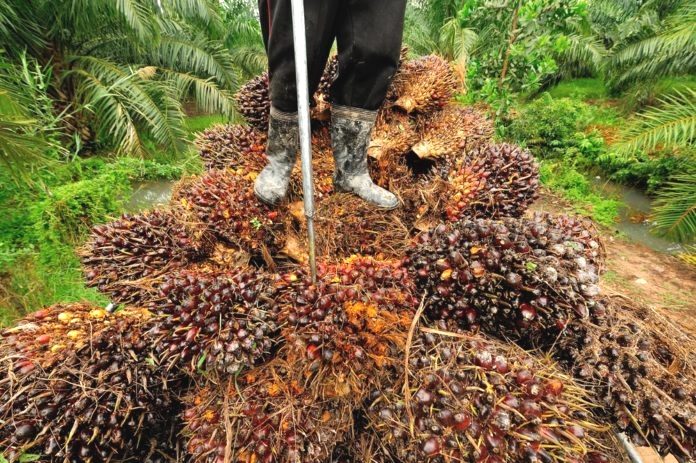
Ghana to become the regional top performer in palm oil production.

Ghana will displace Ivory Coast to become the lead exporter and earner of palm oil production in West-Africa for the next five years, according to Bloomberg and Fitch Solutions.

Ghana’s palm oil production will increase by an average of 4.4% year-on-year from 2021 to 2025, with the growth rate increasing at the end of that period.

“A number of recent establishments of both industry and government bodies to regulate and support the Ghanaian palm oil industry have improved the potential of the national sector compared with other countries in the region”, the report emphasized.

Already, the Ghana Export Promotion Authority and the Ministry of Trade are seeking to develop a palm oil surplus, from which they estimate $134 million could be earned within the next 10 years through exports.

The report added that “the Oil Palm Development Association of Ghana (OPDAG) was revived in 2015, and is currently being supported by Solidaridad in a strategic plan to improve its governance and administration by 2024. OPDAG aims to increase the productivity of Ghana’s palm oil sector, whilst also addressing the challenges of land access (attracting investment by making it easier to acquire new land), trade malpractice (especially smuggling of vegetable oils into Ghana), and sustainability.”

The government also recently provided support for the sector in multiple ways, which Fitch Solutions and Bloomberg believe will incentivize further investment in the coming years.

The establishment of the Tree Crop Development Authority, aimed at improving the policies and programmes set by the government to promote the production of six tree crops, including palm oil, is also a booster.

“Palm oil was excluded from a 50% cut in the benchmark value on imports in 2019 after OPDAG argued that the cut would negatively affect Ghanaian producers. With the New Patriotic Party (NPP) having maintained their rule during the December 2020 election, we expect these policies to continue”, it stressed.

However, despite the recent developments in the Ghanaian palm oil sector, production growth will fail to meet demand growth.

Also, West Africa will not become a major global supplier of palm oil in the coming years, with the top producers remaining in South East Asia.

Source:Goldstreetbusiness.com

Ad article

LIFESTYLE: Amazing medicinal benefits of ginger

Ginger has been added to almost all culinary dishes in many traditional cultures around the world because of its numerous healing capabilities. It may be curbing nausea and countering inflammation, you name it, and ginger can save you from a load of health problems.

Most Asian and Indian cuisines use ginger in most of their dishes because it can prevent loss of appetite, motion sickness, and a natural pain reliever. The root of the ginger plants is eaten fresh or sometimes powdered in the form of dry spice and is part of the cardamom and turmeric family. This means that ginger is a spice unlike being treated as a vegetable by most Indians.

Reduces Cold and Flu.
Winter is the best climate to sip a hot cup of ginger tea and this will automatically stabilize your body condition and keep you warm. It enables you to sweat once you consume it and this is said to be good for your body. So, if you are suffering from a bad cold and flu all you need to do is to prepare some ginger tea and you will feel better in no time.

Good for Your Heart.
Ginger is good for your heart such that it reduces cholesterol and lowers your risk of having any sort of blood clots. Most importantly, it regulates blood sugar levels. Ginger can in the future become an integral medicine for treating diabetes and heart diseases. So, a little bit of ginger added to your everyday diet can work the trick of keeping your heart healthy.

Treats Inflammation.
Inflammation is said to be the process wherein white blood cells protect us from infection and viruses. But sometimes this may go wrong and cause severe joint pain and so forth. In this process, your body’s immune system begins to cause damage to its own tissues thus resulting in inflammation. Ginger consists of anti-inflammatory components and antioxidants that can cure inflammation.

Prevents Cancer.
According to a study by the British Journal of Nutrition, researchers found that ginger was very effective in blocking prostate cancer cells and their growth. However, due to its anti-inflammatory properties, it is able to reduce your risks of having cancer.

Ginger Improves Brain Functionality.
The anti-inflammatory properties available in ginger can also keep you alert and helps in good brain functionality. It basically increases your presence of mind. Ginger root can improve cognitive function as per a study by the Evidence-Based Complementary and Alternative Medicine.

Treats Muscle Pain.
Ginger is said to cure muscle pain and all you need to do is to consume 2 grams of ginger may it be in the form of powder or paste, you will witness the difference within 11 days. Also, it is advised that you conduct some simple elbow exercises in order to experience speedy relief. It may not have a faster impact, instead, it is a much safer way in which you can stay away from side-effects that western medicines offer.

Treats Severe Indigestion.
Severe indigestion is also called chronic digestion or dyspepsia that involves re-emerging pain and severe discomfort in the upper part of your stomach. If your stomach does not empty itself soon, it causes indigestion and in this scenario, ginger can empty your stomach faster and prevent indigestion. Ginger soup can do the trick and can help you empty your stomach within 20 minutes after consumption.

Prevents Nausea.
If you have a vomiting sensation then you need to ginger as a natural home remedy to prevent it. All you need to do is to chew some raw ginger or simply sip some hot cup of ginger tea and this will cure you of nausea and reduce your risks of having cancer. If you are suffering from nausea due to motion sickness, then ginger again plays the trick. The best part about ginger is that it is best to use even when you pregnant and it prevents nausea quite well.

Ginger Protects the Liver.
Ginger is said to protect you from harmful chemicals that can hurt your liver. It also reduces the risks of your liver from aging. There are heavy metals and drugs that get sediment on your liver and ginger is said to wash it away. Most importantly it protects your liver from damaging and scaring.

Ginger Reduces Menstrual Cramps.
The pain that a woman goes through during her menstrual cycle may be unbearable for some, but ginger can succumb to that pain. It is said that 1 gram of ginger a day can ease the menstrual cycle if taken for a continuous 3 days.

Ginger Reduces Cholesterol Levels.
Ginger is said to reduce cholesterol that is linked to having a high risk of heart diseases. However, if you want to reduce cholesterol then you need to consider adding 3 grams of ginger powder added to your food.

Ginger Can Kill Bad Bacteria.
Ginger has the capability to kill bad bacteria and viruses that are prevalent in the cellular structure. How good can it ever get to kill bad bacteria by just consuming some ginger? All you need to do is to add ginger to your everyday diet and you will witness the changes. Moreover, ginger can be consumed in raw form as well as cooked form. A little bit of ginger tea can do the trick.

Protects you From Alzheimer’s disease.
Ginger is said to be a preventive agent against Alzheimer’s disease and chronic inflammation including anti-aging. There are several studies that have conducted research on Alzheimer’s disease on lab rats and found that ginger is a good repellant to people suffering from Alzheimer’s diseases.

Ginger Protects DNA.
Ginger protects your DNA from getting damaged and causing deformity among newborns. Also, some researchers conducted a study covering 100 fertile men wherein they were given 500mg of ginger powder for a continuous 3 months and this had resulted in the increase of sperm quality. Thus, ginger is said to protect your DNA.

Ginger Treats Osteoarthritis.
Osteoarthritis is commonly found among most old people wherein people suffer from severe joint pain and stiffness in the joints. A study had employed 247 people as samples and gave them ginger extract. Shockingly, this has resulted in a reduction of joint pain. Also, a little bit of ginger, cinnamon, and sesame oil can helps in reducing the pain faced by osteoarthritis.

Source: medlife.com

Ad article

Bayer Crop to train 15,000 farmers.

Bayer Crop Science Ltd will provide training to 15,000 smallholder farmers in the country on advanced agricultural practices.

The training is a continuation of its “Better Farms, Better Lives” initiative, under which 100,000 farmers already got input support last year.

The latest training initiative titled “Farmers Capacity Development Project ” was launched on Sunday at BRAC Learning Centre in the city, organised jointly by Bayer and BRAC, said a press release.

Bayer in collaboration with BRAC will train 15,000 farmers this year to build their capacities in adopting modern agricultural practices.

Farmers will receive training on seed to harvest solutions; disease, pest management and also will get support for market linkages.

In the first phase of the programme, Bayer and BRAC will train the trainers, who will eventually train smallholder farmers.

Zahidul Islam, Managing Director, Bayer Crop Science Ltd, Bangladesh, said their long-term aim is to help smallholder farmers attaining higher crop yield.

“We opt the peasantry use their farms as a source of sustainable income rather than just a means to survive,” he said.

He also said that they are going to conduct a third-party impact assessment this year to evaluate the Bayer initiatives in terms of food security and livelihood support for smallholder farming communities in Bangladesh.

In the Aman and Boro seasons last year, Bayer supported 100,000 smallholder farmers who faced challenges amid the coronavirus pandemic.

The farmers in 242 Upazilas under 59 districts received a 1.0 kg pack of Bayer’s “Arize” hybrid rice seeds free of cost.

The Department of Agriculture Extension (DAE) was the implementing partner of the seed distribution programme in 2020.

Launched in 2020, Bayer’s global initiative – ‘Better Farms, Better Lives’ has so far supported over 2.0 million smallholder farmers in Asia, Africa, and Latin America, with free ‘Better Life Farming’ care packages.

These packages are tailored for farmers’ local needs which include a combination of Bayer’s hybrid seeds, crop protection products, personal protective equipment, and safety and training materials.

Source: financialexpress.com.bd

Ad article

The Ministry of Food and Agriculture (MoFA) sets to implement the “National Fertilizer Expansion Programme.

The Ministry of Food and Agriculture (MoFA) has set out to implement the “National Fertilizer Expansion Programme. The aim of the Ghana FertilizerExpansion Programme (GFEP) is to operationalize the existing National Fertilizer Policy and Regulations and shall build on other ongoing initiatives resulting in increased crop yield and jobs across the country.

The GFEP is hinged on four pillars which are; to develop the Fertilizer Industrial Sector of Ghana; to develop the entire fertilizer value chain through improved agronomy services, training, farmer education, and develop soil fertility maps and formulas to customize fertilizer application; to optimize or reduce the cost efficiencies along the fertilizer value chain and to drive fertilizer consumption by our smallholder farmers.

To realize this goal, the Ministry of Food and Agriculture (MOFA) with support from the Alliance for a Green Revolution (AGRA) recruited consultants to develop a 5-year Strategic Plan for the “Ghana Fertilizer Expansion Programme (GFEP)”.

The consultants have subsequently submitted a draft strategy to the Ministry of Food and Agriculture awaiting its validation and finalization before implementation.

Ad article

LIFESTYLE: Don’t bath for bathing sake but bath for these reasons.

photo credit: essence

Bathing has a long and detailed history. Submerging ourselves in water, whether in a bathing receptacle or in a natural body of water is something we do for both personal hygiene, leisure, and health. There is nothing more enjoyable than going for a swim in the ocean on a warm day or having a hot fragrant bath in the cooler months.

Regardless of the temperature, the benefits of taking a bath have been scientifically proven and can ensure optimal health of the mind and body.

HERE ARE THE HEALTH BENEFITS OF TAKING A BATH:
Bathing can improve heart health

Although bathing in high temperatures can put unnecessary strain on your heart, especially if you have a pre-existing heart condition, taking a warm bath will make your heart beat faster and can give it a healthy workout.

Taking a bath may help you to breathe easier
Being immersed in water past your chest with your head out can have a good influence on your lung capacity and oxygen intake. There are two factors that contribute to this; the temperature of the water and the pressure the water places on your chest and lungs. When the water is warmer and your heart is beating faster, your oxygen intake can be improved and the steam created can clear your sinuses and chest.

Your brain and nervous system can benefit from bathing
Submergence in water can reduce pain and inflammation and also calm the nervous system, reducing the levels of stress and anxiety in the body and improving your mood. Hydrotherapy can help people who suffer from multiple sclerosis as the temperature and pressure of the water gently relieve the spine of pain and discomfort.

Bathing can benefit your muscles, joints, and bones
Stretching and moving in water has been shown to be a low impact on the joints, muscles, and bones, but very effective in providing an adequate workout through resistance. There is also less chance of injury for people who are at risk of falls, which makes aquatic exercise ideal for the elderly.

Take care of your blood and immunity with a bath
Not only does a warm bath make the blood flow easier, but it also makes it more oxygenated by allowing you to breathe deeper and slower, particularly when taking in steam. Taking a hot bath or spa can kill bacteria and improve immunity. It can relieve the symptoms of cold and flu.

Balance your hormones by bathing
Conditions such as chronic fatigue syndrome and some fertility issues can be assisted by bathing in colder temperatures. Hormones released by the pituitary gland such as an adrenocorticotropic hormone or ACTH and other hormones such as beta-endorphins and cortisol can become more balanced. Alternatively, warm water bathing can increase levels of serotonin, which is the chemical produced by the brain associated with happiness and wellbeing.

Bathing cleanses and moisturizes your skin, hair, and eyes
Exposure to the fluid through bathing and steaming is a great way to ensure hydration of the body in all aspects. The human body is made mostly of water and that is why we are encouraged to drink plenty of it. But soaking in it is also extremely beneficial. We can enhance this by adding certain oils or salts to a bath or bathing in a natural body of water or pool, rich in naturally occurring minerals.

Your core body temperature will be optimal through bathing
There is no quicker and more pleasant way to regulate your body temperature than through bathing. On a cold day, taking a hot bath or spa is sure to warm you up. Going for a cold ocean swim in the height of summer is undeniably the best way to cool off.

Evidence has shown that bathing, whether in cold or hot water; at home in a vessel or out in a natural body of water can have many health benefits without adverse effects. However, it is advised that a health professional is consulted if pre-existing health conditions or diseases are present before embarking on any form of hydrotherapy.

Source: pmaonline.com

Ad article

PULA raises $6m in Series A to help derisk Smallholder Farmers in Ghana and across Africa.

Ms. Rose Goslinga Co-Founder and Co-Chief Executive Officer at PULA, an African Agricultural Insurance, and Technology Service Provider has revealed that PULA has closed a $6m Series A fundraiser to support the expansion of PULA in Asia and Africa by providing yield and animal insurance for Smallholder farmers across Africa and Asia.

The Co-Founder said the Series A fund was raised by TLcom Capital with the support of Women’s World Banking.

“The new investment will be used to scale up operations in the company’s existing 13 markets across Africa; PULA has impacted over 4.3 million farmers on the continent and the new funding will also help propel its expansion into Asia to power resilience and profitability for Asian smallholder farmers” she indicated.

Speaking on the new fundraise, Ms. Goslinga pointed out that with the outbreak of COVID-19 pandemic across the globe; smallholder farmers need assurances now more than ever, and having TLcom Capital and Women’s World Banking along this resilience journey, opens up many more opportunities.

“When Thomas and I launched Pula in 2015, we had one goal in mind to build and deliver scalable insurance solutions for Africa’s 700 million smallholder farmers, and with our latest funding; it’s time to break into new grounds.

In our five years of operation, we’ve built strong traction for our products, but the fact remains that across Africa and other emerging markets, there are still millions of smallholder farmers with risks to their livelihoods that have not been covered” she said.

She added that apart from the Serie A announcement, Pula at the end of the year secured an Insure resilience Grant in partnership with Ghana Agricultural Insurance Pool.

The Co-Founder indicated that the Ghana Insurance project aims to provide affordable yield risk insurance solutions to farmers by bundling insurance on inputs the farmers intend to use during the 2021 planting season.

“Our Insure resilience project will promote agricultural insurance solution among the Ghana farming communities. This will help increase the resilience of smallholder farmers vulnerable to climate change while contributing to food security which has been severely affected as a result of the economic impact of the COVID-19 pandemic” she added.

Managing Partner and Founder at TLcom Capital, Maurizio Caio, explained that the potential for the insurance market for smallholder farmers in Africa is huge and under the leadership of Rose and Thomas, PULA has rapidly established a strong presence throughout the continent with a number of high-profile clients on their books.

“We found a company addressing a hugely underserved market in one of Africa’s key drivers of growth, an opportunity for major economic upside. We are confident of PULA’s potential for growth in spite of the pandemic and look forward to partnering with them as they execute the next phase of their journey” he said.

Chief Information Officer at Women’s World Banking, Christina Juhasz said that Women’s World Banking is delighted to partner with PULA Advisors in providing them financial safety nets against the risks of pests, disease, and climate change.

“Given the legions of women engaged in smallholder farming; securing the food supply for communities around the globe has become difficult because of the economic impact of the COVID-19 pandemic,” she said.

Story by: Nana Yaw Reuben Jr.

Ad article

LEFESTYLE: health benefits of hot pepper you need to know.

photo credit: healthline

Adding hot peppers, hot sauces and hot powders to food continues to protect us from food poisoning even though we now refrigerate food. To maximize these health benefits, eating the hottest pepper would magnify these effects.

Below are 10 health benefits of hot peppers

Benefits the Digestive Tract
This may sound counter-intuitive, but the capsaicin in peppers actually acts as an anti-irritant. People with ulcers have been told for years to avoid hot spicy foods, but research has revealed that peppers are beneficial to ulcers.
For example, pepper powder provides trace amounts of antioxidants and other chemicals to aid digestive issues such as healing an upset stomach, reducing intestinal gas, curing diarrhea, and acting as a natural remedy for cramps.
It does this by reducing the acidity in the digestive tract that causes ulcers. It also helps produce saliva and stimulates gastric juices aiding digestion.

Promotes a Healthy Heart
It also aids the circulatory system and prevents heart disease by lowering blood serum cholesterol and reduces lipid deposits, and therefore, reverses excessive blood clotting. It also dilates the blood vessels to aid in blood flow.

Mitigates Migraines
Have you ever had a pain on a body part that was your sole focus until you had another pain that was even worse? The original pain simply disappeared when your brain focused on the new injury.
This phenomenon is what happens to migraine when you consume hot peppers. Your body becomes desensitized to the migraine and the overall sensation of pain is lessened.

Relieves Joint Pain
Due to the powerful pain-relieving properties of the capsaicin from peppers, it can be applied to the skin to reduce the chemical P, the ingredient that carries pain messages to the brain.
Ultimately, the pain receptors exhaust themselves by depleting the body’s reserves. Once this happens, the capsaicin acts as a pain reliever.
It is used effectively for shingles, HIV neuropathy, and other types of pain.

Improves Metabolism / Promotes Weight Loss
Spicy peppers rev up the metabolic rate by generating the thermogenic processes in our body that generates heat.
That process utilizes energy, and thereby, burns additional calories. In addition, if hot peppers are consumed at breakfast, the appetite has suppressed the rest of the day which ultimately helps in weight loss.
It may even alter proteins in your body to combat fat accumulation.
Capsaicin also has been studied as a holistic method for weight loss. It will selectively destroy nerve fibers that send messages from the stomach to the brain.

Quells Psoriasis
Psoriasis is an itchy skin condition resulting in ugly skin patches. Capsaicin cream will significantly reduce the number of cells replicating and aids in the reversal of the auto-immune skin lesions.

Reduces Cancer Risk
Since the capsaicin in pepper flesh has antioxidant and anti-inflammatory properties, it is being studied as a cancer-fighter. It reduces the growth of prostate cancer cells while leaving normal cells unharmed.
Research also shows consumption of large quantities of peppers effective against breast, pancreatic, and bladder cancers. (8 large habaneros per week)

Fights the Flu, Colds, and Fungal Infections
Hot peppers are chalked full of beta carotene and antioxidants that support your immune system and will aid in fighting off colds and the flu.
Research has found that nasal sprays containing capsaicin reduce congestion.

Increased body temperature from the ingestion of hot peppers triggers the immune system into action in fighting the norovirus (cold), flu viruses.
Consumption of peppers fights against 16 fungal strains by reducing fungal pathogens.

Prevents Bad Breath
To keep your significant other attracted to you, eating hot pepper powder acts as a disinfectant to the air you breathe out by improving the odor of your breath.

Prevents Allergies
Due to the anti-inflammatory benefits of capsaicin, hot peppers can help prevent allergies and symptoms from allergies.

Source: pepperhead.com

Ad article

LIFESTYLE: Amazing health benefits you should know about dawadwa/African locust bean.

Africa is a blessed continent to have such a tree of great importance because of the herbal and food benefits is associated with Dawadawa\African locust bean tree and by-product. It is a good source of income for rural dwellers in Africa as everything within the dawadawa\African locust bean tree is of great importance.

African locust bean has been put on research and tested to find the impacts and it is shown that it can control blood pressure because it helps in reducing arterial blood pressure when you eat the right quantity. It is also a good substitute for spicy or seasoning cubes and contains tannin and astringents substances found in many plants.

Good vision.
Due to the natural ingredients and nutrients found in African locust bean, therefore, consuming it will help to have a better vision especially for people with eye issues like cataracts, minus eyes, and myopia.

It can treat stroke.
A stroke is when the blood supply to the brain is suddenly interrupted which is fatal. Research shows that consuming a good amount of African locust bean will definitely help you against such sickness.

Reduce cholesterol.
Cholesterol which can cause some blockage within the blood vessels can lead to heart issues. Eating locust beans can help your body control the amount of cholesterol found in our bodies.

Treat Diarrhea.
Because of the amount of tannin found in African locust bean, it will heal diarrhea, which is a gastrointestinal disorder with the symptoms of frequent watery bowel movements. Consuming African locust beans will help you relieve diarrhea.

Treat hypertension.
Hypertension also referred to as high blood pressure occurs when is a long-term medical condition in which the blood pressure in the arteries is persistently increasing above the normal level. Therefore consuming a good amount will help people with hypertension.

Helps control blood sugar level.
The human body requires sugar to produce enough energy but it should be stable otherwise if unstable of high will cause diabetes. Therefore consuming African locust bean will help you control blood sugar level.

Improve digestion.
Eating a good amount of African locust beans can improve digestion. Good digestion will give you a healthy body as the excretion process in the body will be facilitated which will prevent constipation.

Healthy weight.
Underweight is not healthy and vice-versa which is sometimes not easy to be normal weight or just gain weight for underweight. Eating African locust bean will help you gain weight in a natural way.

Heal Wounds.
As mentioned above it can be used to treat ulcer wounds internally by eating the beans as well as external wounds. The leaves when pounded can be applied on wounds and the bean can be paste on the wound to heal the wounds.

Reduce Fever.
Consuming a good amount of African locust bean can reduce fever. It was traditionally used to reduce high fever which is still practiced in some rural African communities and also send away evil spirits because of its unpleasant smell.

African locust beans consist of many vital nutrients that are cherished by the body. Therefore consuming healthy African locust beans will give you good health.

Source:afrizar.com

Ad article

The slow pace of Ghana’s agriculture growth is not necessarily the result of Covid-19 – Prof. Irene Susana Egyir.

The Covid–19 pandemic has brought most countries to their knees, disrupting many economies leaving no one in its disruptive grip. These effects are severe to the extent that a lot of workers have lost their jobs and some of the countries have banned the exportation of food commodities into the international market.

However, the President of the Republic of Ghana, in the State of the Nation’s Address indicated that there was an abundance of food despite the effect of Covid-19. This postulates that Covid-19 has not necessarily affected Ghana’s agriculture as a lot of stakeholders are lamenting. This underscores the assertion by Prof. Irene Susana Egyir that the slow pace of agricultural growth is not necessarily occasioned by Covid-19.

Prof. Egyir made this revelation during her presentation at the 72nd Annual New Year School and Conference in Accra on the topic Sustainable Food Production and Resilient Agricultural Practice. Prof. Irene mentioned that the factors that are impeding agricultural growth are disregarding the several sources of food and non-food activities, non-ready workforce and responsiveness, and non-engagement of the necessary sectors to push the agenda of sustainable agricultural development.

According to Prof. Irene, last year, just before the lockdown, a survey conducted revealed that Ghanaians concentrated on few food crops such as gari, rice, and maize leaving behind the other food commodities like roots and tubers, fruits and vegetables, and the rest. “We have probably concentrated too much on too few food commodities and believe that agriculture is about these foods whilst there are a lot of unexplored sources that we could give enough attention to in terms of research, extension service, and all the things that are done for maize and rice”, she complained.

“Even in the livestock sector, the concentration has been on cattle, sheep, goat, and poultry but there are great opportunities in others like rabbit, aquaculture like catfish which I engage in. All that one needs is to have passion, a little amount of capital, and a good attitude”, she added.

She reiterated that if Ghana wants agriculture to contribute to the economic development then attention should be given to plantations such rubber, coffee, cashew, oil palm, coconut, etc which equally command huge foreign exchange just like cocoa.

Prof. underscored the availability of the needed materials for production on the market and how easily the materials that are not on the market could be imported but the issue lies with the human resource. The attitude of the agriculture training graduates on the field deters the rich and wealthy people from venturing into it.

To her, to actualize agricultural growth in Ghana, the youth who are the working force, ought to be available and exhibit the kind passion, the kind of good working attitude, and the kind of urgency towards work on the field.

“I agree that the young people are vibrant and they are available, therefore, we are calling on them to do more for they are the support system. Sometimes, it is sad to see the way the youth respond to things that ought to be done quickly on the field. On the field, there are health issues to manage: soil health, water health, plant health, post-harvest health, and food safety issues which require good human resource capacity, surprisingly, we are not seeing it in our workforce irrespective of the youth that is being trained”, She bemoaned.

Prof. is of the view that the folding of arms of the various sub-sectors that constitute agriculture is contributing to the slow pace of Ghana’s agricultural growth. She indicated that Agriculture is not only for the Ministry of Food and Agriculture, therefore, but all relevant state institutions should also step up to their tasks in terms of ensuring that machinery is available, the water bodies are available to used to develop the irrigation and one district one factory policy is being pushed in order to make the sector attractive to investors.

Ad article