The fishing sector, which millions of Ghanaians depend on, are at risk of collapse as a result of rampant illegal fishing and overfishing by Chinese-owned industrial trawlers, and a culture of corruption that has allowed these crimes to go unpunished, according to a new investigation from the Environmental Justice Foundation (EJF).
The EJF’s investigations blow the whistle on systemic bribery and intimidation, resulting in egregious human rights abuses on-board fishing vessels in Ghana’s waters, alongside shocking illegal fishing. EJF calls for cooperation and urgent action by the Ghanaian Government and its international partners to bring the industry out of the shadows, to avert the ecological and social crises, and secure sustainable, legal and ethical fisheries in the Ghanaian fleet.
Ghana is home to over 200 fishing communities, with almost 3 million people in the country reliant on small-scale fisheries for their livelihoods. These livelihoods are now at risk, in large part, because of illegal, unreported and unregulated fishing by the industrial trawl fleet. This is believed by EJF to be at least 90 percent owned by Chinese beneficiaries, flouting Ghanaian laws on foreign ownership.
The EJF has previously documented these trawlers illegally targetting small pelagic species – including those referred to as ‘the people’s fish’ – and selling them back to the communities who would have caught them, a practice known as ‘saiko’ fishing. This illicit trade was originally conducted at sea, largely under the cover of darkness. Trawlers transferred frozen blocks of fish to specially adapted canoes which went on to sell it to local markets.
Following the government’s action to halt the illegal trade in September 2021, this practice appeared to have stopped. However, instead of disappearing, the activity has only become more open. EJF investigators tracked large volumes of small pelagic species and juvenile demersal fish, placed in cartons and sold at the country’s major industrial port for onward distribution across the country.
The report draws on interviews with a Ghanaian crew who witnessed abuses first-hand and filmed evidence, a network of informants and analysis of vessel tracking data. All of those interviewed said that there was insufficient food on-board vessels, 94 percent had restricted access to clean water, and 81 percent had witnessed or experienced physical violence. Furthermore, 92 percent had seen fish illegally dumped at sea, 81 percent stated they had witnessed their captains illegally entering waters reserved for canoe fishers, 64 percent had seen the illegal targetting and capture of non-target species, and 53 percent testified to the use of illegally adapted fishing gears.
The picture which emerges, EJF claims, is one of systemic corruption enabling illegal fishing and human rights abuses to go unreported and unpunished in the country’s waters, with almost 90 percent of crew interviewed witnessing corruption from authorities. EJF believes that the web of corruption is so deep and entangled that sustainability and the defence of human rights is impossible without substantial reforms.
The Ghanaian Government, particularly the Ministry of Fisheries and Aquaculture Development, can reverse this and ensure sustainable fisheries; but it must act by building on its laudable recent positive actions to reform parts of the industry, according to the report.
Steve Trent, EJF CEO and Co-Founder, said: “In recent months, the Minister of Fisheries, Mavis Hawa Koomson, has taken several positive actions and these are to be applauded. However, the extent of illegal fishing and corruption in Ghana’s fisheries across its largely foreign-owned industrial fleets remains highly damaging, presenting a direct threat to the livelihoods and food security of millions of Ghanaians, and threatening the collapse of Ghana’s fisheries. The illegal targetting and landing of small pelagic species and juvenile fish completely undermines the livelihoods and food security of millions of small-scale fishers.
“Although the need to act is urgent, the Ghanaian Government can take practical, cost-effective measures to ensure sustainable, transparent fisheries. Stronger oversight actions to tackle illegal fishing and an end to illegal landings will have immediate, lasting benefits for all Ghanaians.”
India on Tuesday said it remains concerned by the deterioration of global food security which has been exacerbated by the war in Ukraine that has entered its tenth month.
India’s Deputy Permanent Representative Ambassador Ravindra made these remarks at the UN General Assembly on the topic of “Strengthening of the coordination of humanitarian and disaster relief assistance of the United Nations, including special economic assistance”.
“Sweden and India remain particularly concerned by the deterioration of global food security which has been exacerbated by the war in Ukraine,” ambassador Ravindra said in a joint statement on behalf of India and Sweden.
India and Sweden fully support the Black Sea Grain Initiative and welcome its extension by 120 days, as announced on November 17, which means that the export of Ukrainian grain, foodstuffs and fertilizer can continue from the Black Sea ports, he said.
Mr Ravindra noted that India has exported more than 1.8 million tons of wheat to countries in need, including to Afghanistan, Myanmar, to help low-income countries fight against price rise and shortage of foodstuff.
“The humanitarian system makes a difference in the lives of the most vulnerable people every day. It provides assistance to the people that are suffering the most. And it saves lives in some of the worst places across the globe. But we must ensure that 2023 is not the year that breaks the system. This is a shared responsibility,” he said.
The Indian diplomat also took note of the latest Global Humanitarian Overview report, which illustrates in detail, the humanitarian challenges the world is facing now.
Last week, the United Nations and partner organizations said the estimated cost of the UN humanitarian response going into 2023 is USD 51.5 billion, a 25 per cent increase compared to the beginning of this year.
According to the United Nations Office for the Coordination of Humanitarian Affairs (OCHA), next year will set another record for humanitarian relief requirements, with 339 million people in need of assistance in 69 countries, an increase of 65 million people compared to the same time last year.
“As noted by the Secretary-General, 2022 has been a year of extremes. The conflicts and tensions across the world have triggered unprecedented challenges to global food and energy security. The Covid-19 pandemic, natural disasters such as floods and climate change continue to cause and exacerbate humanitarian emergencies,” he said.
India’s deputy permanent representative said the 2023 Global Humanitarian Overview calls for USD 51.5 billion to bring life-saving support to 230 million of the most vulnerable people. “This is a formidable challenge for the entire international community, and one we cannot afford to downplay.”
Mr Ravindra raised concern about violence against humanitarian workers in armed conflict and the persistent shortfall in financing humanitarian appeals remains a challenge.
“Today, funding to the humanitarian system relies on too few donors. Currently, ten donors provide 90 percent of humanitarian funding. This is not sustainable,” he added.
Food security became a central priority for many emerging markets in 2022, against the post-Covid-19 pandemic backdrop of supply chain shocks, natural disasters and high commodity prices.
While the second UN Sustainable Development Goal, promulgated in 2015, aims to end hunger by 2030, the Economist’s Global Food Security Index (GFSI) has fallen consistently over the last three years from a peak its 2019.
As of 2020, some 2.4bn people – approximately 30% of the world’s population did not have access to adequate food sources.
Faced with these realities, several emerging markets have begun to take innovative steps to increase food security on a national, regional and global level.
Indeed, the fifth day of the COP27 UN Conference on Climate Change in Sharm El Sheikh, Egypt, which took place in November 2022, focused on adaption and agriculture, aiming to boost the resilience of food systems in the face creases climate-change-driven natural disasters, most notably flooding in Pakistan and West and Central Africa.
Disaster resilience.
While the pandemic highlighted the importance of global supply chains and Russia’s invasion of Ukraine exacerbated these problems, climate change-driven disasters – especially drought and flooding – caused the most damage to global food security in 2022.
Significant funding will be needed to help emerging markets develop disaster-proof agriculture sectors.
According to a 2021 report by the Global Centre on Adaptation, sub-Saharan Africa will require $15bn in annual investment to adopt climate-change resilient food and agriculture systems.
The cost of inaction, however, would amount to as much as $201bn per annum, according to a 2021 report by the Global Centre on Adaptation.
Spearheaded by the African Development Bank (AfDB), the Africa Climate-Smart Agriculture Programme for Food Security, Adaptation and Mitigation in Africa 2018-25 aims to increase climate-smart agricultural practices across the continent, with the AfDB pledging to mobilise $25bn in financing between 2020 and 2025.
Some emerging markets are turning to technology to combat flooding, which has destroyed an estimated $21bn in agricultural products and livestock globally over the past decade.
Malaysia has become a world leader in deploying forecasting and monitoring technologies, with the country’s Department of Irrigation and Drainage rolling out its National Flood Forecasting and Warning System at the end of 2022.
Flood-resistant crops, such as the Submarino rice widely planted in the Philippines that can survive up to 14 days under water, have also helped limit food losses.
Floating farms provide further insurance against rising water. More than 6000 farmers in the deltas of south-western Bangladesh have begun growing fruits and vegetables on rafts of invasive hyacinths.
In a similar vein, farmers in Mexico revived the use of chiampas, farm islands that have been built on the shallow lakes near Mexico City for more than 700 years, to grow produce during pandemic-induced market closures.
Meanwhile, in more arid climates, the Kuwait Institute for Scientific Research and the International Centre for Biosaline Agriculture in Dubai are researching how to develop drought- and saline-tolerant crop varieties.
Securing supply.
While climate-smart agriculture seeks to protect and increase yields, regional trade agreements and agro-processing developments are making food more accessible and affordable.
Following trade disruptions at the start of the pandemic, the GCC adopted a Kuwaiti proposal to set up special arrangements at border control and Customs posts that will facilitate the movement of food and medical supplies within the six-member bloc.
Elsewhere, the African Continental Free Trade Area (AfCFTA), which launched in January 2021, serves to facilitate cross-border trade for a market of more than 1bn consumers. Once AfCFTA has been ratified by all signatories, the continent will become the largest free trade area in the world.
According to the UN Economic Commission for Africa, by 2040 AfCFTA is projected to increase inter-Africa trade by 40-50%, making regional agricultural supply chains more resilient to the effects of climate change.
Domestic agro-processing can help some emerging markets capitalise on the value of their existing production levels while reducing the need for imports.
Looking to boost employment and value creation, Nigeria has turned to agro-processing to fuel economic expansion. Processing agricultural products in-country will also help lower food prices in the long term, which weigh on consumers despite agriculture comprising some 25% of GDP.
On a global level, the June meeting of the World Trade Organisation in Geneva saw a lifting of export restrictions on foodstuffs purchased for non-commercial humanitarian purposes by the UN World Food Programme, as well as an agreement to curb subsidies for illegal, unreported and unregulated fishing, which threatens global fisheries.
Innovations in agri-tech.
A focus on agri-tech, water management and green energy characterises much of the move to bolster food production. Improvements in agricultural inputs and increased access to agri-tech have helped limit declines in the 2022 GFSI, with all regions besides sub-Saharan Africa performing above the global average.
In Africa, funding for agri-tech start-ups has risen from $4.3m in 2016 to $95.1m in 2021, with an increase of more than 60% occurring between 2020 and 2021. There are around 280 agri-tech companies on the continent that provide services ranging from manufacturing drones for agricultural purposes, to offering e-commerce platforms that connect farmers to vendors and distributors.
Russia’s invasion of Ukraine has underlined the importance of agricultural self-sufficiency, as it threatens some 29% of the world’s wheat supply, as well as a significant amount of the global supply of barley, maize and cooking oil.
The conflict has had an outsized impact on MENA countries due to the region’s dependence on imported food products.
Prior to the pandemic, GCC countries imported roughly 85% of their food.
Between government plans and start-up solutions, various MENA countries are working to bolster food security.
The Saudi Arabia’s Sustainable Agricultural Rural Development Programme 2018-25 and the Qatar’s State Food Security Projects 2019-23 plan are notable examples of public sector steps to ensure self-sufficiency.
According to Qatar’s roadmap, the nation aims to be 70% self-sufficient in eggs and greenhouse-produced vegetables, 95% self-sufficient in fresh fish, and 100% self-sufficient in fresh dairy products, poultry and shrimp by 2023.
Greenhouse infrastructure is a vital agricultural innovation in MENA, where arable land makes up less than 5% of the land area of most countries. The UAE in particular is looking to scale up its vertical-farming infrastructure, which offers a method for growing food in urban environments.
As food production accounts for 90% of freshwater usage, water scarcity poses a direct threat to food security.
Due to climatic conditions, all GCC members are seeking to boost their desalination capacity − often using renewables to lower costs and increase efficiency. China is taking a similar approach following a summer heatwave and drought.
In March the World Bank approved a $180m loan to Morocco to bolster water governance and irrigation technology, a programme set to help 16,000 farmers meet their water needs.
In Kuwait, a sustainable farm project is under way to reduce freshwater usage and increase output via technological innovation. The site, which is set for completion in 2025, will house solar-powered greenhouses, lakes for aquaculture and a recycling unit for agricultural waste.
Sustainable foods
Emerging markets are also promoting the adoption of a range of alternative foodstuffs, many of which offer a smaller carbon footprint.
The plant-based meat industry, for example, is projected to generate $16.7bn in revenue by 2026, led by start-ups such as Thailand’s NR Instant Produce, Brazil’s Fazenda Futuron and Chile’s NotCo.Insect farming has significant potential in emerging markets, with 1 kg of insect protein requiring 10% of the water, energy and space and producing 1% of the greenhouse gas emissions of the equivalent amount of beef.
The cultivation of the black soldier fly for use as livestock feed in Kenya has improved returns and reduced dependence on feed imports, while Colombia is considering subsidising the practice to cut down on the illegal cultivation of coca leaves for cocaine production.
Aquaculture is another vital way to bolster food security in emerging markets, especially for products such as shellfish and seaweed, which require little space, no freshwater and remove carbon from the environment as they grow.
Aquaculture activity in sub-Saharan Africa has grown by 11% per year since 2000 – twice the global average of 6% − offering employment and sustainable food systems to a region with high rates of poverty and food insecurity.
The World Wildlife Fund projects that global seaweed aquaculture could expand by as much as 12% per year. Projects such as the Netherland’s Kelp Blue, a start-up aiming to plant sweeping forests of kelp off the coast of Namibia, and India’s Sea6 Energy, which focuses on tropical seaweed farming using a mechanised catamaran for harvesting and seeding, could expand the production of edible seaweed beyond its traditional markets in East Asia.
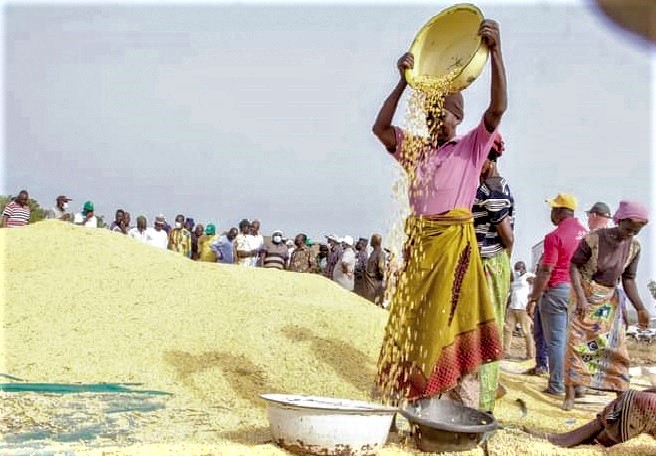
The Ministry of Food and Agriculture issued a ban on a number of agro-commodities, and the Chamber of Agribusiness Ghana (CAG) and its partners have been keeping an eye on the situation surrounding the ban since it was issued.
The Chamber of Agribusiness Ghana is conscious of the fact that as a consequence of all of this ban, not only have exports of soyabeans and rice increased, but also a number of rice mills and soyabean processing factories have been deprived of the essential raw materials for their production processes as a result.
Local poultry farms are equally short-changed in this impasse. Unfortunately, CAG has also taken note of a letter that was issued by the Ministry of Food and Agriculture granting permission to some businesses to export same grains that were barred out of the country while the BAN was still in force.
There are commodity offtakers who invest in farming of these grains. They provide inputs, credits and machinery. Therefore, a universal ban by government will deprive these offtakers of their investments and farmers, the needed supports.
The Chamber of Agribusiness Ghana thus recommend to government to give exemptions to these legitimate investors in our grains sub-sector.
The ban needs to be targeted to protect investments and guarantee supports to grain farmers across the country. The implementation of export ban risks being merely a theoretical exercise rendering it meaningless in the absence of appropriate procedures to ensure that they are followed.
It is necessary for the Ministry of Local Government and Rural Development to enact a bye-law that makes it illegal for individuals and businesses located outside of the country to purchase raw materials at farm gates.
It is imperative that the Ministries of Agriculture, Trade, and Rural Development (MOTI/MoFA/MLGRD) collaborate with other relevant private sector stakeholders, other government agencies, and private companies in order to establish a legal framework through which international traders can conduct business with our smallholder farmers.
Additionally, MoFA is obligated to make credit accessible to agro-processing firms so that they can purchase these materials for storage. With the rising cost of living, transportation, energy costs and inflation, CAG is deeply concerned that the ban may result in the build-up of a black market, especially if government does not negotiate adequately with the farmers, and key stakeholders.
Eliminate the current system that is in place at GIPC, which allows investors to purchase agricultural lands, take advantage of our fertile soils, exploit workers, and then export the produce back to their countries, thereby depriving the local agro-processing industry and domestic consumers of these products.
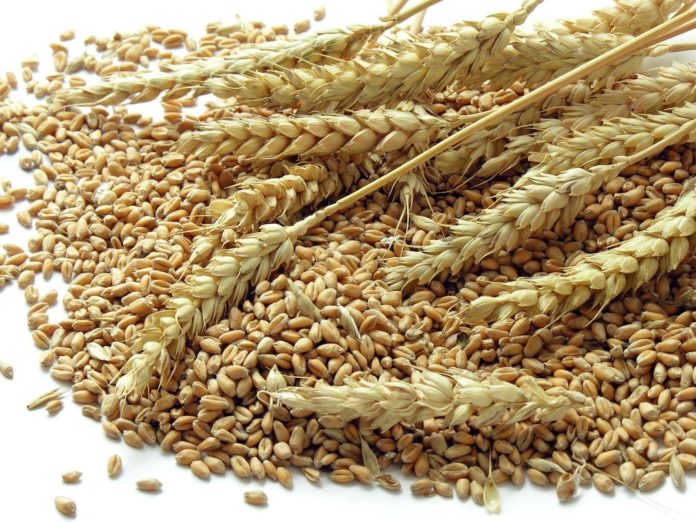
In order to prevent the exploitation of our agricultural lands and food production systems, the time has come to empower existing institutions and agencies such as the Ghana Grains Council (GGC) and the Ghana Commodity Exchange (GCx) to act. Thus, the GGC can implement its standard grain pricing regime via GCx; where all grain trades, including those involving soyabean, take place on GCx. Farmers can apply for loans/credits using their soyabean and grain inventory as security thanks to the GGC/GCx warehouse receipt system.
CAG recommendations to enforce the ban and improve grain trade:
1. In regulating prices, this should be solely done by the actors in the value chain and announced by government or the commodity exchange companies.
2. Current committee on soyabean/grain trade excludes the real actors. Engage key grain value chain stakeholders in policy decisions.
3. GRA should rather leverage on tax as a tool to discourage export.
4. MoFA and Customs should take advantage of technology to enforce the ban.
5. If foreigners are able to support farmers to produce grains, what is preventing government from replicating same? Government needs to be intentional in investing in the grains sub-sector.
6. Weed out politically-connected Ghanaians who connive with foreigners to flout the ban.
7. Government must empower GCX and financial institutions to expand the warehouse receipt system to streamline trading of these commodities.
8. The GGC/GCx should from next year publish monthly price monitor for grains. This will provide farmers competitive price regime to trade their produce.
9. Local poultry farms and agro-processing factories should support grain farmers by deliberately investing in the grain production.
Appreciation Chamber of Agribusiness Ghana thank our partners and stakeholders who provided information and granted interviews on this issue.
We particularly thank Mr. Yaw Ohemeng Kyei the President of the Commodity Brokers Association of Ghana (CBAG), Anthony Morrison, CEO of the Chamber of Agribusiness, Organic Farmers Association of Ghana, Kwashie Darkudzi, Chairman of Darsfield Village Farms and Outgrowers; the Policy and Research Bureau, Chamber of Agribusiness Ghana, Christian Sewordor (CAG), Courage Besa-Adanu (CAG), Elorm Allavi (CAG) and Kofi Kyeremanteng Nyanteng (CAG).
The Centre is merging several schemes to develop the “world’s largest grain storage” scheme amid global food disruptions in the wake of the war in Ukraine and the Covid-19 pandemic.
Schemes under ministries including the ministry of agriculture and farmers welfare, consumer affairs, food and public distribution and food processing will soon be merged, a report by Mint stated.
The disruptions in food supply and high prices have increased food securityconcerns in several countries. Ukraine and Russia are among the world’s largest suppliers of wheat, barley and fertilisers. India, despite having large arable land, suffers from low productivity.
“We have been lagging behind in terms of stored grains and storage capacity. So now, the government is trying to ramp up. The most important thing in the storage plan will be to see if it’s going to be modern storage or if the old system will be followed, where each man carries a sack and builds a storage pyramid.
A mechanised system is far more transparent and much more modern. We don’t even have 2 million tonnes of storage in silos.
The storage plan has been in the works for a long time, and it’s only now the government is trying to implement it,” Ashok Gulati, agricultural economist and former chairman of the Commission for Agricultural Costs and Prices, told Mint.
India’s cereal stocks, held by the Food Corporation of India (FCI), fell to a five-year low in 2022. The storage capacity varied from 75 million tonnes (mt) to 85 mt in 2022.
The Centre also extended its free foodgrain scheme, Pradhan Mantri Garib Kalyan Anna Yojana, till December 31. Its total expenditure stands at Rs 3.9 trillion.
“It is a good idea to merge the schemes under which a grant is provided by the government of India for the creation of storage capacity through traditional warehouses, silos and cold storages.
However, it must be noted that the state governments also contribute to most of the centrally sponsored schemes to the extent of 40 per cent.
The real benefit of such storage will come only if there is compulsory registration of warehouses with the Warehousing Development and Regulatory Authority,” Siraj Hussain, a former agriculture secretary, told Mint.
At the recent G20 summit in Bali, Prime Minister Narendra Modi said that the current fertiliser shortage could endangerfood security.
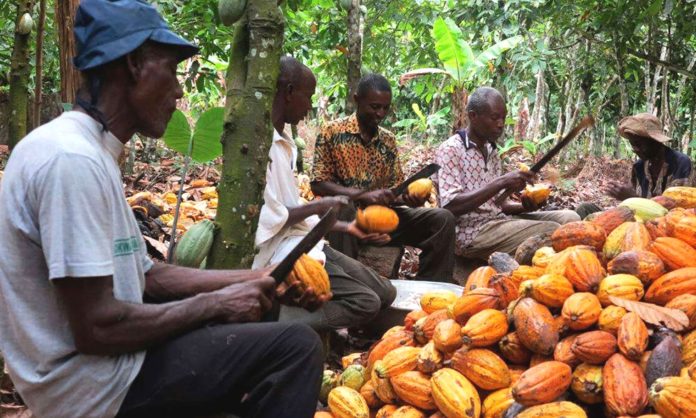
In 1879, Ghana planted our first cocoa tree. In the 2018–19 and 2019–20 cocoa seasons, respectively, Ghana produced 812,000 and 850,000 metric tonnes of cocoa. The entire global cocoa value chain is estimated at $100 billion. Ghana and Ivory Coast produce about 70% of the world’s cocoa beans and earn 3% of the industry’s $100 billion in revenue (this is not promised though).
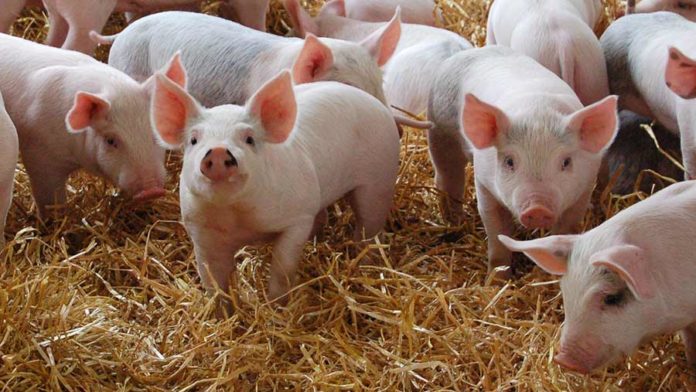
Ashanti Regional Pig Famers Association of Ghana (PFAG) has once again announced an upward adjustment in prices of its products (Pork) from GHS18 to Ghs22 effective December 1, 2022.
According to Philemon Kwabena Ampongsie, Ashanti regional Secretary of PFAG, the hike is as a result of high cost of production.
Mr. Ampongsie made the announcement during a press briefing in Kumasi.
He indicated that prices of production including pig feed keeps rising and as a result negatively affecting their businesses.
This, he noted has necessitated the upward adjustment to salvage their business.
He appealed to the public to bear with the Association by accepting the marginal increase as efforts are being made to grow the pig farming industry.
The Former Chief Executive Officer of the Ghana Chamber of Bulk Oil Distributors, and astute farmer, Senyo Hosi has called the government’s 2023 Budget Statement a mere exaggeration lacking factual substance as it failed to provide solutions to the economic hardship.