Recent global headlines regarding infant nutrition have caused understandable anxiety for parents across Ghana.
It follows a voluntary and precautionary recall of several batches of Nestlé baby formula due to potential health risks. Although Nestlé Ghana has stated that products sold through official channels are safe, the presence of unregulated trade routes means that parents must stay incredibly alert.
This explainer highlights why the grey market of unofficial imports poses a real threat to your child’s health and what you can do to stay safe.
Why the recall? What’s the danger?
The international recall was triggered by concerns over contamination with cereulide, a toxin produced by the bacteria Bacillus cereus. If an infant consumes formula containing this toxin, they may suffer from food poisoning, with the most common symptoms being nausea and vomiting.
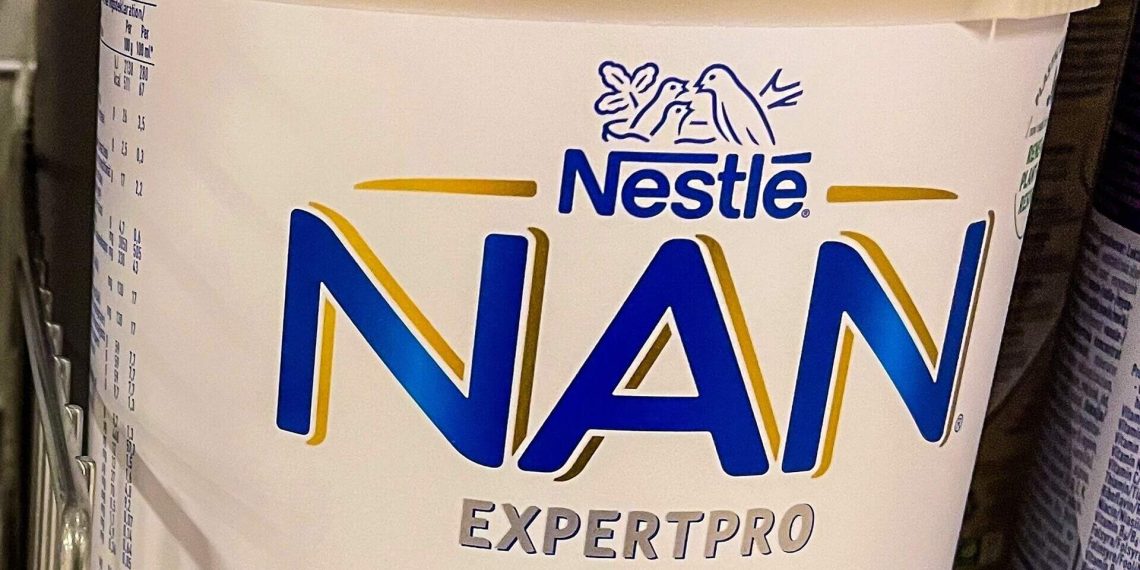
The recall is wide-reaching, affecting specific batches of SMA, NAN, BEBA, and Alfamino products in Europe, Asia, the Americas, and parts of Africa.
In a neighboring example, the South African consumer commission recently pulled a specific batch of NAN Special Pro HA from its shelves due to these same toxin concerns.
Ghana’s Porous Border Problem
Nestlé Ghana and the Food and Drugs Authority (FDA) have been quick to reassure the public that officially registered products specifically SMA Gold 1–3 and NAN Optipro 1–3 are not part of the affected batches and remain safe for your baby.
However, these assurances only cover the official supply chain. Ghana is known for its porous borders and a high volume of informal or unregulated trade. Even if the formula in the local supermarket is safe, these unofficially imported batches could slip through the gaps in our trade borders.