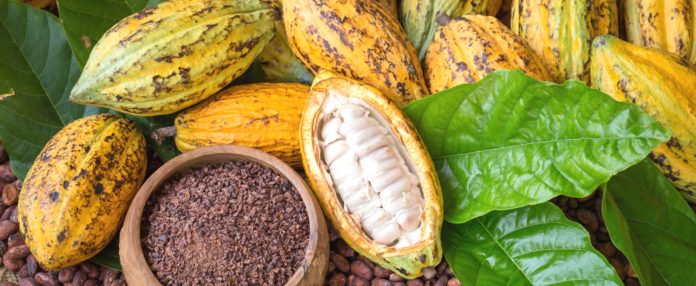
Ghana and Ivory Coast are said to cancel all cocoa sustainability schemes run by American chocolate manufacturing giant – Hershey – within their jurisdictions, according to reports by Reuters News Agency.
The chocolate-maker is allegedly accused of attempts at avoiding the payment of the Living Income Differential (LID), a $400 per tonne poverty alleviation fee imposed by Ghana and Ivory Coast on their produce in 2019 and paid directly to millions of poverty-stricken cocoa producers.
“In a letter addressed to Hershey and seen by Reuters, the Ivorian, and Ghanaian cocoa regulators accuse Hershey of sourcing unusually large volumes of physical cocoa on the ICE futures exchange in order to avoid the premium, known as a living income differential (LID),” the Reuters report said.
The report further noted, the letter verified as authentic by spokespersons for the Ghanaian and Ivorian cocoa regulators, also accused Fuji Oil Holdings’ Blommer subsidiary of aiding Hershey.
In cracking the whip on Hershey’s attempt to undermine the LID policy, “Ivory Coast and Ghana, which produce two-thirds of the world’s cocoa, said they are also barring third party companies from running sustainability schemes in the West African nations on behalf of Hershey.”
The schemes certify cocoa as sustainably sourced, allowing companies to market their chocolate as ethical and charge a premium for it.
It is the stance of Ghana and Ivory Coast that, although sustainability schemes may be targeted at poverty alleviation in cocoa communities, they are limited in coverage as not all cocoa farmers benefit. However, the LID which is applied to the farmgate price of cocoa reaches every single cocoa farmer in Ghana and Ivory Coast.
The cocoa superpower duo of Ghana and Ivory Coast paid the LID realized from the sale of their produce on the markets to their farmers in a historic first, wherein Ghana, for instance, the cocoa producer price saw a record 28% hike from GHS515 per 64kg bag to GHS660.
Following up the Monday action by the West Africans Reuters reported, “Hershey and Blommer had no immediate comment.”
“Hershey said last week it was committed to paying the LID, and that the majority of cocoa it bought would continue to come from West Africa and would include the LID for the 2020-21 crop and beyond.”
The news agency however said, “several market sources said Hershey had recently struck a deal with the ICE exchange to take physical delivery of a large amount of cocoa, allowing it to buy less from Ivory Coast and Ghana and so avoid the premium.”
In October 2019, as chocolate makers dragged their feet at buying Ivorian and Ghanaian cocoa plus the new $400-LID, the duo threatened a total cancellation of all sustainability schemes in a run-up to the World Cocoa Foundation Partnership Meeting in Berlin but backtracked on firm assurances buyers would comply.
Stay of Action
“After very difficult engagement with industry, we have come to a clear understanding that industry now generally supports the living-income differential,” Ghana Cocoa Board Chief Executive Officer Joseph Boahen Aidoo said at a conference in Berlin, which he addressed jointly with Yves Brahima Kone, the managing director of Ivory Coast’s cocoa regulator.
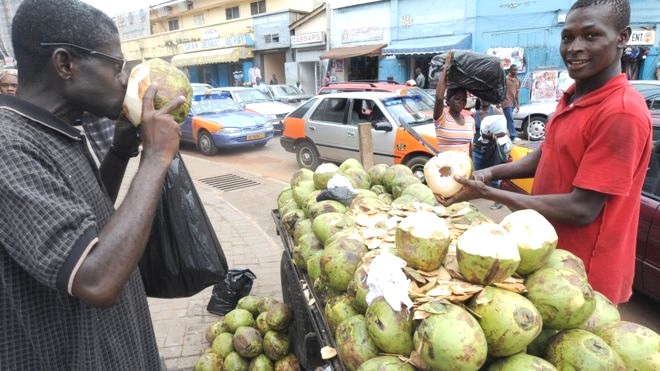
Coconut water is replete with antioxidants. Drinking coconut water helps in fighting fatigue and exhaustion. It helps with quick digestion and prevents bloating after a meal.
Have it in the morning on an empty stomach to boost metabolism. Coconut water has been regarded as a miracle drink by many. It is one of the best drinks to combat the summer heat and also serves as a powerful natural sports drink for an instant boost of energy. It is low in calories and contains natural enzymes and minerals like potassium that make it a super drink. While it is good to sip on fresh coconut water any time of the day, drinking it at the right time can definitely double the health benefits that you can derive. Now if you have decided to live your life the ‘healthy way’ why not be doubly sure, right?
Here’s everything you need to know about the best time to drink coconut water to reap the maximum benefits.
The best time to have coconut water.
Unlike other drinks, there’s no one best time to have coconut water. You can enjoy it during the day and even at night, but drinking it at some specific times does certainly help.
Drink it early morning on an empty stomach. Drinking coconut water first thing in the morning on an empty stomach can help in many ways. Coconut water contains lauric acid, which helps in boosting your immunity, kick-starting your metabolism, and facilitating weight loss. Pregnant women are often recommended to have coconut water to fight dehydration and constipation. It also helps relieve morning sickness and heartburn, which are common symptoms of pregnancy.
Before or after a workout. As shared earlier, coconut water is a great natural sports drink that helps in hydrating your body and boosting energy before a workout. Whereas after a workout, coconut water helps in replenishing the lost electrolytes during the intense session. Drinking coconut water helps in fighting fatigue and exhaustion and is one of the best energy-boosting drinks. Drinking coconut water helps in fighting fatigue and exhaustion.
Pre and post meals. Drinking a refreshing glass of coconut water before a meal makes you full and thus, prevents overeating. It is low in calories and easy on the stomach. Drinking coconut water acts as a digestive. It helps in quick digestion and prevents bloating after meals. Regular consumption of coconut water also helps in maintaining the electrolyte balance in your body and thus, keeps your blood pressure in control and improves digestive functions.
Before going to bed. The sweet and pleasant fragrance of coconut is known to have a psychological effect that helps diminish anxiety and slows our heart rate. Sip some coconut water before hitting the bed to fight stress and calm your mind. Moreover, drinking coconut water at bedtime may help in flushing out all the toxins and cleansing your urinary tract, thus preventing infections and kidney problems.
Great hangover cure. Did you know that a glass of coconut water is one of the best home remedies to get rid of a hangover? Alcohol causes dehydration which may lead to a headache and a nauseous feeling the next morning. Coconut water helps in fighting both and also restores the lost electrolytes making your feel better.
Coconut water is packed with essential nutrients like potassium, manganese, Vitamin C, calcium, and dietary fibers that make it a very healthy and refreshing drink.
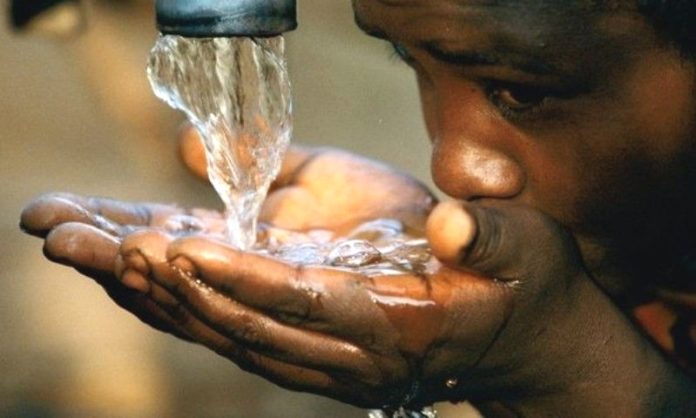
Water indeed is essential for all life on, in, and above the Earth. Water is important because human beings are made up mostly of water. Up to 60% of the human adult body is water.
Drinking water on an empty stomach in the morning can be immensely beneficial for the body!
We tend to complicate things when it comes to taking care of our health. A few simple steps can go a long way in taking care of our health, and one easy way of ensuring it is by drinking sufficient water on an empty stomach first thing in the morning. Not only does it clear your stomach, but it also goes a long way in reducing the risk of a number of diseases.
Water purifies the colon and it improves the stomach’s chances to absorb nutrients properly. A better digestive system automatically takes care of a lot of other things. It is also one of the secrets behind glowing skin, as water removes the toxins from the blood. Drinking water also improves the creation of new blood cells as well as muscle cells and helps you in losing weight.
Also, make sure not to eat anything for a while after you drink water in the morning. This water treatment therapy has no side effects and boosts your metabolism greatly. About four glasses of water (one litre) on an average daily would be great. If it feels too much in the beginning, you can start off slowly and then gradually increase the intake!
The Programmes Manager of Conservation Alliance (CA), Mr. Raymond Owusu-Achiaw, and his organization have declared their support for the ongoing “End Use of Highly Hazardous Pesticides campaign” that seeks to promote the safe usage of only government-approved pesticides across the country.
According to him, research conducted by his organization (CA) showed that many farmers are unaware of the dangers associated with the abusive usage of pesticides.
He indicated that pesticides such as Confidor and Condo that are used in cocoa farming are as well misused by some of the vegetable farmers; posing a threat to humans lives.
“Why has Europe banned the use of certain pesticides and chemicals but still producing it for Ghana and Africa?” he quizzed.
The Programmes Manager says the struggle to end the use of highly hazardous pesticides is a duty of all and not only the Cocoa Research Institute of Ghana (CRIG)
He stated that some of the pesticides supplied to cocoa farmers in Ghana have been phased-out in the European Union (EU) due to the dangers associated with those chemicals.
Citing Mozambique as an example, Mr. Owusu-Achiaw said Ghana can learn from the southern African country by banning some pesticides and encouraging the use of organic pesticides.
“We must all as a nation agree on a plan of action to end the use of Highly Hazardous Pesticides in the country” he noted.
Mr. Osei Kwame, Country Director for Rainforest Alliance Ghana explained that Conservation Alliance (CA) collaborated with Rainforest Alliance (RA) under its Sector Partnership Program to implement a project to gain a better understanding of pesticide use within the cocoa sector in Ghana.
“Our work is to strengthen the alliance with other stakeholders (NGO’s, Media and FBO’s) as drivers of change in the sector” he added.
Ms. Ruth Adu-Acheampong and Mr. Agyeman Dwomoh officials from the Cocoa Research Institute of Ghana explained that disease and pest control should be based primarily on good agricultural practices and technologies.
“We need to intensify education and create more awareness on Highly Hazardous Pesticides risks on consumers and farmers”, she explained.
The Project Administrator for Ghana Agric & Rural Development Journalist Association (GARDJA) Mr. Quainoo Reuben sought to know how these Highly Hazardous Pesticides come into Ghana and Africa.
“If the EU believes these pesticides are Highly Hazardous; why are they still producing it? Who is importing these Highly Hazardous Pesticides into the country? Or is it business for some Cabals who don’t care about our health but only think of their profit?” he quizzed.
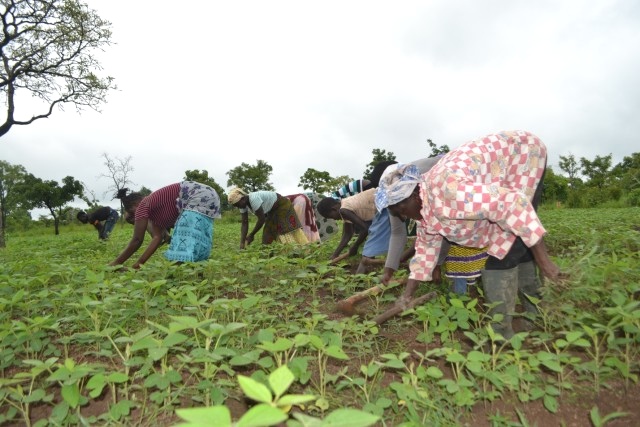
Farming, though not an attractive employment opportunity for many young individuals in the country, it is a blessing in disguise. Farming as a business is lucrative and at the same time very unattractive when approached with a cultural attitude.
Undoubtedly, we have few of the youths involved in farming. As recorded in The Ghana Census of Agriculture (GCA), 2017/18, only 29.7% of people engaged in agriculture are youths (15-35 years).
Despite a small percentage of youth involved in farming, there’s hope for those engaged. Since agriculture remains the backbone of Ghana’s economy, every other government initiate policies and programs basically to develop the sector.
In April 2017, the president of Ghana H.E Nana Addo Dankwa Akufo-Addo initiated a flagship agriculture program called Planting for Food and Jobs (PFJ). PFJ under the watch of Dr. Owusu Afriyie Akoto; the minister for Food and Agriculture is aimed at developing Ghana’s agriculture sector to create jobs and to move the country into a food secure state. Since its inception, the program has received a lot of attention from the media and has led in all agriculture discourse. The five years-long programs have other sister programs like the Rearing for Food and Jobs (RFJ) and Planting for Export and Rural Development (PERD). Working with farmers in diverse rural communities, here, I stand to share some of the impact and opportunities created by the program as well as the lapses and the way forward.
Land Accessibility. The country’s agricultural lands are underutilized because the means of production are hard to come by especially among the youth. However, one beautiful culture that exists in most rural communities is how they are willing to offer their lands to the youths for farming. In some communities, what one needs to do is to get one or two of these items; Kola, Schnapps, Skin of a Sheep, Palm wine, Pito (a local drink made from fermented corn), and One Hundred Ghana Cedis. With these requirements, a Chief can allocate as much as ten acres of land to one to farm arable crops.
The elders of these communities believe that, if even the dead keep increasing their numbers, how much more they the living. PFJ has even made most communities very open to youth farmers today. Some community Chiefs now advocate for youth involvement in the program since they are willing to give them lands to farm. Having access to land becomes much easier when a youth enters a community through the assistance of the various District Agriculture Departments.
Land Preparation. Since the commencement of the program, a huge number of farmers have benefited immensely from this life-transforming policy. Though there is no land preparation package attached to the policy, steps have taken to revamp the country’s agriculture mechanization services unit. For some districts and constituencies, the assembly or the Members of Parliament have provided tractors to support this initiative in their respective areas. These tractors plow between 40% to 50% discount of the original charge. This has equally reduced the cost of production by a significant margin.
Fertilizers. Soil nutrient depletion has been so drastic in our time. Hence, crop nutrient requirements in many cases must be supplemented from an organic or inorganic source. For ideal yields, maize must be supported with N.P.K at the growing stage and Urea at the tasseling stage. On averagely performing soils, farmers use 150kg of N.P.K and 50Kg of Urea per acre. The provision of subsidized fertilizer is a major pillar of the PFJ program. Aside from the unprecedented slashing of fertilizer prices by 50% subsidy, availability has also improved. The government now outsources from local producers.
These new N.P.K (+ TE) are with trace nutrients for better growth and yield of crops. Previously, imported N.P.K weren’t fortified with these trace nutrients. In the open market, 50Kg of N.P.K used to be sold between Ghc.150 to Ghc. 180 but the same quantity goes for Ghc. 80 under PFJ. Urea is equally Ghc. 80 under PFJ even though it is -sold between Ghc. 120 and Ghc. 160 in the open market. One significant change resulting from PFJ is a positive toll on the prices of fertilizers in the open market. While the prices of fertilizers have to fall, there’s equally a break from the overwhelming annual rise in the prices of fertilizers. This increased the number of farmers who access and used fertilizers to improve their yields.
Seeds. Improved seeds are an indispensable resource for agriculture development and growth. Since the initiation of PFJ, improved seed from both local and foreign sources have been made available to farmers. Top-notch corn seeds like Pannar, Lake, and Pioneer which were expensive for farmers are now sold at 50% of their original prices. Just like fertilizer, these improved seeds are available in the system. The advantage in planting these varieties under PFJ is that they give a high yield and they are more resistant to drought as compare to the traditional seeds our farmers plant.
Pests. Recently, the biggest enemy to maize farmers in Ghana is the Fall Army Worm (F.A.W). The devastating nature of the worm with an uncontrolled appetite for the corn at all stages of growth is very worrying. A number of proactive measures have been considered to combat the worm under PFJ to subdue the ripen effect of the worm on the corn. Educating farmers about the worm have been supported with the distribution of chemicals to spray the worms. The good news is that these chemicals since 2017 are freely given to the farmers at no cost through the various District Agriculture Departments. This has been a worthy relief to farmers. This has also given birth to innovative ways of using local herbs to control the worm.
Yield Improvement. There has been a meaningful improvement in the yields of corn for the past years. Farmers who planted hybrid varieties and apply the right amount of fertilizers on a timely basis have recorded an impressive improvement in their yields per acre. Currently, under optimum environmental conditions with the right agronomic practices, a farmer can harvest between 1.25 tons and 2 tons on an acre.
Storage and Marketing. Smallholder farmers continually struggle with the poor handling of their harvest. Storage is the next step after harvest when foods aren’t moved immediately to the market. While the country put up a warehouse closer to the farmers, new hope sparks in the heart of the farmers. The disruptive nature of our rural-urban market network in many instances compels farmers to sell at relatively low prices. Now farmers have the free will to sell their harvest to the National Buffer Stock. Farmers are mostly aware of the pricing of the National Buffer Stock which isn’t influenced by availability during harvesting season. In the open market, farmers are most likely to face poor pricing at the peak harvest period.
Apparently, there is an advantage in selling to National Buffer Stock since their prices are predetermined at the beginning of the season. This has increased the marginal profits of farmers since the effect of demand and supply on pricing is neutralized by this system. In addition, it has helped the marketing power of farmers and reduced the stress they go through to store and to sell.
Inadequate Mechanization Services. Surprisingly, some smallholder farmers at this age still practice the traditional methods of farming. Aside from availability problems, the cost of mechanization services is sometimes overwhelming for our poor farmers. Tractor services made available by some District Assemblies or MPs at affordable prices is being helpful. However, some farmers have the notion that the service is political, therefore, they do not want to patronize it.
Addressing this challenge will require the establishment of district-level agriculture mechanization centers. These centers should be well resourced to provide diverse mechanization services for farmers. This could be ‘Private-Government’ owned and managed to avoid the previous experience of mismanaged Agric station resources.
Unscrupulous retailing prices of seeds and fertilizers. Annually, the Ministry of Food and Agriculture (MOFA) announces the prices of seeds and fertilizers under PFJ at the onset of the season. Irrespective of the awareness created, some unscrupulous retailers still sell these inputs more than the stipulated prices. Many hide behind transportation and milk our poor farmers. Already, great steps have been taken for branding fertilizers and seeds for PFJ. Further arrangements should be made for the branding of imported hybrid seeds for easy identification. The supply of these inputs should have a lot of checks to ensure that farmers receive them at the right price.
Merchandising Government Free Chemicals. The alleged corruption at some of the District Agriculture Departments is demoralizing. Allegedly, some of the officers extort money from the farmers before delivering free chemicals from the government to fight the armyworm. Although some of the farmers see it as a token of appreciation, others also question the free nature of the government.
The Waiting Period. The state of our rural economies always puts farmers in need of emergency funds. Hence, the system where buffer stock buys and pay later is not favorable for many farmers. The National Buffer Stock should be well resourced to be in the position to buy with cash in hands. This would serve as a motivation, increase patronage, and boost their confidence level for high production.
Selective Chemical Package. Across the length and breadth of Ghana, weeds control in corn farms is a staid headache for many farmers. This significantly affects their yields since weeds compete with crops for space, nutrients, and sunlight. Aside from educating and skilling farmers on weed control, the provision of selective herbicide can help. A greater number of farmers use a few bottles to cover wider areas than they should, due to the cost involved. A little subsidy on these herbicides can help farmers purchase enough and support local producing companies.
On the side of the country where hunger and unemployment are predominant among the youth, the Planting for Food and Jobs policy should be harnessed to achieve the realization of its objectives to curtail the menace. The policy seems to have a positive effect on the farmers and the stakeholders who are both actively and passively involved, therefore, effort should be put in place to sustain the policy to continue to impact and transform the livelihoods of our farmers. Once we can maintain and develop it, farming would inevitably be enticing for the teeming unemployed youths in the country.
Mr. Michael Zormelo, CEO of Omnifert, a wholly Ghanaian-owned indigenous leading agrochemical industry player, has been adjudged the Entrepreneur of the Year at the 2020 edition of the Ghana Cocoa Awards. The evening also honored Dominic Donkoh, Business Development Manager at Omnifert as the Marketing Personality of the Year.
Mr. Zormelo has led the company to become the leading brand in the fertilizer industry just less than half-decade ago of its establishment with its own fertilizer factory which was officially commissioned by the President of the Republic of Ghana, His Excellency Nana Addo Dankwa Akufo-Addo last year.
“I am elated to win this award. This indicates that hard work, dedication, and perseverance produce dividends. When we started this journey, we anticipated growth but not as this phenomenal. This goes to show that a team that works together wins together,” Mr. Zormelo said.
He also congratulated Mr. Donkoh for his award and lauded the staff, management, and colleague board members of Omnifert for following the company’s vision despite the challenges faced along the way.
“Our objectives have not changed. Through our state-of-the-art factory we seek to serve not only Ghana, but also the landlocked countries of Burkina Faso, Mali, and Niger through the provision of high-quality fertilizer at the right time and right price, targeting especially, smallholder and commercial farmers”, he added.
Further, we seek to improve agricultural productivity, incomes, and employment opportunities; establish efficient agriculture industry linkages in the aforementioned countries, and establish commercial farms to supply produce to meet gaps in Ghana’s local yield as well as for export,” he said.
Omnifert, a subsidiary of the Omni Group of Companies, focuses on improving the crop productivity in Africa by providing affordable fertilizers to farmers, establishing commercial-sized farms to produce crops such as cassava, millet, sorghum, maize, soya, etc. to bridge the gaps in the local supply as well as to conduct soil tests on farms so as determining specific fertilizer needs to each farm accurately.
Benefitting from synergies and technological know-how from sister company Omni Energy, he said one of the leading providers of Engineering and Value Added Oilfield Support Services in the Oil and Gas industry, Omnifert has been working to support the transformation of the agro-chemical industry in Ghana to contribute towards sustainable food security.
The Company combines economic success with environmental protection and social responsibility. Omnifert’s locally based ultra-modern blending facility is the first of its kind in Ghana. It was established to fulfill the Company’s deep-seated objective to play an important role in improving crop production in Ghana and Africa at large.
Omnifert’s approach is not only about providing affordable and quality fertilizer to farmers but focused on providing the right specifications of fertilizer according to the soil and crop types. By doing this, Omnifert demonstrates its commitment to improving agricultural productivity, incomes, and employment opportunities in Ghana.
The Chief Executive Officer of BEIT Farms Mr. Evans Larbi has urged farmers across the African continent to see farming as a serious business. He believes that agriculture plays a pivotal role when it comes to the economic development of this continent.
“The continent has the richest natural resources for agricultural production in the world, so why are we still importing junk foods into our continent” he quizzed.
Mr. Larbi made these remarks in an interview during the Africa Smallholder Farmers Summit 2020 with the theme; “Creating jobs for Africa Women and Youth through smallholder farming”.
Mr. Larbi pointed out that unlocking the country’s agricultural potential will create jobs as well as providing enough food for domestic supply, adding that the task was made more urgent by the vast sums spent on food imports, with Africa spending an annual total of about US$35bn on importation.
However, a strategy change will be necessary in order to achieve this goal. “Agriculture must cease being treated as a development programme; agriculture must henceforth be treated as a business to change the status quo”, he said.
The Chief Executive Officer of Okata Farms Mrs. Mabel Akoto Kwudzo, the 2017 second national best farmer believes that the need has come to comprehensively reposition agriculture as a business among the youth, including its presence in the various levels of education.
Mrs. Kwudzo said that along with creating a youth in agriculture policy which would address some of the long-standing issues that face the youth in agriculture such as access to land and funding for agriculture, marketing and information about the industry, the issue of how agriculture is taught in schools will also need to be addressed.
“There should be a rethink and bigger approach and that start in our education sector,” she said.
The 2020 Best Farmer, Youth in Agriculture for the Upper Manya Krobo District in the Eastern Region underscored the urgency for consistent advocacy on the challenges confronting smallholder farmers and entreated the media to mainstream the sector in the national agenda.
“Agriculture is not a secondary profession neither a fallback profession nor something you do when you don’t have anything else to do. We need to give agriculture a place in our education curriculum and not just to be taught to our students on the basis of primary agriculture,” she bemoaned said.
The Managing Campaigner for EcoCare Ghana Mr. Obed Owusu-Addai and his organization have thrown their support behind the ongoing “Securing Equitable Living Income for Cocoa Farmers Campaign” that’s seeking to eliminate extreme poverty among cocoa farmers in West Africa region.
Mr. Owusu-Addai says the struggle to eliminate extreme poverty among cocoa farmers in West Africa region is a duty of all and not just the Ghana Cocoa Board and Ministry of Food and Agriculture (MOFA).
“We must clarify the regulatory frameworks governing cocoa production and trade, and engage relevant stakeholders to discuss and develop concrete workable strategies and roadmaps to address pricing challenges in the cocoa sector; with emphasis on guaranteeing sustainable cocoa production,” he noted.
The Managing Campaigner for EcoCare Ghana made these remarks at an International Cocoa conference with the theme; “Securing Equitable Living Income for Cocoa Farmers”.
The two days’ conference brought together participants from Ghana, Cote d’Ivoire, and through the power of technology stakeholders in Europe through an online platform called zoom here in Accra.
Mr. Owusu-Addai pointed out that Cocoa is a very important agro-commodity in West Africa, contributing significantly to the socio-economic well-being of many households in the sub-region.
“ECOWAS member countries accounted for about 68% of global cocoa supply in 2019/2020 cocoa season, out of global production of 5 million tonnes in the 2019/2020 cocoa season of which 3.4 million tonnes were harvested from West Africa alone” he revealed.
He said that according to figures from the International Cocoa Organization (ICCO); Africa’s cocoa-producing countries capture just 3% of global chocolate industry revenue.
“Although Côte d’Ivoire produced 2.1 million tonnes of cocoa in 2017 (44% of global output), it brought in just $3.3bn from trade in an industry valued at $103.3bn in 2017” he indicated.
According to him, the recent cocoa barometer report, which depicts the distribution of the cocoa sector profits along its value chain, observed that unfair distribution of value and power in the cocoa value chain are part of the root causes of extreme poverty for cocoa farmers in West Africa.
He added that the cocoa supply chain is increasingly dominated by a select group of large corporations where mergers and takeovers have resulted in just a few companies dominating up to 80% of the whole value chain, while farmers lack a sufficiently organized voice to be strong actors.
“Almost all West African cocoa farmers live below globally defined poverty levels. In Côte d’Ivoire the world’s largest producer of cocoa, a farmer should earn four times his current income in order to reach the global poverty line of $2 a day. Despite all the efforts in cocoa at the moment, the core of the problem is still not being addressed; the extreme poverty of cocoa farmers, and their lack of a voice in the debate” he said.
The Secretary, National Board of Directors of WCFO Ghana Chapter, Moses Djan Asiedu, recommended more training on good agricultural practices and concerted extension services to support sustainable cocoa production and improves the farmer’s lot.
The Ghana Civil-Society Cocoa Platform (GCCP) Coordinator Sandra Sarkwah underscored the urgency for consistent advocacy on the challenges confronting cocoa growers and entreated the media to mainstream the cocoa sector in the national agenda.
“The cocoa advocacy initiative must be guided by the national interest to engender a holistic improvement at the various stages of the cocoa value chain for the benefit of players and the economy in general,” she said.
The conference was organized by EcoCare Ghana in collaboration with ClientEarth, TaylorCrabbe Initiative, Fern, and Ghana Civil-society Cocoa Platform (GCCP).
The conference is funded by the United Kingdom Department for International Development’s (DfID) Forest Governance, Markets and Climate (FGMC) Programme.
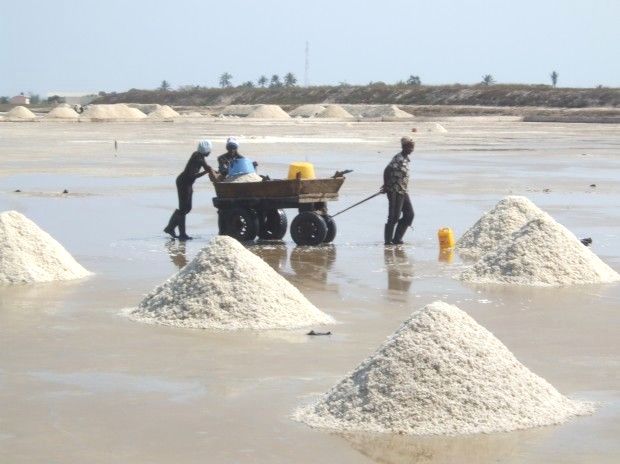
The Ada Songhor Salt Project is to soon take off following Parliament’s ratification of its mining lease.
The project, with a production capacity of between 130,000 tonnes to 200,000 tonnes, is expected to boost employment and economic activities within the Ada area of the Greater Accra Region.
The Mankralo of Ada, Nene Agudey Obichere who addressed a press conference on behalf of the chief of Ada, Nene Abram Kabu III, lauded President Nana Akufo-Addo for fast-tracking ratification of mining leases for the project.
He noted that his people had been deprived of access to the river for both fishing and salt-mining.
He said the absence of commercial salt mining in the area had deprived his people of employment, following the project’s demise.
He said the government canceled the lease agreement in 1985 after clashes with locals, and later set up the Songhor Salt Project to continue with the salt mining – but the project was deprived of resources.
“I am further delighted to say that Parliament, after going through its due process, has ratified these agreements in favour of Electrochem Ghana Limited (EGL) associated with our preferred investor,” he said.
The leases will last for a term period of 15 years, which may be renewed after the expiration of the term subject to the minerals and mining laws of Ghana.
To avoid a repeat of similar clashes, the chief said the project and EGL had agreed to engage engineers to demarcate and set aside specific areas for local mining, in consultation with stakeholders.
In addition, EGL is obliged to do large pans in the areas that would be identified, which upon mining would be sold back by his people at prevailing prices to EGL.
Local content. In terms of local content, EGL is obliged to source both skilled and unskilled labour forces from Ada first and give the Ada Traditional Authority representation on the board to oversee the smooth-running of the project.
He urged residents in and outside of Ada to have confidence in the project, and ensure that it benefits the entire area.
Ratification. It is to be recalled that three mining lease agreements granting mineral rights to an investor – Electrochem Ghana Limited – to dig for, mine, and produce salt at Ada Songor area in the Greater Accra Region, were approved by Ghana’s Parliament.
The mining lease agreements were in respect of the Ada Songor Salt Project (Ada West Lease Area [Ada Songor]); the Ada Songor Salt Project (Ada East Lease Area [Ada Songor ‘B’]); and the Ada Songor Salt Project (Ada East Lease Area [Ada Songor ‘C’]).
They were laid in Parliament for ratification on Wednesday, November 4, 2020, by the Minister for Parliamentary Affairs, Mr. Osei Kyei-Mensah-Bonsu, on behalf of the Minister for Lands and Natural Resources, Kwaku Asomah-Cheremeh, pursuant to Article 268(1) of the Constitution and Section 5(4) of the Minerals and Mining Act, 2006 (Act 703).
Mr. Danquah Addo-Yobo, West Africa Regional Director, Yara receiving the awards with his team.
Yara Ghana, the leading supplier of premium fertilizer products received two awards during the Ghana Cocoa Awards 2020 at Kempinski Hotel, Accra.
During 2020 Ghana Cocoa Awards night 42 awards (comprising 30 competitive and 12 Honorary awards) were presented to distinguished Stakeholders, who, regardless of the COVID-19 Pandemic, held the value chain uninterrupted.
Out of these 42 awards, Yara Ghana emerged as the Agro Input Brand of the Year 2020 and the Agro Input Company of the Year 2020 among its competitors.
Indubitably for the awards, Yara Ghana engages major stakeholders in the cocoa sector and supported the country’s goal of reaching 1 million metric tonnes. Possibly, with the introduction of the “Asaase Wura” cocoa fertilizer and YaraLiva Nitrabor, many farmers have improved their soil fertility and thus increased yield and income.
Its contribution to the cocoa sector by supplying high-quality products to farmers and placing farmers at the centre of a consistent knowledge-based approach to improve their yields and quality ushered the company as the winner of the awards category.
Yara Ghana’s technical support for farmers on its Yara Crop Nutrition Concept which focuses on knowledge, portfolio combination, and application competence has abetted farmers and elevated their profit in a sustainable manner.
Yara Ghana’s contribution to the cocoa sector could not be overlooked than to recognize the company with the deserving awards.