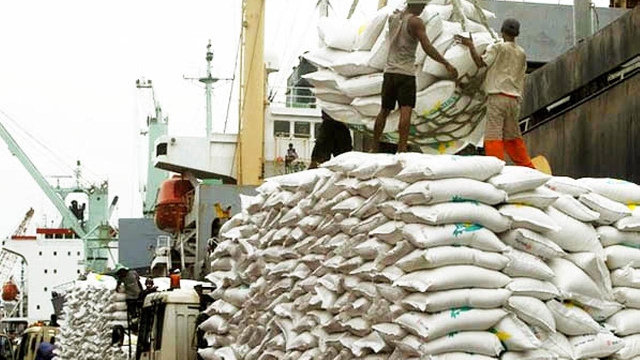
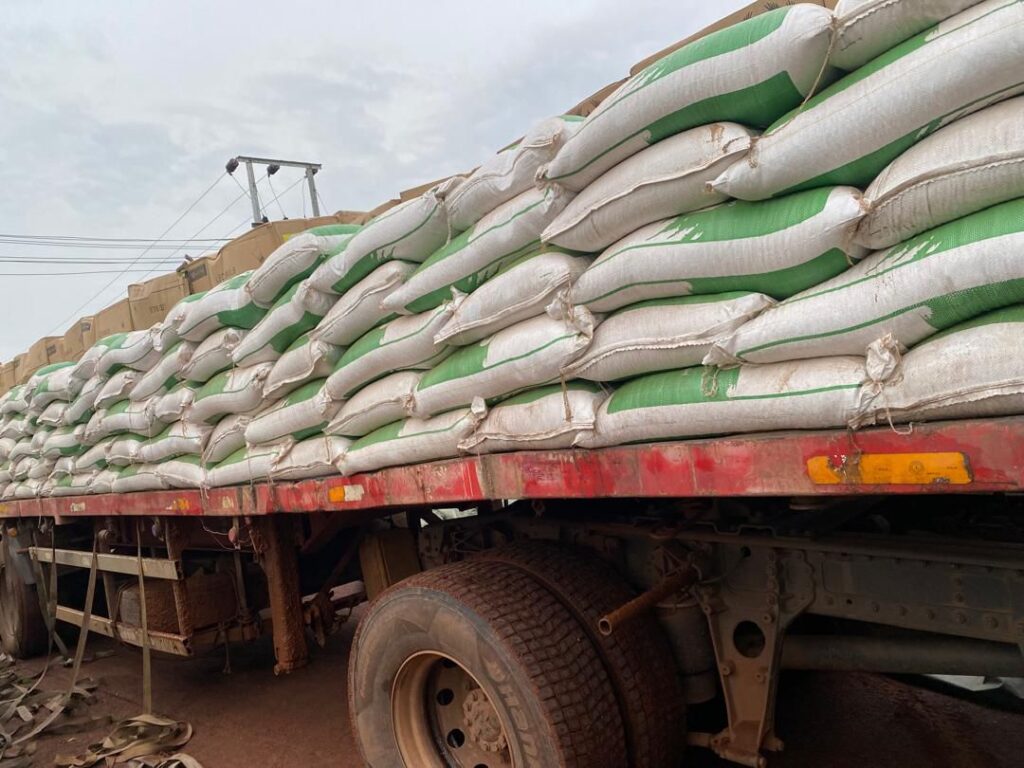
The United State Department of Agriculture, USDA Grain and Feed 2025 Report forecasts Ghana’s milled rice production for 2025/2026 at 900,000 metric tons, representing “an 18 percent increase from the previous year due to favorable weather and improved farmer participation.”
But the optimism is tempered by weather risks. The report cautions that the Ghana Meteorological Agency has predicted “normal-to-below-normal rainfall and longer dry spells in 2025,” raising concerns over crop sustainability.
The production gap is already being felt in prices. According to the USDA, “Between March 2024 and January 2025, the average price of a 100kg bag of rice increased from GH¢200 to GH¢650, a 225 percent jump.” Although prices fell to GH¢400 by March 2025, they still remained twice as high compared to a year earlier.
Millers have explained that paddy rice with low moisture content attracted lower prices because “it breaks more during milling, reducing quality and affecting supply to the market.”
Despite growing local output, Ghana’s appetite for rice is rising faster. The report notes that consumption is projected to hit 1.80 million MT in 2025/2026, up from 1.75 million MT the previous year, driven by population growth and changing diets.
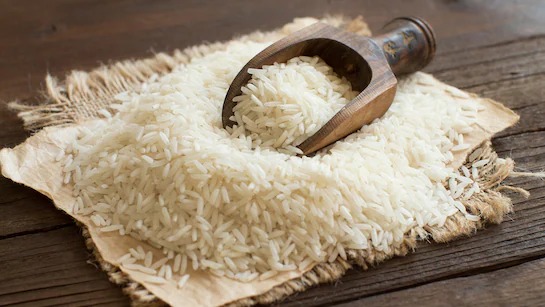
“Ghana’s urban population prefers fragrant long-grain rice, which is largely imported,” the report stated. Imports are expected to rise to 1.0 million MT, making up more than half of the national requirement.
The pricing trend underscores the problem. The USDA cites that as of early 2025, “a 25kg bag of Thai fragrant rice averaged GH¢690, Vietnamese rice sold at GH¢490, while local long-grain rice was priced at GH¢535.” With imports cheaper and often better processed, they remain more attractive to consumers.
The report emphasizes that “70 percent of rice sold in Ghana is imported,” with Vietnam, India, and Thailand dominating the market. U.S. rice exports have declined significantly as a result of lower price competitiveness and stronger Asian competition.
Rice has become the second most important cereal after maize, with per capita consumption now at 51kg. Yet, local production struggles with structural challenges — poor irrigation, low mechanization, and weak processing capacity. “Unless these bottlenecks are addressed, Ghana will remain import-dependent, leaving consumers vulnerable to global price shocks and exchange rate pressures,” the USDA warned.
Government has attempted to promote local rice through programs such as the National School Feeding Scheme, but uptake remains slow. The USDA concludes that while production is rising, “quality concerns, irregular supply, and distribution challenges continue to undermine local rice competitiveness.”
Former Head of Public Affairs at the Ghana Cocoa Board (COCOBOD), Fiifi Boafo, has alleged that more than 10 experienced directors at the state agency are being paid full salaries despite being sidelined and rendered inactive under the current administration.
In an interview on Citi Eyewitness News on Tuesday, August 19, Mr. Boafo expressed concern over what he described as an inefficient use of public resources, claiming that a number of directors have been asked to stay at home and are no longer contributing meaningfully to the operations of COCOBOD.
“It is a statement of fact that there are a number of directors at COCOBOD who are now rendered almost useless, but they are drawing a salary,” Boafo said. “It is through no fault of those directors that they are not contributing anything significant to the board, but they are being paid.”
He questioned the logic behind sidelining long-serving professionals with institutional knowledge, experience, and expertise that could help improve the board’s performance, simply because a new government is in office.
Mr. Boafo described the situation as both a financial burden and a missed opportunity to leverage institutional memory and technical experience at a time when the cocoa sector faces serious challenges.
“I do not think that it is the most prudent thing to do,” he stated. “To ask these directors who have worked with the organisation for many years… and they have been asked to stay at home just because there is a new government in place — I think that is a cost to the board, and it also affects how effective and efficient the board operates.”
Speaking on the number of directors affected, he told host Umaru Sanda Amadu: “I will have to count but they are more than 10.”
As of now, COCOBOD has not issued any public response to the claims
According to a report by TV3 News, poultry farmers in the Bono Region are appealing to government for urgent intervention as they grapple with plummeting egg prices caused by overproduction.
According to the farmers, the situation has left many of them struggling to break even, with some on the verge of collapse.
They explained that while demand for eggs has remained relatively stable, excessive production across the region has flooded the market, forcing prices down to unsustainable levels.
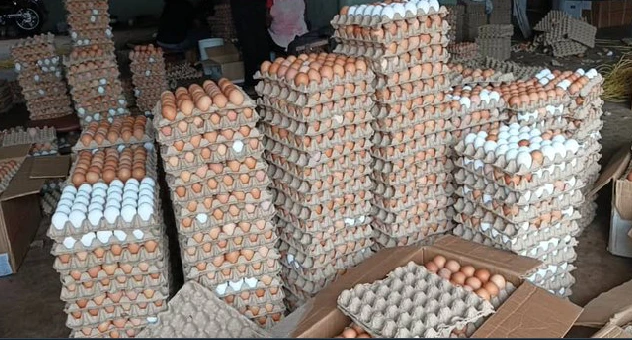
Currently, a crate of eggs is being sold at prices significantly lower than the cost of production, leaving farmers unable to recover investments in feed, medication, and labor.
Many warn that without support, large numbers of poultry businesses may shut down, worsening unemployment and threatening food security.
“We are producing more than the market can absorb, and as a result, prices keep falling. We need government’s support in finding solutions, otherwise farmers will be forced out of business,” one farmer said.
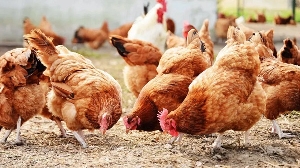
The poultry industry, a key contributor to Ghana’s agricultural sector, has been battling challenges ranging from rising feed costs to import competition.
The Bono Region, known as the hub of poultry farming in the country, is now facing what farmers describe as one of the worst crises in recent years.
Farmers are calling on government to introduce policies that will expand the local egg market, such as supplying schools, hospitals, and security agencies.
They also want investment in egg powder processing factories to absorb excess production and create new export opportunities.
Stakeholders believe that swift action is needed to stabilize the industry and protect the livelihoods of thousands who depend on poultry farming.
Baffour Kwadwo Damoah Afari, Sanaahene (sub-chief) of Dormaa Traditional Area in the Bono Region, has called on the government to subsidise poultry feed for farmers to produce more and to meet the growing national poultry demand.
He noted that poultry farmers were unable to produce more because of the high cost of feed, saying with the subsidy, the farmers could improve productivity.
Baffour Afari indicated that presently farmers could only produce between 57,000 metric tons and 60,000 metric tons of the expected annual national demand of 460,000 metric tons.
The chief made the call when speaking at the opening session of a two-day maiden poultry business clinic at Dormaa-Ahenkro, jointly organised by the Business Resource Centre, Dormaa Central Municipal Assembly and the Dormaa Poultry Farmers Association.
It was attended by traditional authorities, input dealers, financial institutions, poultry farmers and other stakeholders in the agriculture sector and the poultry value chain.
It was attended by traditional authorities, input dealers, financial institutions, poultry farmers and other stakeholders in the agriculture sector and the poultry value chain.
Baffour Afari expressed concern that poultry farmers spent about 80 percent of capital on feeding, saying the importation of low-cost poultry products like day old chicks, poultry meat and feed supplement as well as eggs from countries like Argentina, Poland, Brazil and Holland were also another challenge confronting the nation’s poultry sector.
Other pressing challenges include, poultry disease, lack of insurance for poultry farms and birds, poor farm management practices, as well as stealing of eggs.
“These challenges drive marketing and sales control to the disadvantage of domestic poultry producers”, Baffour Afari stated, and stressed the need for the government to do more to make the sector more attractive and to boost farmers’ confidence and productivity as well.
Baffour Afari lauded the organization of the poultry clinic, saying that remained crucial to improving and turning round the economic prospect of the nation’s poultry sector.
He told the farmers that the Dormaa campus of the University of Energy and Natural Resources (UENR) had a dedicated department for agriculture and advised them to visit the department and to seek information, knowledge and expertise to transform their businesses.
Baffour Afari advised the poultry farmers in the area to also create a realistic data base for their poultry business to aid effective business decision-making and enable them to receive support from development partners. “Sharing real data will enable them to also benefit from government intervention and support as well as get some tax incentives’, he stated.
Daniel Sena Tsorme, the Head of the BRC, took the participants through various classifications of Micro, Small, Medium and Enterprises (MSMEs), their differences, annual turnovers, and fixed assets value.
He said the Center would continue to promote the poultry industry in the Dormaa Central Municipality by highlighting its prospects, challenges and opportunities as well as producing documentary films about the sector.
“We are concentrating on Dormaa Central for now, however poultry farmers in Dormaa East and Dormaa West Districts can join us if they want to’, he stated, saying that the center would also work to help create a reliable data base that would drive investments.
Tsorme also advised the farmers to leverage social media opportunities, saying the center also had intentions to create a social media handle to promote the industry in a more positive way.
He urged, especially the women farmers to acquire the Food and Drugs Authority (FDA)’s certification and licensing of their pack house or warehouse for eggs to ensure that they meet the required standards.
The World Bank’s latest Ghana Economic Update has raised concerns over the financial stability of the Ghana Cocoa Board (COCOBOD), warning that persistent operational and fiscal challenges could undermine one of the country’s most vital export industries.
According to the report, despite record-high global cocoa prices, Ghana’s cocoa production remains weak, while COCOBOD owes significant amounts to its suppliers. The World Bank noted that the agency’s involvement in activities beyond its core mandate known as quasi-fiscal operations has further heightened financial risks.
The report cautioned that these challenges, if left unresolved, could have wider implications for Ghana’s economy, given cocoa’s critical role as a major source of foreign exchange and rural incomes.
The World Bank stressed the need for stronger oversight and accountability in both the agricultural and energy sectors to help reduce fiscal risks and ensure long-term stability. It also called for COCOBOD to focus squarely on its primary business of sustaining cocoa production, while streamlining its operations to improve efficiency and financial health.
Cocoa remains Ghana’s second-largest export earner after gold, contributing billions of dollars annually. With global prices at multi-decade highs, analysts say the country must urgently address production and financing bottlenecks to fully seize the opportunity presented by favourable market conditions.
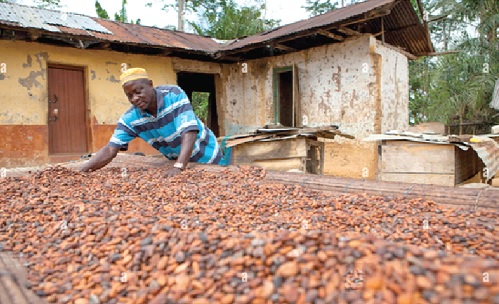
Some cocoa farmers from Ahukwa and Suhenso in the Wiawso Municipality of the Western North Region have rejected the recently announced producer price of cocoa, describing it woefully inadequate.
Speaking at a media engagement, Isaac Gyasi, Leader of the farmers’ group, indicated that the new price meant that the government had betrayed cocoa farmers considering what it promised them.
“The price is unacceptable because to hire a labour for just a day is between GH¢80 and GH¢100, while prices of agro chemicals have gone up; so this price will negatively affect cocoa farmers economically,” he said.
He, therefore, called on the Ghana Cocoa Board (COCOBOD) and the price review committee to relook at the new price and give what farmers deserved to help motivate more youth into cocoa farming.
A strategic partnership between the World Food Programme (WFP) and the Savannah Women Integrated Development Agency (SWIDA-Ghana), a women’s rights advocacy organization in Northern Ghana, is championing the transformation of degraded lands into productive farms at Nyansabga, a farming community in the Karaga District of the Northern Region.
The partnership, which began last year under the project dubbed Empowering Livelihoods and Building Community Resilience to Climate Shocks, is benefiting more than 100 women and adolescent girls, including other young men in the area.
The project is being implemented in collaboration with the Ministry of Food and Agriculture, and with support from the Department of Foreign Affairs and Trade (DFAT) of Australia.
As part of the implementation strategy, the project has established a climate-smart demonstration farm in the community, showcasing sustainable agricultural practices such as the planting of economic trees, including mango, baobab, and moringa, as well as vegetables like tomatoes, okro, and pepper.
Hajia Alima Sagito Saeed, Executive Director of SWIDAGhana, speaking to the media during a visit to the demonstration farm on Monday, said the initiative was designed to empower women to adopt climate-smart agricultural methods and replicate such practices on other degraded lands available for farming in the communities.
She explained that the project aimed at reclaiming and restoring degraded lands while at same time helping women, especially young girls, create sustainable assets for themselves.
“Because of the impact of climate shocks in the communities, we have secured a portion of the degraded lands for demonstration to show that climate-resilient agriculture is possible with the right technology and sustainable practices,” Hajia Sagito Saeed said.
She called for sustainable power supply solutions, including solar energy, to help stabilize all-year-round farming to address poverty, hunger, deprivation, and domestic-related violence.
Musah Abdul-Samed, Agriculture Officer for the project in Nyansabga, said the initiative had adopted climateresilient techniques such as soil conservation and a mechanized borehole for all-year farming.
He added that six experimental fishponds had been established under the project, each stocked with 250 fingerlings, meant to serve as demonstration hub to diversify livelihoods and improve nutrition in future.
He added that the project also uses furrow irrigation technology, which channels drained water from the fishponds to the farm, keeping it productive even during drought.
Madam Suweiba Abukari, leader of the women in Nyansabga, said proceeds from the farm had not only improved the nutritional needs of participating households but also provided financial support.
She noted that the women had established village savings and loans schemes through the initiative, boosting their economic rights and independence.
Madam Memunatu Alhassan, another beneficiary, told the GNA that, “Hitherto, | did not know one could rear fish in a pond, but thanks to WFP, SWIDA-Ghana and partners, we have been able to successfully operate a fishpond and the benefits are enormous, including nutrition for our children.”
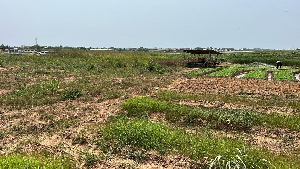
A Ghana News Agency observation of other nearby farms revealed stunted crops compared to the lush demonstration farm, underscoring the need for climate-resilient practices to promote sustainable agriculture.
The project is expected to serve as a model for reclaiming degraded lands and building resilience against climate shocks in northern Ghana.
A farmer and president of the Eastern Africa Farmers Federation (EAFF), Elizabeth Nsimadala has underscored the urgent need to reposition smallholder farmers from passive recipients to active partners if Africa is to achieve food security.
Nsimadala believes that agricultural innovations must be built around the smallholder farmers who are the major stakeholders in the value chain.
“Agriculture is a vital pillar of the African economy, employing approximately 60% of the population, But the sector still faces significant challenges, such as limited access to agricultural inputs and technology, insufficient access to financing and markets and the impacts of climate change.
“Although new policy reforms are regularly being developed and implemented to address African’s agriculture challenges smallholder farmer are mostly absent from the conversations and procedures which don’t always reflect the real, day-to-day concerns of farmers, Nsimadala observed.
“I want to see the adoption of a farmer-centric approach in developing solutions because the present formula mostly does not make sense to the smallholder farmer, particularly in the rural areas of Africa where they need skills for effective utilization,” she said.
Exploring Solutions
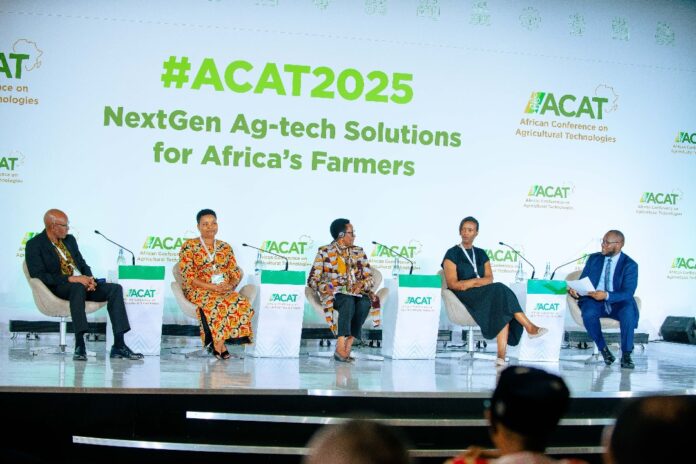
Nsimadala is just one of the 33 million smallholder farmers in Africa, she recently participated in the 2ND Edition of the African Conference on Agricultural Technology (ACAT 2025), aimed at closing the agricultural innovation gap across Africa.
For Nsimadala and many farmers who didn’t have the opportunity to participate in ACAT, their main concern has been that of farmers involvement in developing agriculture solutions and policies in Africa.
“I have heard the “Feed Ghana Programme” is an initiative launched by the Ghanaian government to boost agricultural production, enhance food security and create jobs” she said. It’s a good initiative if you ask me but were farmers involved in designing of this great model?”
Nsimadala made similar points about Nigeria’s Anchor Borrowers Programme which offers smallholder farmers support as well as the “Feed the Future Rwanda programme” which aims to increase incomes and improve nutrition in Rwanda by sustainably increasing agricultural productivity and strengthening the domestic consumption.
To scale such great efforts, Nsimadala believes that African governments must double the funding allocated for the agriculture sector.
“Africa needs to significantly increase investment in agriculture to about 10% or more of its budget to achieve food security” she said
“Food is the most basic of human needs. It is essential not just for the health but also that of communities.
Adding Value: The AATF Model
Dr. Daniel Kyalo Willy, a Senior Manager of Agribusiness, Commercialization and Policy at the African Agricultural Technology Foundation (AATF) believes that farmers livelihoods can be enhanced through an Integrated Business Model introduced by his organization.
The model offers a path for farmers to go beyond accessing better seeds to achieve the full yield potential, wealthier and health they deserve while and playing a critical role in Africa’s transformation agenda.
AATF’s Agroprocessing model, for example, works to transform raw agricultural commodities into more usable and marketable value-added products.
“I want to explain that it encompasses a range of activities, from simple sorting and packaging to more complex processes like milling, canning, drying, and even creating entirely new products from agricultural inputs” Kyalo said. Essentially, it’s about adding value to what comes from farms, rivers and forests”
He cited examples from projects AATF implemented in Ghana, Nigeria and Kenya, among others where more than 5000 smallholder farmers were trained on Good Agriculture Practices (GAP) and value addition.
Improving farmer access to agricultural technologies will help address production challenges, enhance yields and contribute to the continent’s economic growth while enhancing community health and wealth, Kyalo added.
“I say everything else can wait – but integrated rural transformation through agroprocessing is urgent” he said. “I urge everyone to join us to scale this model across Africa; It is doable in this generation and beyond”.
Supporting Farmer Inclusion
Ishmael Sunga, Chief Executive Officer of the, Southern African Confederation of Agricultural Unions (SACAU) agreed with Nsimadala on the need to adopt a farmer-centric design approach in developing policies and solutions.
“This gap hinders their ability to benefit from innovations intended to improve their livelihoods and I hope these conversations will help address this critical issue by bringing farmers’ voices to the forefront, he said.
“We want CSOs, NGOs, donors and government to ensure that farmers are not just beneficiaries of agricultural policies but active contributors in shaping them as well as implementing them in the various regions”
Farmers and others attending ACAT concurred that agriculture should no longer be treated as a fallback but a frontier of economic transformation. It’s clear that agriculture can create jobs, they noted, but the question now is whether African governments and investors will support the sector with the urgency and ambition required.
Real change will come only if policies are backed by action, accountability and farmer inclusion at every level. Farmer-centric design is foundational for developing effective next generation ag-tech solutions and critical to ensuring that these solutions address the specific needs and realities of African smallholder farmers, leading to higher awareness, wide scale adoption rates and lasting impact in rural Africa.
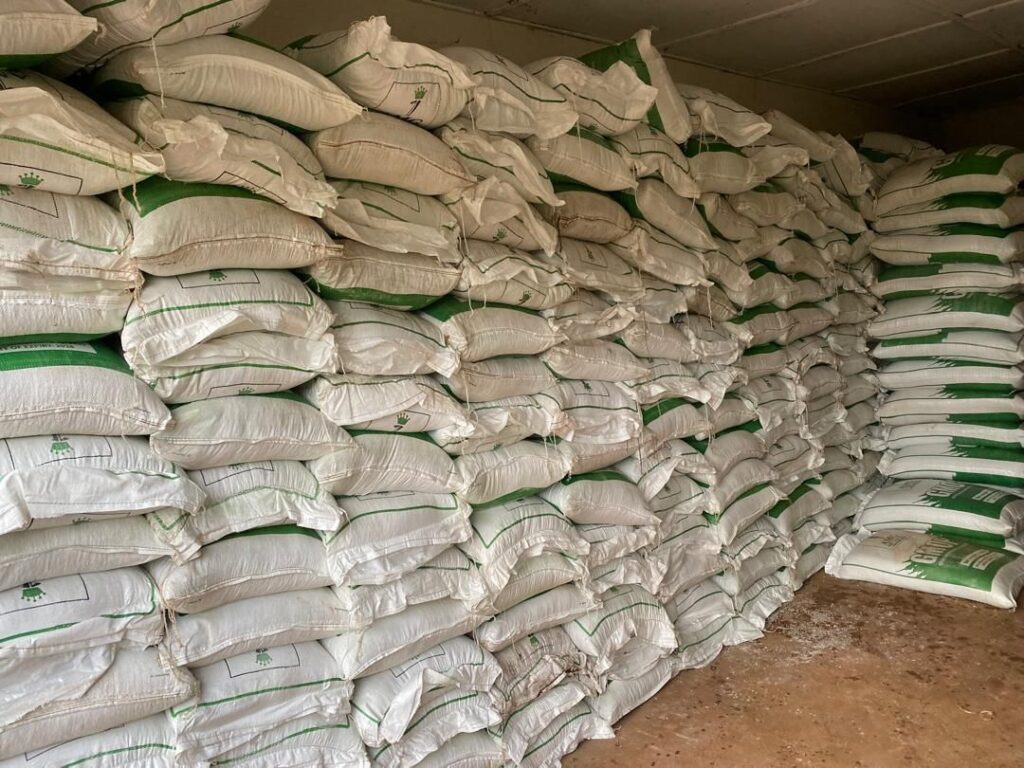
The Member of Parliament for Salaga-South, Hon. Hajia Zuwera Mohammed Ibrahimah, has reaffirmed her commitment to agricultural development in the constituency by distributing 650 bags of fertiliser to local farmers.
The intervention, arriving at a critical point in the farming season, is aimed at improving crop yields, strengthening food security, and empowering the hardworking men and women whose livelihoods rely on agriculture.
At a brief ceremony before the distribution, the Municipal Chief Executive, Hon. Kassim Yazid Rabiu, representing the MP- underscored the significance of the gesture.
He noted that agriculture remains the backbone of Salaga-South’s economy and stressed that empowering farmers is key to job creation, poverty reduction, and sustainable development.
He further disclosed that, in line with the MP’s instructions, the fertilisers would be distributed evenly across all six wards – Salaga, Kpembe, Makango, Kafaba, Konkomba, and Kluw (Abromase) to ensure fair and inclusive access.
The initiative has drawn praise from both beneficiaries and community members, who commended the MP’s proactive approach and transparent distribution process.One of the beneficiaries, Mr. Mahama Musah, lauded the MP’s consistent support not only in agriculture but also in education, health, and infrastructure.
He described her as a leader who understands the challenges of her constituents and takes decisive action to address them.
The fertiliser support programme forms part of Hon. Hajia Zuwera’s broader agenda to enhance agricultural productivity and position Salaga-South as a hub for quality crop production in the region.
Ghana is advancing plans for a bold agricultural policy aimed at slashing its $2 billion annual food import bill by reducing palm oil import.
This would be achieved by significantly scaling up domestic production and diversifying into high-value tree crops.
The plan outlined in the 2025–2028 Medium-Term Expenditure Framework, includes the rollout of a National Palm Oil Industry Policy, which will support the distribution of 1.5 million oil palm seedlings to farmers.
It is also to promote large-scale out-grower plantation schemes and provide incentives to expand local processing capacity.
The initiative, dubbed the “RedGold” oil palm programme, is expected to catalyse private sector investment, create thousands of jobs across rural Ghana and aligns with the country’s import substitution and agro-industrial transformation agenda.
Despite annual consumption of over 250,000 metric tons, Ghana’s domestic palm oil production currently stands at a mere 50,000 metric tons – a development which creates a major structural gap in the edible oils market.
The new policy seeks to address this imbalance by developing a fully integrated palm oil value chain—from farm to refinery.
The palm oil strategy falls under the broader Ghana Tree Crops Diversification Project (GTCDP), which aims to boost the commercial cultivation of cashew, coconut, rubber, mango and shea, alongside oil palm, to enhance farmer incomes and generate foreign exchange.
In 2025, the government, through the Ghana Tree Crops Development Programme (GTRDP), will procure and supply 5,070,000 seedlings; comprising 2,000,000 cashew, 1,650,000 rubber, and 1,420,000 coconut—for nationwide distribution.
An additional two million seedlings will be provided, including 500,000 shea and 1,500,000 mango, targeting 500,000 farmers across the country.