
Home Blog Page 99

Vendors lament astronomical rise in prices of food items.

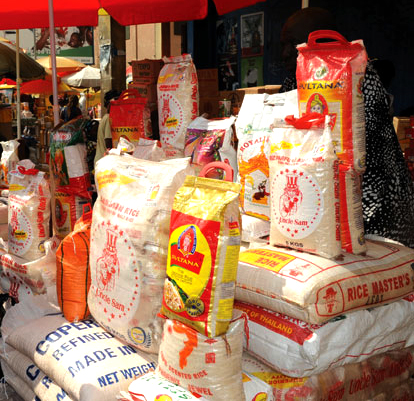
Food vendors have lamented the frequent increases in the prices of food items on the market.

The price of 25-litre cooking oil is said to have jumped from GH¢380 to GH¢1000 within the last three months.

The price of a 25 kg bag of rice has shot up from GH¢195 last year to GH¢390, while a carton of chicken has shot up from GH¢125 per 10 kg in July to GH¢300.

“A carton of frozen chicken used to sell at GH¢260 but now, it is going for GH¢300. If I knew it was going to be increased, I would have bought a lot for storage, but there isn’t money to even make that large purchase”, one seller said.

Some food vendors said, they are only in business to keep their customers, as they are making no profits.

“I am unable to increase prices, so it is only a small margin that I have added just to maintain my customers”, another said.

Data from the Ghana Statistical Service for September 2022 showed that, food inflation was 37.8% while non-food inflation was 36.8%.

Inflation for locally produced items was 35.8% while inflation for imported items was 40.7%.

Western Region recorded the highest food inflation (47.0%) and Eastern Region, the highest non-food inflation (42.0%). Eastern Region recorded the overall highest inflation (41.0%) followed closely by Western Region (40.2%) and Greater Accra Region (39.3%).

Transport (68.7%) recorded the highest rate of inflation in the Eastern Region, for food inflation in the Western Region, Fish and Other Seafood had the highest rate of inflation at 64.0%.

More than 90 percent of the sampled items recorded an increase in price.
Ad article

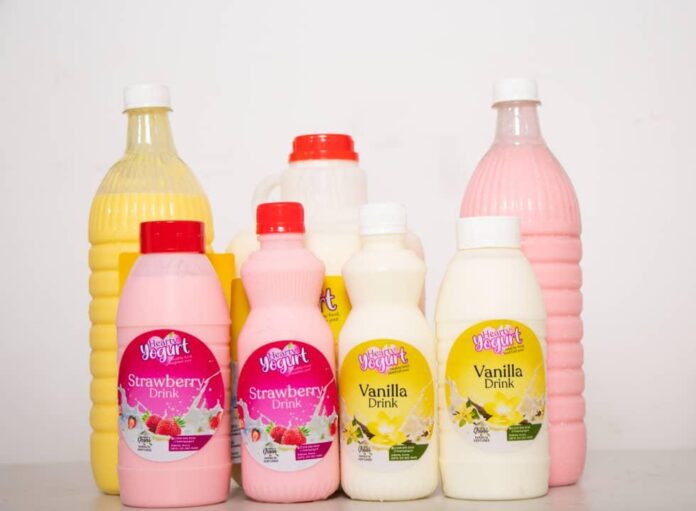
Hearty Delight Foods Introduces New Yogurt Products.

The Founder of Hearty Delight Foods, Madam Matilda Akosua Boahemaa said: “Our food products are designed for individuals, small to medium size companies willing to optimise and boost their performance”.

Hearty Delight Foods is a nutrition and Health Brand under Papakye Ventures. It started with healthy food services and evolved into a yoghurt manufacturing company because of the high demand for the freshly prepared yogurt category of their products, she explained.

“Our philosophy and fundamental purpose is to make the future better and worth living by building a first class organization that caters for our people, our customers and the world through quality health and nutrition”.

Madam Boahemaa also disclosed that the company currently makes diary and non-diary yogurts for the Ghanaian market.

She mentioned the categories which include plain dairy yogurt (Hearty Yogurt brand). All these according to her come with different flavouring like Strawberry, vanilla, pineapple, among others. These are nicely packaged for convenience in both 330mls and two litres and can be ordered online.

These yogurts provide fiber that promotes efficient digestion that normalises bowel movements; helps maintain bowel health, lowers cholesterol levels and control blood sugar levels. It also aids in achieving healthy weight, Madam Boahemaa said.

She was quick to add: “All our products contain probiotics. Probiotics are friendly bacteria that help prevent and treat some illnesses promoting a healthy gut and immune system.

Per order, we can also make non-dairy products formulated to help vegans and vegetarians”.

Papakye Ventures, the umbrella of Hearty Delight Foods is built on the philosophy of building a first-class organization that caters for the world through quality health and nutrition, she noted.

“We have plans to develop quality diary and non-products at lower price points to meet the needs of the malnourished in Ghana. This we believe will be more feasible as we develop new market in Ghana”.

Hearty Delight Foods is currently not in the international market. There are more opportunities to exploits locally and we want to ensure that we meet local demands before going international.

We don’t want to run faster than our strength and disappoint internal partners, but we are walking diligently to get there”.

We are sure to speed up when we develop the muscle to get there soon. We are not in haste because we believe we are doing the right thing and have the support of the almighty, according to the founder.

“We are a team of passionate people whose goal is to improve everyone’s life through healthy foods products.We build great food products to solve your business and individual problems.

We want Hearty Delight Foods to build one of the best-in-class manufacturing facilities in Ghana. We also want to excel in business excellence and built a profitable company that is not only interested in making money but creating value for all stakeholders especially for our communities we work with”.

We also want to see ourselves as a company doing business beyond the borders of Ghana and the West African Sub region”.

Ad article

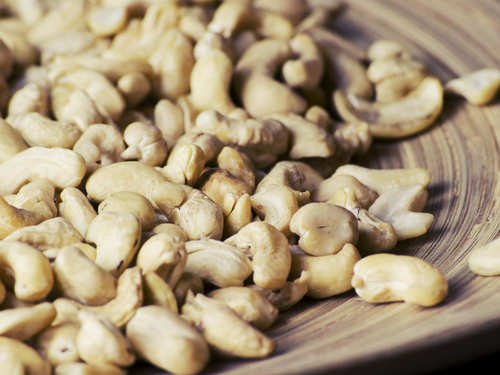
Cashew exports plunge deeper to 38% in September at $22.71 million.

Contracting for the last eleven months, the country’s cashew exports contracted by 38 per cent to USD 22.71 million in September succumbing to intense competition in the international markets. The exports have been declining since November last year, according to the data of the commerce ministry.

The data showed that the exports dipped by 34 per cent in April, about 30 per cent in May, about 6 per cent in June, 26.62 per cent in July and 31.5 per cent in August.Karnataka Cashews Manufacturers Association Vice President Tukaram Prabhu said that withdrawal of export incentives under ‘Vishesh Krishi and Gram Udyog Yojana’ too is impacting the outbound shipments.

“At present, we have no incentives to push shipments, though there is good demand in global markets. Our quality is much better than Vietnamese cashew. It is also a labour-intensive sector,” Prabhu said.

He urged the government to consider extending export incentives to boost exports. According to him, India’s edible cashew kernel production stood at 3,50,000-3,70,000 tonnes per year.

According to a cashew exporter from Kerala, domestic prices are 15 per cent higher than the export price, so traders are preferring to sell here.

“Demand in export destinations is not much of an issue for declining exports. The main reason is high cost of processing in India. It is four times more than that of Vietnam which is a major cashew exporter,” he said, adding, Vietnamese exporters are using machines, but here still “we are doing most of things manually”.

Roughly, the cost of processing in India is about Rs 3,600 per bag of 80 kilogram, as compared to about Rs 800 per bag in Vietnam, the exporter said. Domestic prices stand at about Rs 630 per kilogram in the wholesale market, while exports price is about Rs 560 per kilogram.

According to the data of Agricultural and Processed Food Products Export Development Authority (APEDA), exports were down 25.16 per cent to USD 113 million during April-August this fiscal.

Besides Vietnam, Indian exporters are also facing tough competition from African countries, including Guyana, Mozambique, Tanzania and Ivory Coast.

The African nations have formed ‘African Cashew Alliance’ to boost the industry in that continent.

The Indian cashew industry exports different grades and products like cashew kernels (wholes and broken), cashew nut shell liquid (CNSL), cardanol (purified CNSL) and flavoured kernels.

The country exports to about 80 countries, including the US, UAE, the Netherlands, Saudi Arabia, Germany, Japan, Belgium, Korea, Spain, France, the UK, Kuwait, Singapore, Qatar, Greece, Italy, Iran and Canada.

Kerala, Tamil Nadu and Karnataka are major cashew exporting states in the country.

Ad article

PPRSD urged exporters to intensify their hard work to avert future export bans.

Following recent notifications relating to non-compliance with certain import requirements of some of Ghana’s vegetable exports to the UK, the Plant Protection and Regulatory Services Directorate (PPRSD) (KIA) under the Ministry of Food and Agriculture has had a Stakeholders meeting with exporters to discuss measures to avert any possible future ban.

Ad article

GITAC commits to supporting women in agribusiness with seed funding.

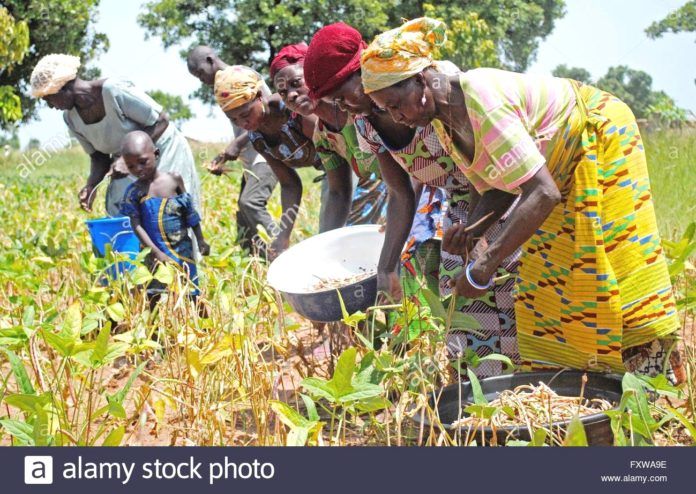
Women contribute about 60% of the agriculture sector, and almost all are smallholder farmers. In spite of contributing immensely to safeguarding food security, in Ghana, women are unable to access financial assistance to upscale production.

Ad article

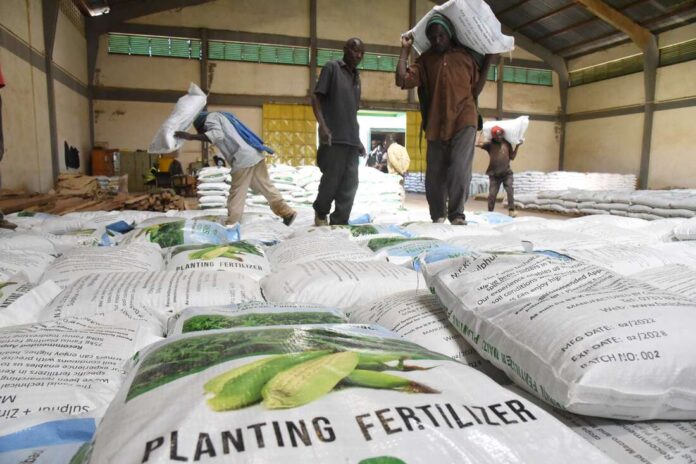
KTDA receives Sh5.2bn fertiliser from Russia for sale to farmers.

Kenya Tea Development Agency (KTDA) has received Sh5.2 billion fertiliser from Russia for sale to farmers at subsidised rates under the government-backed scheme.

The 940,000 bags of fertiliser are landing in Kenya at Sh5,617 for 50 kilos, but it will be sold to tea farmers at Sh3,500 in line with the government directive.

The latest consignment is an addition to 720,000 bags the agency received in September.“We are receiving the consignment on Tuesday to supply to farmers at a subsidy rate as it was directed by the government,” said a KTDA official.

The consignment will help farmers cut the cost of production and improve their productivity. Before the subsidy, the cost of a 50-kilo bag was Sh6,500.

The fertiliser will be ferried from the Port of Mombasa to Nairobi via the standard gauge railway (SGR) for onward transportation to the farmers.

This is after KTDA and Kenya Railways signed an agreement that would see cargo meant for export or import by the agency transported through the SGR to cut the cost of ferrying goods.

President William Ruto announced the subsidy in one of his earliest directives after assuming power in September.

The National Cereals and Produce Board (NCPB) has distributed nearly three-quarters of the planting fertiliser under the subsidy programme.

Last week, NCPB said it has supplied 307,200 bags of DAP fertiliser for sale to farmers across parts of the country that are preparing for a short rain crop.

The Board said it is working closely with the Council of Governors to enhance the distribution of the commodity through the regional government outlets.

NCPB will be opening county government-supported satellite-selling centres.

The board said it is interacting with farmers and other members of the public through social media and vernacular radio stations to enhance uptake of the subsidised fertiliser.

Ad article

Ghana’s import of tomatoes from Burkina reaches US$400m annually.

Trade data from the Ghana Vegetable Producers and Exporters Association (Ghana Vegetables) indicate that annual tomato import from neighbouring Burkina Faso has hit a staggering US$400million from an estimated US$99.5million in 2018.

Whereas the Ghana Incentive-Based Risk-Sharing System for Agricultural Lending (GIRSAL) has confirmed that the country currently imports 90 percent of its fresh tomato from Burkina Faso, it also added that the current national consumption demand of tomato is in excess of 800,000 metric tonnes per annum.

The president of Ghana Vegetables, Dr. Felix Kamassah, however attributed the rising imports and slump in local production to cost of fertilizer and quality seeds, and the lack of mechanisation and machinery

Our farmers grow the Burkina variety in Ghana, but the difference is sustainability and irrigation by mechanisation which is lacking here,” Dr. Kamassah said.

Ghana Vegetables, he indicated, is focusing on saving at least half of the amount internally by boosting production and increasing supply up to, at least, 40 percent.

More than 70 percent of tomato supply in major supermarkets and malls in Ghana are sourced from the Netherlands, Burkina Faso and other countries, data from Ghana Vegetables have shown.

Request to the Gov’t.

The Association wants government to support research institutions in seed development to grow seedlings in a greenhouse environments to enable year-round nursery.

It requested that mechanised irrigation, inputs and access to capital be prioritised in fruit and vegetable cultivation to combat changing trends in the current erratic climate occurrences, as well as governmental support and policies to lure the youth into vegetable farming.

“The PFJ policy must devote a chunk of resources to vegetable cultivation. That is the only way to increase support to farmers in the sector and whip up interest. We want the Food and Agriculture Minister to engage the horticulture industry on the way forward,” he said.

Recent climatic conditions in Europe have been increasing demand of tomato, as lack of sunshine, and heavy rains in some parts of that continent are creating unfavourable conditions for the fruit’s cultivation.

But Dr. Kamassah indicated this is the time for government to support local producers to meet rising demands in the European market.

Setbacks in tomato production.

GIRSAL has identified that the slump in local tomato production is attributed to most farmers cultivating less than 10 metric tonnes per hectare against the potential of 20 metric tonnes per hectare.

Besides, poor agronomic practices, lack of varieties for commercial agro processing, as well as farmers still planting local varieties – typically with high water content, many seeds, poor colour, and low brix level – have all been identified as key production setbacks.

Ad article

Somalia could face acute food insecurity.

Aid organizations and the United Nations are calling for urgent famine relief in East Africa – as the people of Kenya, Somalia and Ethiopia confront their worst drought in 40 years.

Oxfam says food shortages are likely to cause one death every 36 seconds until the end of the year – while the United Nations Food and Agriculture Organization says help is needed now.

Etienne Peterschmitt, Representative in Somalia, Food and Agriculture Organization (FAO):

“We should not wait for a famine declaration to act, because then it will be too late. We know from 2011, when we faced a famine situation and a famine declaration, that by the time the famine was declared half of the 260,000 people who died had actually already died.”

Four successive seasons of poor rainfall have caused livestock to die and crops to fail – with rural populations in hard-to-reach areas of Somalia the hardest hit.

According to Etienne Peterschmitt, “The current drought is the worst that we have seen in the last four decades. It has affected about 7.8 million people. So just to put things in perspective this is about half of Somalia`s population. 90% of the country is facing extreme drought”.

High food prices caused by the war in Ukraine have exacerbated the situation, while food instability is often linked to an increase in gender-based violence

Ad article

RFJ: Ghana National Association of Cattle Farmers were not engaged – President.

The Rearing for Food and Jobs is one of the government’s flagship programmes that seeks to develop a competitive and more efficient livestock industry for economic growth.

The programme is a five-year campaign expected to run from 2019 to 2023. The initiative is designed to address bottle-necks along five key value chains in the livestock sub-sector. They include sheep, goats, and pigs. The rest are poultry and dairy cattle.

The programme is also aimed at increasing domestic food production, while creating employment for the youth.

According to the President of the Ghana National Association of Cattle Farmers, Imam Hanafi Sunde, the government has not engaged them in any way on the project.

“Sometimes when the facts are pointed out, it is to draw the attention of people to do something better. For us the association, we have not felt the impact of the Rearing for Food and Jobs,” he lamented.

Meanwhile, the Chairman of the Cattle Ranching Committee, Dr. Kwame Oppong Anane insists that the government initiated the ranching system to back the Rearing for Food and Jobs programme to improve the livestock industry.

He however adds that there are still some challenges that must be addressed.“The meat consumption recommended is 30kg per annum per person.

According to Food and Agriculture Organisation (FAO), Ghana is consuming 16kg and our own statistics show that the average Ghanaian consumes about 14kg.

Although we consume about half of the recommended intake, 60 percent of what is consumed is imported. Ghana has potential to rear all types of livestock with reference to how big the poultry industry is. If we can improve in feed production, the livestock sector will greatly improve which will end importation and generate more income for our farmers,” he said.

With just a year to assess the programme, it is important for government to engage all stakeholders in the cattle rearing sector to ascertain the number of employment created, as well as its impact on the economy.

Ad article

Ghana, 4 other ECOWAS states get $250m EBID support.

The Board of Directors of the ECOWAS Bank for Investment and Development (EBID) has approved a total of USD 250 million for Ghana and four other member states to boost the oil & gas, energy, road infrastructure and agricultural sectors of West Africa.

The other beneficiary countries are Burkina Faso, Nigeria, Senegal, and Sierra Leone. The approvals are part of the intensified efforts by EBID to invest in key sectors to spur up post COVID-19 pandemic recovery and mitigate the impact of the Russia – Ukraine war on the member states of ECOWAS.

This was disclosed by the President and Chairman of the Board of Directors of EBID, Dr George Agyekum Donkor at the just ended 79th session of the Board of Directors of the Bank.

In his opening statement, Dr Donkor observed that the impact of the COVID pandemic and ongoing Russian – Ukraine war have left many economies in tatters.

He indicated that the current market conditions have compelled investors to seek premium on investments in sub-Saharan Africa thereby increasing the cost of capital.

According to the President of EBID, this has resulted in dampening economic growth, wide-spread balance of payments deficits, unfavourable terms of trade, depletion of central bank international reserves, fiscal deficits, and debt distress.

Therefore, Dr Donkor stressed the need for EBID, as the financial arm of ECOWAS, to deepen its financial intermediation in all the critical sectors of the Member States to assist them to recover from the economic challenges.

Present at the session was the Vice-President of the ECOWAS Commission, Her Excellency Damtien L. Tchintchibidja, who lauded the tremendous impact of EBID’s interventions in the sub-region and assured the Bank of the commitment of the new administration of the ECOWAS Commission to collaborate and support EBID in its multifarious activities especially in the area of resource mobilization to transform the ECOWAS Communities.

Ad article