
Achieving youth-inclusive agrifood systems requires expanding economic opportunities, equipping young people with the necessary skills and resources, including access to quality education and training, and facilitating their access to productive resources.
Ghana’s agrifood systems present significant opportunities for economic transformation, particularly through increased participation of young people and women. However, despite growing interest in agribusiness, youth engagement remains constrained by structural barriers, including limited access to regional markets, inadequate knowledge of cross-border trade processes, and weak coordination between policy frameworks and implementing institutions.
It has become evident that young people need agrifood systems just as much as agrifood systems need young people. According to the FAO report, The Status of Youth in Agrifood Systems outcomes: Strengthening the Evidence for Youth-Inclusive Agrifood Systems, involving young people in policymaking and safeguarding their future within agrifood systems can generate significant gains.
Although youth employment in agrifood systems has declined over time because of reduced agricultural employment, youth inclusivity within Ghana’s agricultural sector, agribusiness, and the broader agrifood system is steadily gaining momentum as stakeholders and policymakers intensify efforts to empower young people and position them at the center of agricultural transformation.
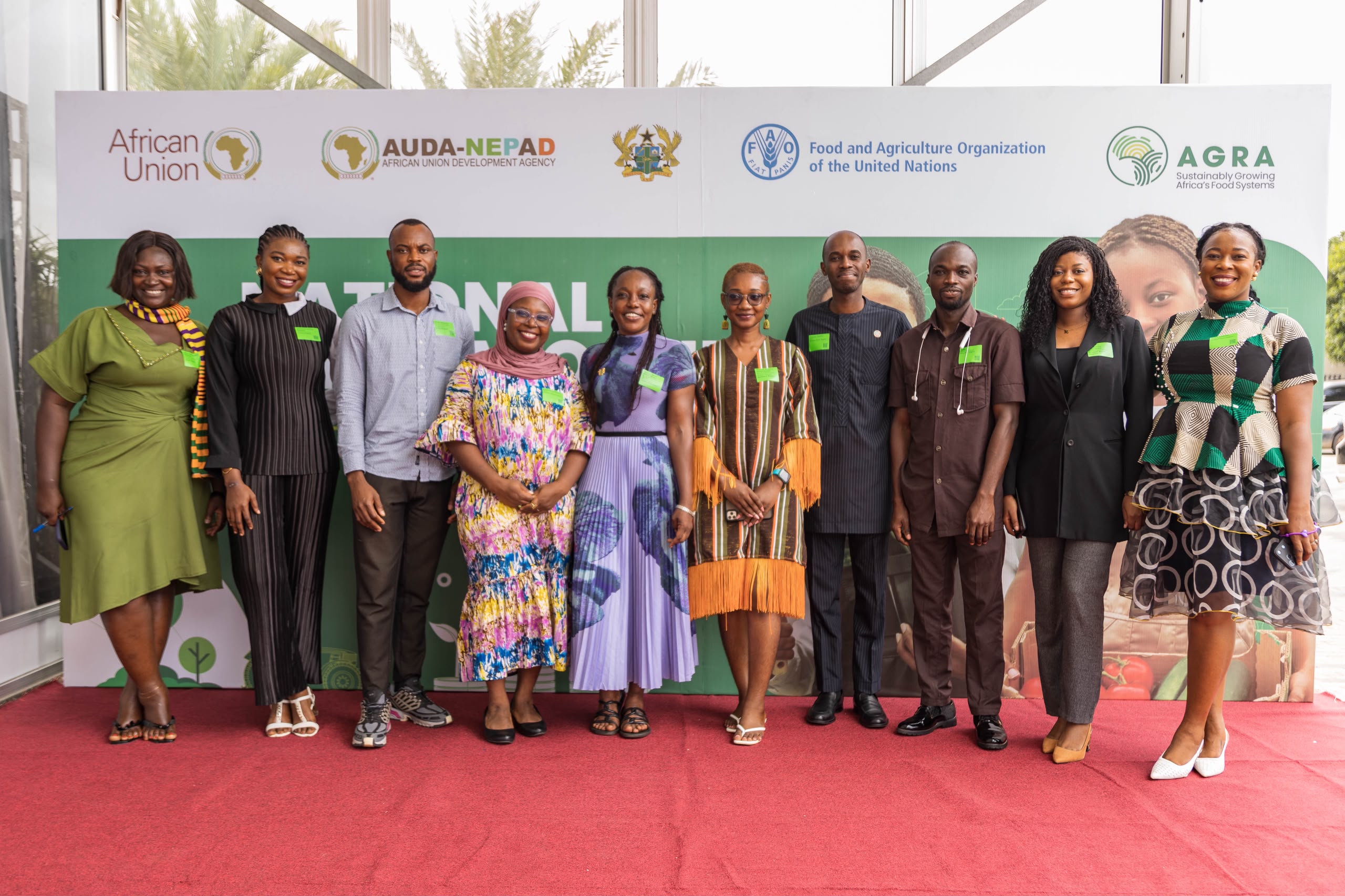
In line with efforts to increase youth participation and inclusivity, AGRA and FAO organized a National Youth Dialogue, focusing on strengthening youth participation in agribusiness through the African Agribusiness Youth Strategy (AAYS) and the Youth in Agrifood Systems Performance Index (YAPI) pillars.
A key outcome of the dialogue was the call by Member of Parliament of Wa East Constituency and Chairman of Parliamentary Select Committee on Food and Agriculture, Hon. Dr. Godfred Seidu Jasaw, for young people to come together to establish a nationwide youth-led movement that would serve as a strong advocacy platform for youth inclusion in agricultural policy development and implementation, by recognizing and highlighting the needs of young people and encouraging their participation in policy, regional and continental market trade.
The Ghana Chapter of the World Food Forum is fully aligned with this call, as the goal for which the FAO initiated the World Food Forum is to drive a nationwide youth movement in agrifood systems.
The Chapter’s active participation in the National Youth Dialogue has further strengthened its position to lead and drive this call for a unified youth-led movement that speaks with one voice.
The World Food Forum (WFF) Global Youth Action Initiative is a global platform for youth engagement that brings together young people from around the world to drive action for more sustainable, inclusive and resilient agrifood systems. Through a growing network spanning 62 countries and reaching tens of thousands of young people, the WFF Youth Initiative supports youth-led action and empowers the next generation of change-makers to contribute to agrifood system transformation.
Stationed within the Office of Youth and Women (OYW) at FAO headquarters in Rome, the WFF serves as a dynamic platform that empowers young people to transform agrifood systems for a better food future through its five thematic programmes: Youth Assembly, Youth Innovation Lab, Youth Education, Youth Culture and Local Youth Action.
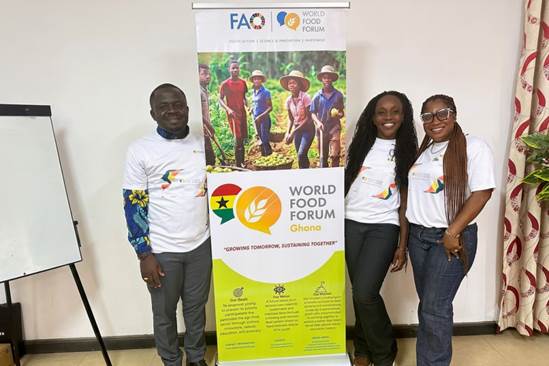
The Ghana Chapter of the World Food Forum (WFF) was established in Ghana in 2024. The Chapter is steadily growing and positioning itself as one of the strongest youth-led agrifood systems movements in Ghana by harnessing the innovative capacities of Ghanaian youth across all 16 regions to identify grassroots solutions and inspire positive action for the country’s agrifood systems.
Guided by and aligned with the principles of the World Food Forum Office of Youth and Women in Rome, which serves as a leading youth platform for global food governance and a think tank promoting youth-led solutions in science, innovation, technology, culture and advocacy, the Ghana Chapter is leading conversations and connecting young people through strategic local, national and global activities.
With a growing membership, the Ghana Chapter has over the years undertaken and continues to implement projects and activities across the regions through its well-established Regional Focal Representatives and working groups.
The World Food Forum Ghana Chapter currently has Regional Focal Representatives in 11 of Ghana’s 16 regions, namely the Ashanti, Greater Accra, Western North, Volta, Oti, Bono East, Northern, Upper East, Upper West, Bono and Central regions.
These representatives coordinate regional activities, engage young people, facilitate partnerships and support the implementation of the Chapter’s programmes at the local level.
The Ghana Chapter has also established working groups within its structure to drive youth-focused programmes. These include the Research, Innovation and Culture Working Group; the Social Protection and Women Inclusion Working Group; the Agribusiness and Entrepreneurship Working Group; the Health and Nutrition Working Group; and the Livestock, Fisheries and Aquaculture Working Group.
In the coming months, additional working groups will be introduced to focus on Agronomy, Horticulture and Mechanization, Forestry and Wildlife, Agroforestry, and Carbon Markets.
The working groups comprise dedicated members who lead discussions and initiatives within their respective focused areas.
Sitting at the helm of the affairs and operations of the Ghana Chapter of the World Food Forum is the National Steering Committee, led by the Steering Committee Chair, the National Lead, the Projects Lead and the Social Protection Lead.
All four Steering Committee members are part of the founding members of the Chapter in Ghana, spearheading and overseeing its activities to ensure the smooth implementation of the Chapter’s youth-centered policies while advocating for greater youth inclusion and creating awareness of the need to ensure that no one is left behind.
The founding members and leadership of the Ghana Chapter include Anthony Aidoo, Founder and Steering Committee Chair; Alberta Nana Akyaa Akosa, Co-founder and National Lead; Philipa Mensah, Founding Member and Social Protection Lead; and Elliot Mensah, Founding Member and Research and Education Lead.
Beyond driving the youth inclusion agenda in Ghana, the Steering Committee has had the privilege of representing the Ghana Chapter on global platforms to champion youth action, with the strong support and backing of the Food and Agriculture Organization of the United Nations (FAO).
Among the key international events in which the Chapter participated was the historic 34th Session of the FAO Regional Conference for Africa (ARC34), where, for the first time in the Conference’s history, young people from across Africa were officially represented. The WFF Africa Chapters actively engaged over 489 participants including Ministers responsible for Food and Agriculture from the 51 African member countries, demonstrating FAO’s commitment and deliberate efforts to promote meaningful youth inclusion and accountability in agrifood systems.
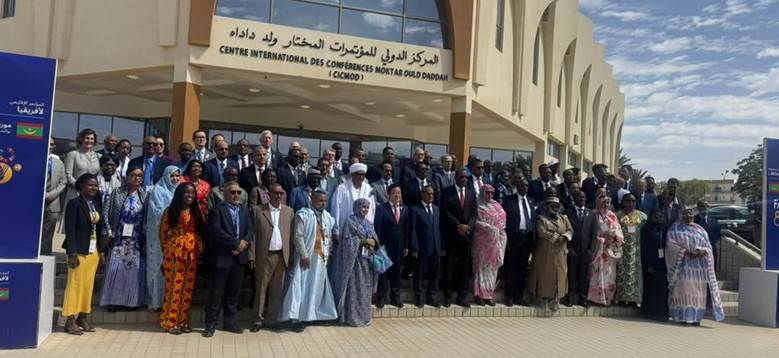
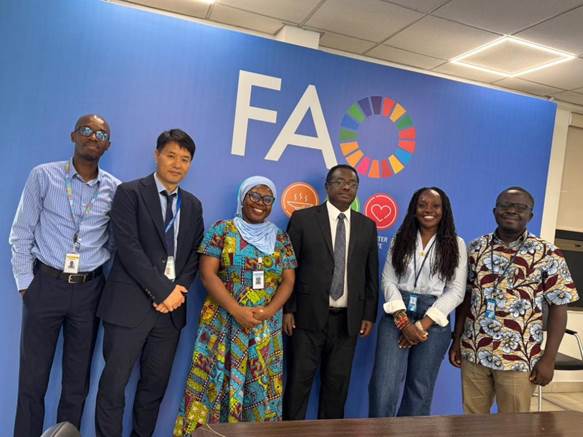
In 2025, the Ghana Chapter, together with FAO, took center stage to present the Status of Youth in Agrifood Systems outcome report at the Africa Food Systems event in Senegal. FAO’s intentional approach to advancing youth inclusion through the World Food Forum Chapters across the globe remains one of the most practical models for securing the future of food systems.
The Ghana Chapter has also participated in the annual World Food Forum flagship event in Rome with support from FAO. Held every October, the flagship event brings together more than 20,000 young people from around the world to exchange ideas, share innovations and develop practical solutions for transforming agrifood systems.
FAO is demonstrating in practical terms that young people can be active participants at every stage of the food and agricultural value chain through the World Food Forum Chapters. We therefore encourage young people across Ghana to come on board and join the World Food Forum Ghana Chapter.
The call by the Chairman of the Parliamentary Select Committee on Food and Agriculture, Dr. Jasaw, for Ghana to champion an inclusive youth-led agrifood systems movement resonates strongly with the vision of the World Food Forum Ghana Chapter. In the coming months, the Chapter will engage the various Parliamentary Select Committees to further strengthen collaboration and develop pathways for aligning our activities with national policy priorities.

Currently, the Ghana Chapter of the World Food Forum has over 800 members spread across all 16 regions of Ghana. Our immediate focus is to strengthen this growing membership base by investing in more localized and practical approaches that keep members actively engaged through innovative initiatives and programmes.
Earlier this year, the Chapter held its Second Annual Youth Assembly, bringing together members, Regional Focal Representatives and Working Groups to review progress, assess achievements and develop strategies that will shape the Chapter’s future conversations, programmes and activities.
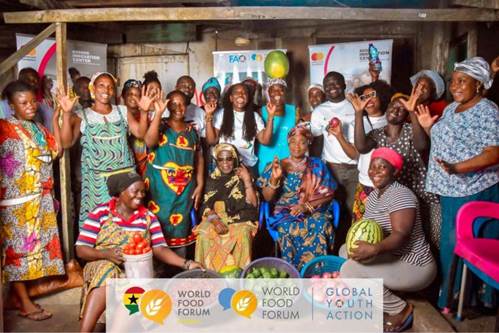
The Chapter has also organized several key activities across the country, including the Traditional Market Women and Traders’ Symposium at Agbogbloshie, which brought together more than 150 traders to engage with young people on strengthening agrifood systems and addressing critical barriers affecting local food markets.
As part of the International Youth Day celebrations, the World Food Forum (WFF) Ghana Chapter engaged more than 500 students at Accra Academy Senior High School, inspiring and equipping them with the knowledge and tools needed to transform Ghana’s agrifood sector while encouraging them to contribute actively to food security and sustainability.
Through a Farmers’ Symposium held at Fumso Ketewa in the Adansi Asokwa District of the Ashanti Region, the Chapter also took a bold step in demonstrating that agriculture can be profitable when managed as a business. The symposium brought together 73 participants from surrounding rural communities.
The Chapter also organized a major women empowerment and youth-led dialogue at the University of Energy and Natural Resources (UENR). Titled, “What It Takes to Empower the Young Ghanaian Woman in Agrifood Systems Through Youth-Led Actions,” the event attracted 150 participants, including students, early-stage agripreneurs and young professionals, to amplify the voices of young women in agrifood systems transformation.
The Chapter also partnered with the FAO Country Office in Accra to host a fisheries and livestock event promoting local production in the Volta Region.
The Ghana Chapter has further partnered with key organizations, including the Ministry of Food and Agriculture and Agrihouse Foundation, to host Ghana Poultry Day, an annual event that brings together stakeholders across the poultry value chain to develop and recommend measures for promoting local poultry production and consumption.
In line with the recognition of 2026 as the International Year of the Woman Farmer, the World Food Forum Ghana Chapter has once again partnered with Agrihouse Foundation and Agriwatch GH News Portal to produce a documentary series highlighting and celebrating the outstanding contributions of women farmers, including women farmers with disabilities, to the development and sustainability of Ghana’s agrifood system. The documentary is currently shown weekly as docu-series on prominent media outlets’ online pages ad websites including Ghana News Agency (GNA), Asaase 99.5 FM, Asaasepa 107.3 FM, Agriwatch GH, and Business and Financial Times (BFT).
The Chapter is also implementing a school farm project, beginning with Accra Girls Senior High School, as part of the AgriXperience School Project to enhance food production and availability in Senior High Schools.
Members of the World Food Forum Ghana Chapter enjoy numerous opportunities, including networking with industry leaders and fellow young professionals; access to valuable resources, information and learning materials; participation in national and international events and conferences; leadership development opportunities; professional and organizational growth; increased visibility and recognition; training, mentorship and capacity-building programmes; as well as access to strategic partnerships and collaborative opportunities.
The World Food Forum Ghana Chapter welcomes all young people, students, agripreneurs, researchers, development practitioners and stakeholders who are young at heart and passionate about transforming Ghana’s agrifood system to join this growing youth-led movement.
Hand in hand, we can strengthen youth participation, influence policy, promote innovation and build a sustainable food future for Ghana, ensuring no one is left behind.