
An investment of US$35.7million under Ghana’s Harnessing Agricultural Productivity and Prosperity for Youth (HAPPY) programme is yielding positive results, with significant job creation, higher output across key value chains and rising revenues, programme partners have said.
The youth-focused agricultural initiative, led by Agri-Impact Limited in partnership with the Mastercard Foundation, is designed to transform Ghana’s agriculture sector by creating opportunities for young people—particularly women and persons with disabilities—while boosting domestic production and reducing food imports.
Since its inception to December 2025, the programme has created more than 8,000 youth jobs and trained about 10,000 value-chain actors. It has supported the production of poultry valued at US$4.6million, delivering 7.5 thousand metric tonnes of broiler meat, and has generated revenues of US$25.2million.
HAPPY is a four-year (2023–2027) integrated, market-oriented and catalytic agricultural value-chain programme aimed at cutting Ghana’s average annual food import bill of about US$2billion. It seeks to unlock dignified and sustainable employment for youth, women-led enterprises and people with diverse abilities.
The programme focuses on four priority value chains—rice, soybean, tomato and poultry—targeting more than 400,000 beneficiaries. It aims to place about 326,000 young people into work, with women accounting for 70 percent, and to raise productivity by 28 percent in rice, 42 percent in soybean and 44 percent in tomato production.
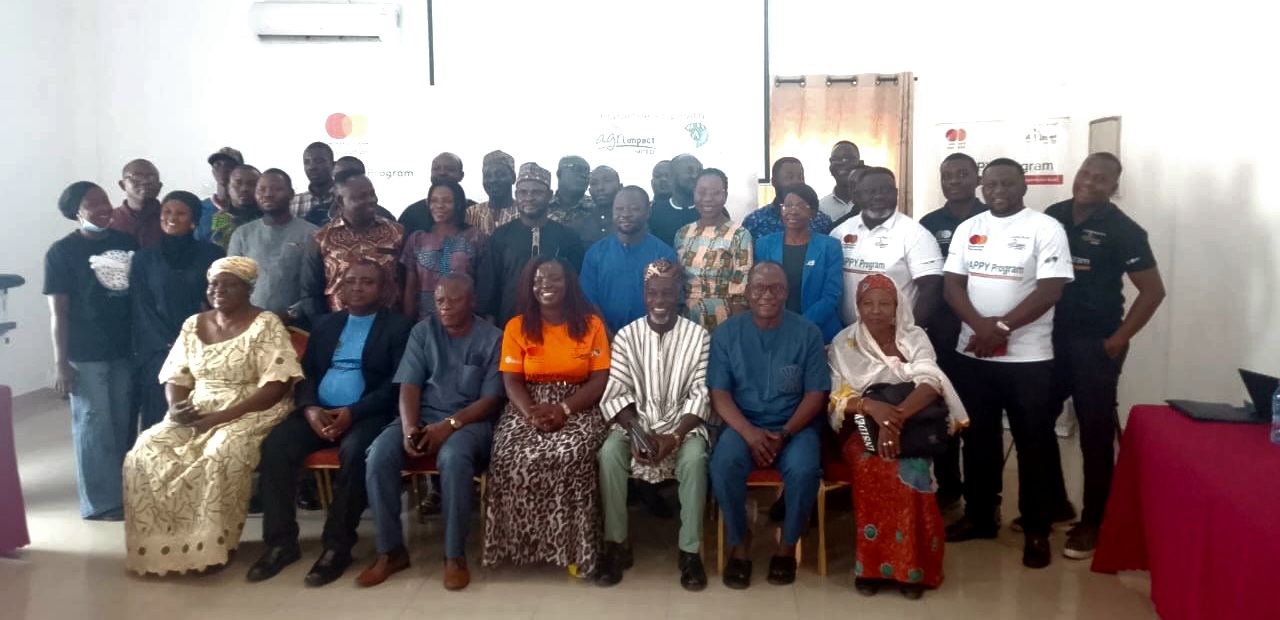
These outcomes were highlighted at a Northern Regional stakeholder workshop on the Poultry Sector Master Plan, which brought together poultry stakeholders from the five northern regions.

The event was organised by the Ministry of Food and Agriculture (MoFA), through its Animal Production Directorate, in partnership with Agri-Impact Limited and the Mastercard Foundation’s HAPPY Programme, under the theme “Deepening Impact, Transitioning Youth into Dignified and Fulfilling Work”.
A consultant has been engaged to develop a Poultry Sector Master Plan for Ghana, drawing on nationwide stakeholder consultations. The plan is expected to provide a data-driven roadmap to reduce import dependence, strengthen competitiveness, create jobs for youth and women, and guide public and private investment across the value chain.
It will also validate baseline insights on poultry value-chain competitiveness, identify binding constraints, policy and infrastructure needs, and investment priorities, while capturing stakeholder inputs through focus group discussions and syndicate sessions to inform the final implementation roadmap.
Implementing partners include the Ministry of Food and Agriculture, Newage Agric Solutions Limited, Ghana Enterprises Agency, TechnoServe, the Millennium Development Authority, National Service Authority, Catholic Relief Services and Jobberman.
The Northern Regional Director of the Department of Agriculture, Hajia Hawa Mush, commended Agri-Impact Limited and the Mastercard Foundation for their continued commitment to making agriculture more attractive to young people.
“The poultry sector occupies a strategic position in Ghana’s food and nutrition security agenda as a critical source of affordable animal protein, a driver of rural livelihoods and a sector with immense job-creation potential,” she said.
She noted that the master plan would help address longstanding challenges in the sector and curb the importation of poultry products, adding that the Northern Region was well positioned to become a significant contributor to national poultry production with the right investments and partnerships.

The National President of the Ghana National Association of Poultry Farmers, George Dassah, called for effective and efficient policies free from political interference to ensure sustainable growth of the industry.
Deputy Director at MoFA’s Animal Production Directorate, Ricky Aboagye Poku, said the sector had long been bedevilled by challenges despite its potential, adding that effective implementation of the programme would help grow the industry and enable government to generate revenue for development.
Business Development and Research Manager at Agri-Impact Limited, Prince Manu Yeboah, said Ghana’s agricultural sector remained rich in untapped potential. He noted that the HAPPY Programme, aligned with national food security and industrialisation strategies, targets more than 46,000 graduates and complements other youth-focused initiatives in entrepreneurship, education and information and communication technology.