
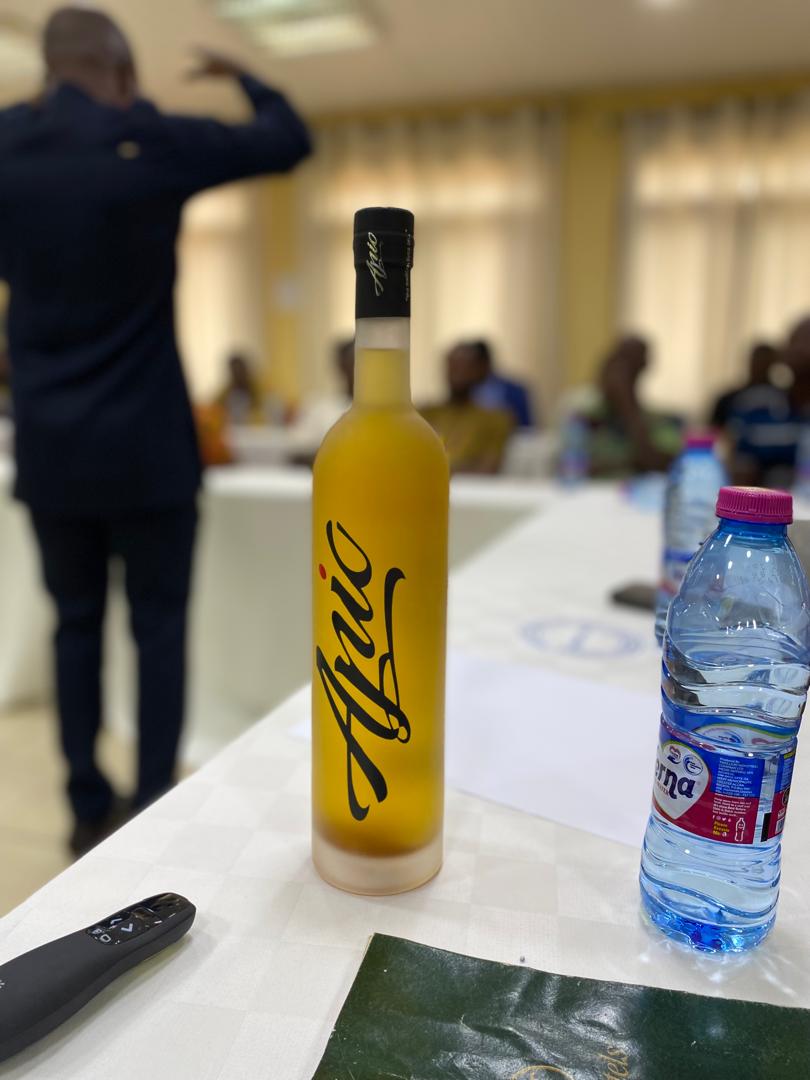
Ghana is on the verge of doing for Apio what Scotland did for Scotch Whisky and what France did for Cognac. Across the world, some of the most successful products are not simply commodities. They are products whose value is inseparable from the places, traditions and communities that produce them.
The country’s traditional palm-based spirit, distilled exclusively from fermented palm sap, is deeply rooted in local knowledge, rural livelihoods and cultural identity.
Through the development of a Geographical Indication (GI), Ghana now has an opportunity not only to preserve this heritage but also to transform it into a source of long-term economic value.
A geographical indication identifies products whose qualities, reputation, or characteristics are linked to a specific place of origin. Around the world, GI protection has helped transform local products into globally recognized brands while protecting producers from imitation and misuse.
Why the examples of Cognac and Scotch Whisky Matter
According to BNIC industry figures, Cognac generated approximately €2.22 billion in export sales from 143.6 million bottles sold in nearly 139 countries during 2025, supporting around 14,500 direct jobs and 72,500 livelihoods.
Likewise, Scotch Whisky exports were worth approximately £5.3 billion in 2025, with 1.34 billion bottles exported to more than 160 global markets. These figures illustrate that the value of protected spirits comes from authenticity, origin, quality standards and reputation built over generations.
Ghana’s Palm Heritage
For generations, palm trees have supported livelihoods through palm wine tapping, palm oil production, food processing, medicines, construction materials and trade. Palm wine tapping remains one of Ghana’s oldest traditional occupations.
What Producers Stand to Gain
A stronger identity for authentic palm-derived Apio could create more stable demand for palm sap, improve market opportunities for traditional distillers and encourage younger generations to remain engaged in a centuries-old occupation.
A Strategic Opportunity for Ghana
In 2025, Champagne generated approximately €5.7 billion in sales, Cognac generated €2.22 billion in exports, and Scotch Whisky exports exceeded £5.3 billion globally.
While Apio will not achieve similar values overnight, these examples demonstrate the long-term economic potential that can emerge when authenticity, reputation and origin are protected.
A Defining Opportunity for Ghana
There are only a handful of products that become ambassadors for their countries. Cognac is inseparable from France. Scotch Whisky is inseparable from Scotland. Tequila is inseparable from Mexico. Ghana now has an opportunity to place Apio among that distinguished group of origin-linked products.
That is why Ghana is moving to protect Apio. Not simply to safeguard a traditional spirit, but to unlock the economic potential of one of the country’s most distinctive cultural assets and lay the foundation for a future in which Apio stands proudly alongside the world’s most respected protected spirits.
Conclusion
Protecting Apio as a Geographical Indication is not merely a legal exercise. It is an investment in Ghana’s culture, economy, and future competitiveness. The success of Champagne, Bordeaux, Scotch Whisky, and Tequila demonstrates the power of geographical indications to transform local products into internationally respected brands. Ghana now has an opportunity to build a similar success story around Apio.
By protecting authentic palm-derived Apio and ensuring that the benefits reach palm wine tappers, distillers, and rural communities, Ghana can create a model of inclusive development rooted in its own traditions and resources. Ultimately, this is not only about protecting a spirit, but also about protecting a heritage, a livelihood, and a uniquely Ghanaian story.