
Dr Alhassan Iddrisu, government statistician has revealed that charcoal has become the single biggest driver of inflation in Ghana, with prices surging by more than 50% over the past year and placing renewed pressure on household budgets.
Speaking on JoyNews’ PM Express Business Edition on Thursday, Dr Iddrisu said the development comes despite what he described as a remarkable turnaround in the country’s overall inflation performance.
“By all standards, this is a remarkable turnaround, and every Ghanaian should know this,” he said.
However, he cautioned that beneath the positive headline figures, worrying signs are emerging in the food sector. According to him, food inflation rose to 3.3% in May 2026, up from 2.2% in April.
“Food inflation rose to 3.3% year on year, up from 2.2% in April,” he noted.
He added that food prices jumped sharply within a single month, a trend the Ghana Statistical Service is monitoring closely.
“In fact, in just one month, that’s between April and May 2026, we saw food prices actually jumped 2% and that’s one of the fastest we have seen, you know, in a single month in terms of price movements,” he said.
Dr Iddrisu pointed to tomatoes as one of the products behind the increase. He said tomato prices rose 35.8% between May 2025 and May 2026, and recorded an even steeper jump in a single month.
“In fact, in just the month of May, which is between April and May 2026 alone, the prices of tomatoes actually jumped up 38.8%, so that’s a real supply shock,” he explained.
He linked the spike to disruptions in supplies from Burkina Faso after attacks on Ghanaian traders and the subsequent export restrictions.
“As we all know, earlier this year, Ghanaian traders were attacked in Burkina Faso, and an export ban followed that disrupted tomato supply into our market, and even after the ban was reversed on April 2, the damage was already done, and prices, you know, already spiked,” he said.
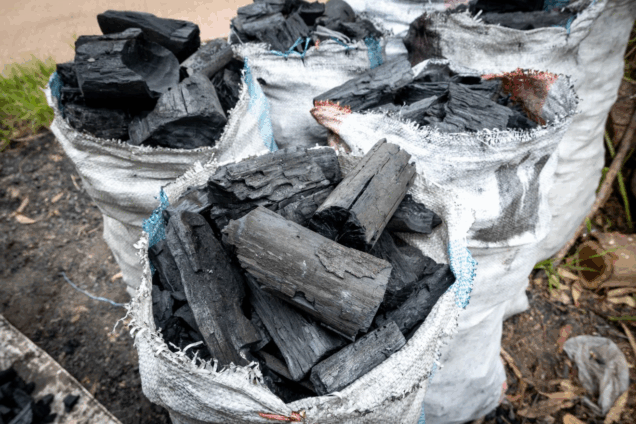
But the Government Statistician said the biggest concern remains cooking fuel. He disclosed that charcoal accounted for the largest share in Ghana’s inflation basket.
“Charcoal prices rose by 50.1% over the year, meaning year on year, that is between May 2025 and May 2026, and charcoal is actually the single largest contributor to our national inflation,” he said.
According to him, charcoal alone accounted for about 13.1% of Ghana’s total inflation figure in May.
“And as we know, many Ghanaian homes still cook with charcoal, and when that cost goes up, everyone feels it,” Dr Iddrisu added.
His comments highlight the growing gap between improving national inflation indicators and the daily realities facing households, many of which continue to grapple with rising food and energy costs despite broader economic gains.