
The food systems in Africa that survive the fertiliser crisis linked to the Iran war will be those that put in place nutrition-focused programmes and continue investing in innovations that reduce dependence on fertiliser.
Our report identifies ten high-impact interventions that improve nutrition and dietary outcomes. Several are particularly relevant right now:
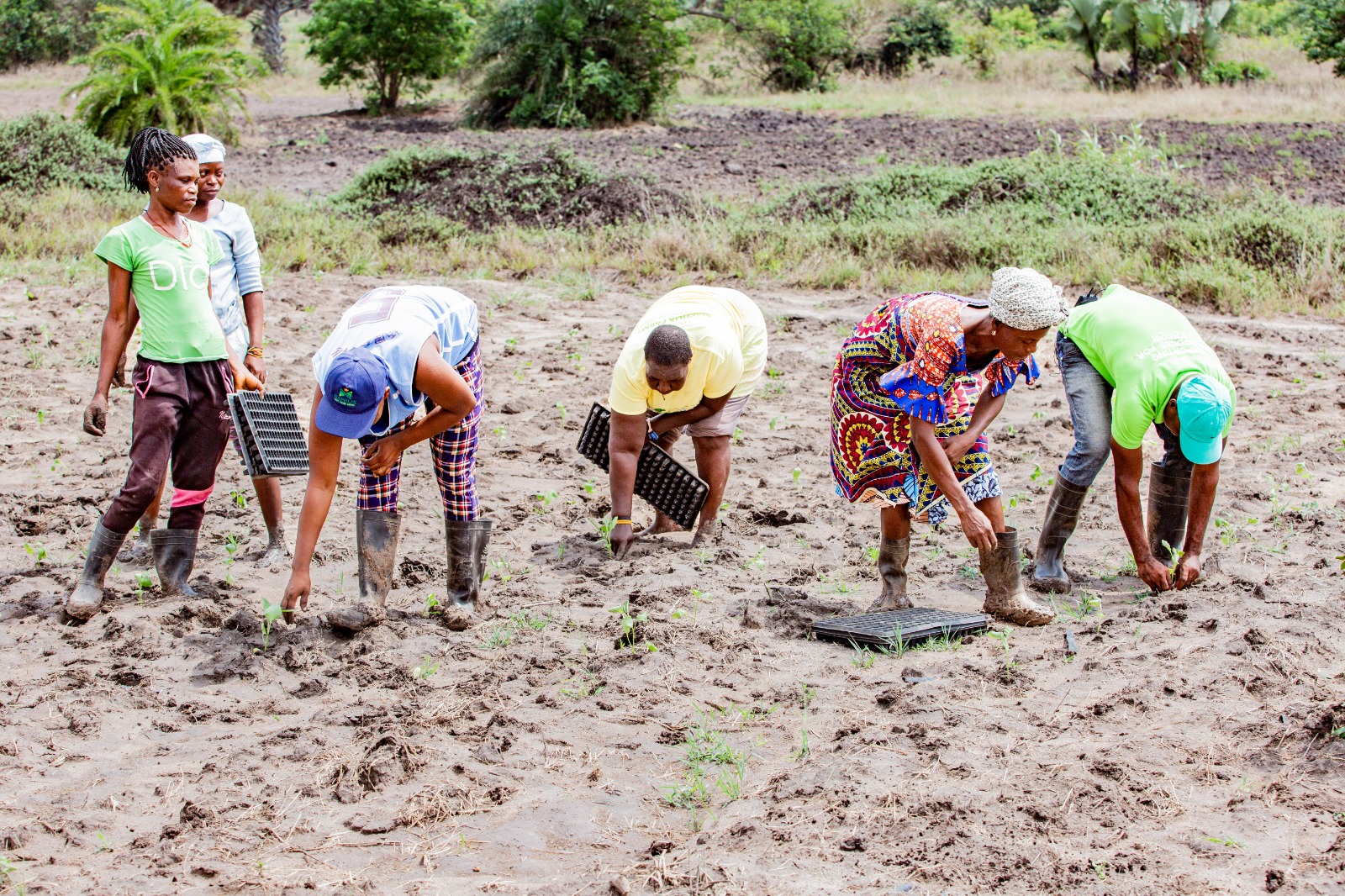
- Farmers should start growing fruit, vegetables and pulses, and farming with trees (agroforestry). This improves the health of the soil and produces nutrient-dense food.
- Home gardens can improve diets and household food security, if people get training and nutrition education.
- Sustainable aquaculture (fish) and livestock farming, including poultry, boosts production and protein consumption.
- Bio-fortified crops, such as high-iron beans grown in Rwanda and vitamin A-rich, orange-fleshed sweet potatoes in Mozambique, build nutrition directly into the crop during production. Because they contain more nutrients, they don’t waste as much fertiliser.
- Storage and distribution infrastructure reduces spoilage of food. It also improves the quality of food.
- Foods can be fortified (have essential vitamins and minerals added) when they are being processed. These improve nutrition without requiring any changes in how food is grown.
- Food and agricultural handling practices must be introduced to keep crops safe to eat.
- Nutrition education helps people make better everyday food choices so that, when food is available, people eat more varied and nutritious diets.
- Social protection programmes, such as cash transfers and food vouchers, help families during times when prices rise.
- Providing school meals specially designed to be nutritious offers a high return on investment.
What needs to happen next
Our research emphasises that these interventions can only work as a bundle or package of support. Gender matters too; our research found that women don’t always get to eat nutrient dense food even when there is more available at home.
These interventions represent what we know works today. But governments and researchers should look beyond these too. For example, scientists at the Centre for Research on Programmable Plant Systems (including scientists at Cornell University) are engineering specialised plants known as “reporter” plants. A reporter plant is typically placed strategically in a field of crops to act as an early warning system.
They have developed a tomato plant, for example, that turns vivid red when soil nitrogen levels drop to critically low levels. This plant gives farmers precise, real-time information about what their fields need.
Tools like these could transform that relationship farmers have with fertiliser: reducing waste, cutting costs, and building a form of fertiliser intelligence into the farming system itself.