
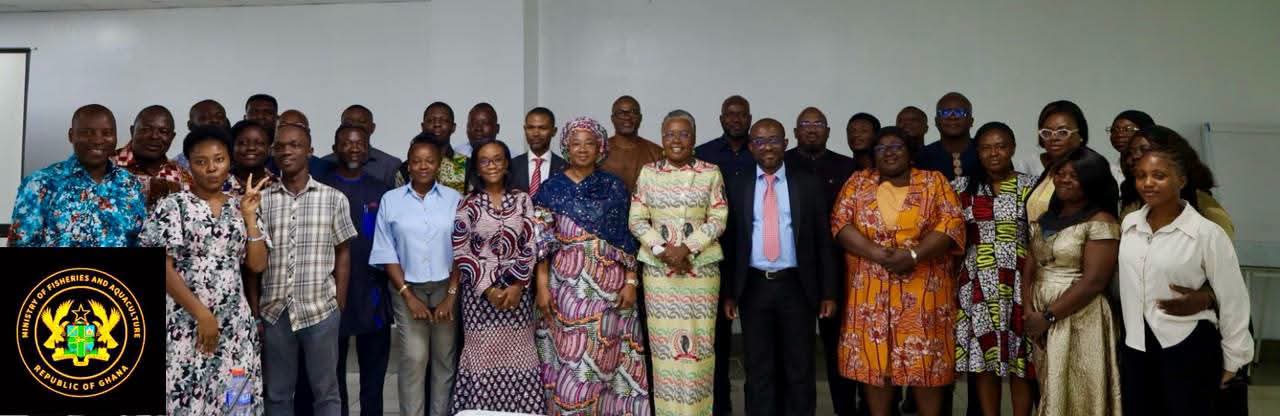
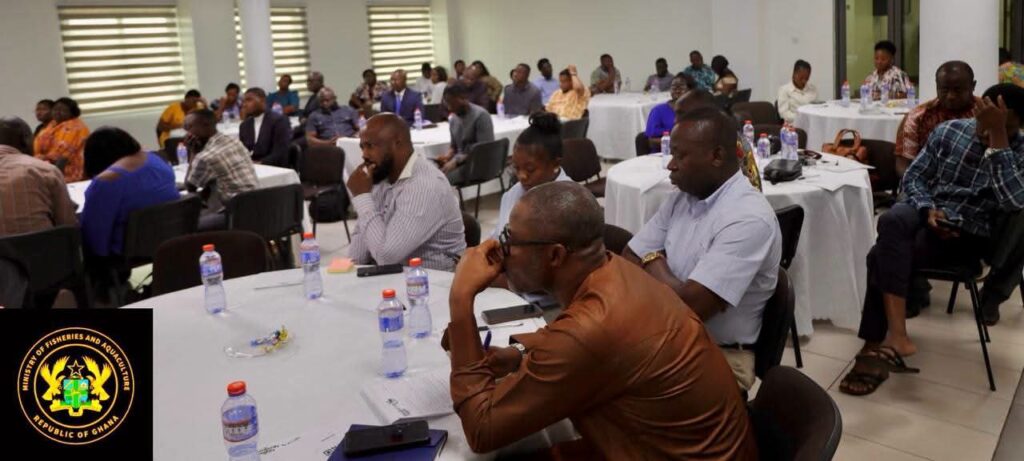
To appreciate the dynamics, techniques, and give accurate and informed reporting in the media space, the Ministry of Fisheries and Aquaculture has engaged the media on its policies, activities, reforms, and achievements at the advent of the government.
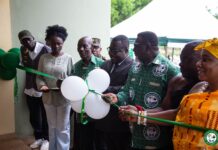
Addressing the media on the theme: Resetting Ghana’s Fisheries Sector for Sustainability, Jobs and Blue Economy Growth, the Minister of Fisheries and Aquaculture, Hon. Emelia Arthur, explained that the engagement aimed to account to the public on the activities of the ministry at the advent of this government.
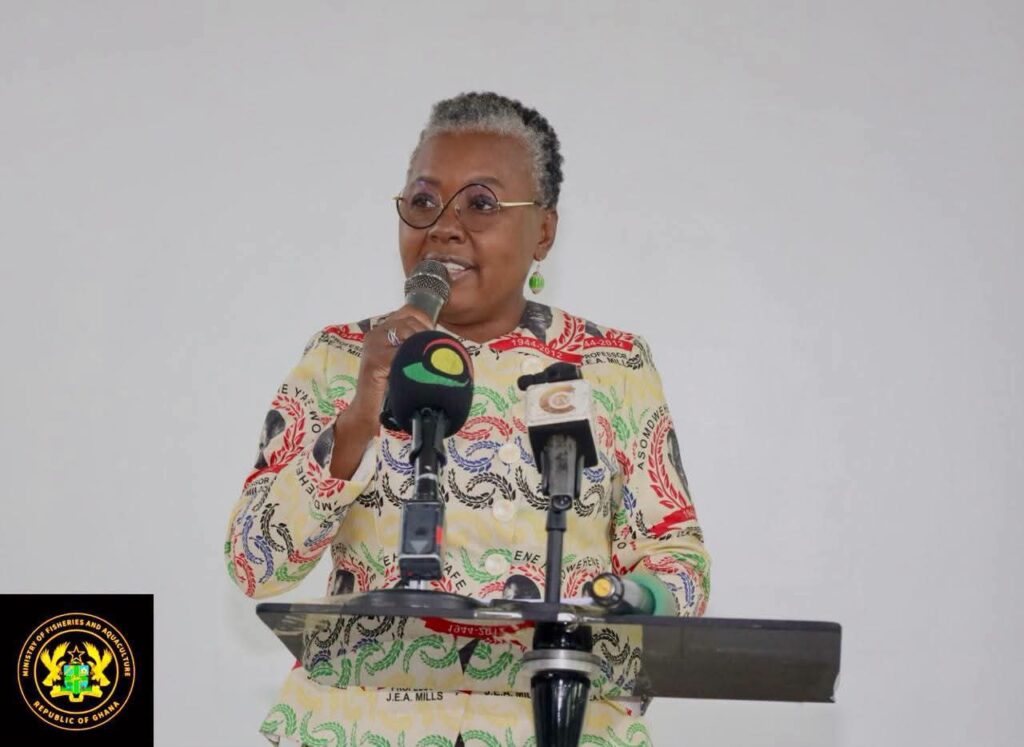
“It is my duty and privilege to account to the people of Ghana for the work we have undertaken since January 2025, the reforms we have initiated, the challenges we have confronted and the direction in which we are taking the fisheries and aquaculture sector,” she said.
She underscored the ministry’s responsibility for managing the nation’s resources that belong to the people of Ghana. She stressed that the government’s duty is to protect resources responsibly and ensure they continue to sustain livelihoods and nourish generations yet to come.
In response to the challenges faced by the sector, the government is poised to implement five transformational reforms to reset the fisheries sector by restoring sustainability, creating jobs, expanding aquaculture, promoting transparency, and positioning fisheries as a central pillar of Ghana’s Blue Economy.
The Five Transformational Reforms Agenda are:
RESTORING GOOD GOVERNANCE
Every transformational reform requires good governance. The foundation of every successful sector is good governance with the right laws, strong institutions, transparency and accountability.
According to the Minister, the remarkable achievement of this government is the passage of the Fisheries and Aquaculture Act, 2025 (Act 1146) that replaces the Fisheries Act of 2002.
The new Act seeks to strengthen the Fisheries Commission, establishes a dedicated Fisheries Enforcement Unit, creates a Fisheries and Aquaculture Development Fund, provide for aquaculture development zones, strengthen measures against Illegal, unreported and unregulated fishing, and most importantly, extend the Inshore Exclusion Zone to twelve nautical miles to provide stronger protection for small-scale fishers and critical breeding grounds.
Transparency is critical in good governance. She expressed that to ensure good governance, the ministry has inaugurated Ghana’s Fisheries Transparency Initiative National Multi-Stakeholder Group, and continued to strengthen Ghana’s international commitments, including the implementation of the World Trade Organization Agreement on Fisheries Subsidies.
This, she mentioned, would promote openness, accountability and inclusive decision-making, eliminating harmful fishing practices, promoting responsible fisheries management and contributing to global efforts to protect marine resources.
RESTORING FISHING RESOURCES
To restore the fishing resources, she opined that one of the most historic achievements of this administration has been the establishment of Ghana’s first Marine Protected Area.
Following Cabinet approval, she mentioned that the Government has officially declared the Greater Cape Three Points Marine Protected Area. The protected marine area will help restore fish stocks, protect biodiversity, strengthen climate resilience, and secure the ecological foundation upon which coastal livelihoods depend.
She, however, expressed concern about illegal mining activities along the Cape Three Points forest area, where polluted water is flowing into the marine environment around that important ecosystem.
RESTORING TRUST THROUGH BETTER SERVICE DELIVERY
Restoring trust in Ghanaians through better service delivery, one of the service delivery areas that has been responsibly managed in the fishing communities is with reference to premix fuel distribution challenges.
The shortages, delays, and the price hikes of the premix fuel are now a thing of the past for the smallholder fishers in the fishing communities, bringing restoration and confidence in the government.
For many smallholder fishers, the premix fuel is not just an operational input but a tool for sustainable livelihood and economic development.
Digitalization is key to every sector’s development and reformation; the Fisheries Ministry has digitized Ghana’s premix fuel distribution system to improve transparency and reduce opportunities for manipulation.
According to the Minister, out of 157 planned automation sites, 138 have been completed and equipped, with 74 already operational, including 24 commissioned during the first half of this year.
The National Premix Fuel Secretariat’s Premix Tracker and Dashboard now provide greater visibility across the supply chain, enabling improved monitoring, accountability and decision-making.
TRANSFORMING FISH PRODUCTION
The fourth reform to reset the fisheries sector is transforming fish production. Over the decades, Ghana’s fisheries conversation has focused primarily on managing declining wild fish stocks, but the reality is that Ghana cannot conserve its way to food security.
According to statistics, Minister stressed, Ghana consumes approximately 1.2 million metric tons, yet domestic production remains a little above 700,000 tons, creating an import gap.
To close the gap, aquaculture cannot remain a secondary activity. The vision of the ministry is to build an aquaculture industry that is commercially viable, environmentally sustainable, and capable of supplying both domestic and export markets.
To achieve this, the government has launched the Komfueku– Aquaculture Project, which is transforming abandoned clay and quarry pits into productive commercial fish farms through partnerships with the private sector.
This initiative will create jobs. Increase fish production. Provide technical support. Improve market access and create sustainable income opportunities for surrounding communities.
Moreover, historically, the government has introduced offshore mariculture, and a provisional license has been issued for commercial offshore marine aquaculture.
This chapter where we responsibly harness Ghana’s marine resources while reducing pressure on wild fish stocks.
BUILDING GHANA’S BLUE ECONOMY
Blue Economy is the sustainable use of ocean, sea, and coastal resources for economic growth, improved livelihoods, and marine ecosystem health.
To manage the ocean, sea, and coastal resources wisely enough to create wealth that benefits all Ghanaians, the government has completed the development of Ghana’s Blue Economy Strategy and has prepared a comprehensive Blue Economy Policy framework to guide its implementation. A bill is being prepared to cabinet for a law governing Ghana’s blue economy.
These frameworks would provide a roadmap for transforming Ghana’s marine and inland water resources into engines of inclusive economic growth, climate resilience and sustainable livelihoods.
ACHIEVEMENTS/ SUCCESS SO FAR
Although the government is less than two years in office, massive transformations have been made, creating opportunities for Ghanaians. Some of the achievements are;
• The passage of a landmark Fisheries and Aquaculture Act.
• The establishment of Ghana’s first Marine Protected Area.
• Improving premix fuel supply and introducing stronger accountability systems.
• Expanded aquaculture development.
• Opening new opportunities through offshore mariculture.
• Advancing Ghana’s Blue Economy agenda.
• Strengthened partnerships for investment, knowledge and innovation.
• Replacing outdated systems with modern governance and many more.
The Minister commended the media for continuing cooperation to inform Ghanaians, amplify the voices of our fishing communities and hold public institutions accountable.
She concluded that these achievements are just a stepping stone to the sector’s greatness.