
The Ghana Tomato Self-Sufficiency Initiative (GHATSI), an initiative initiated by the Ministry of Food and Agriculture in partnership with FarmMate Ltd is to provide lasting solution to Ghana’s tomato crisis.
The initiative would be launched on 15th September, 2026 at the Anlo Senior High School Park (ANSECO) in Anloga, Volta Region, at 10:00 AM.
The launch will be led by the Minister for Food and Agriculture, Hon. Eric Opoku (MP), and will convene
Government officials, Regional authorities, Traditional leaders, farmers, financial institutions, insurers, technical partners, and the media.
The national Public-Private Partnership (PPP) designed to move Ghana progressively toward reliable tomato self-sufficiency by building an integrated, year-round domestic value chain.
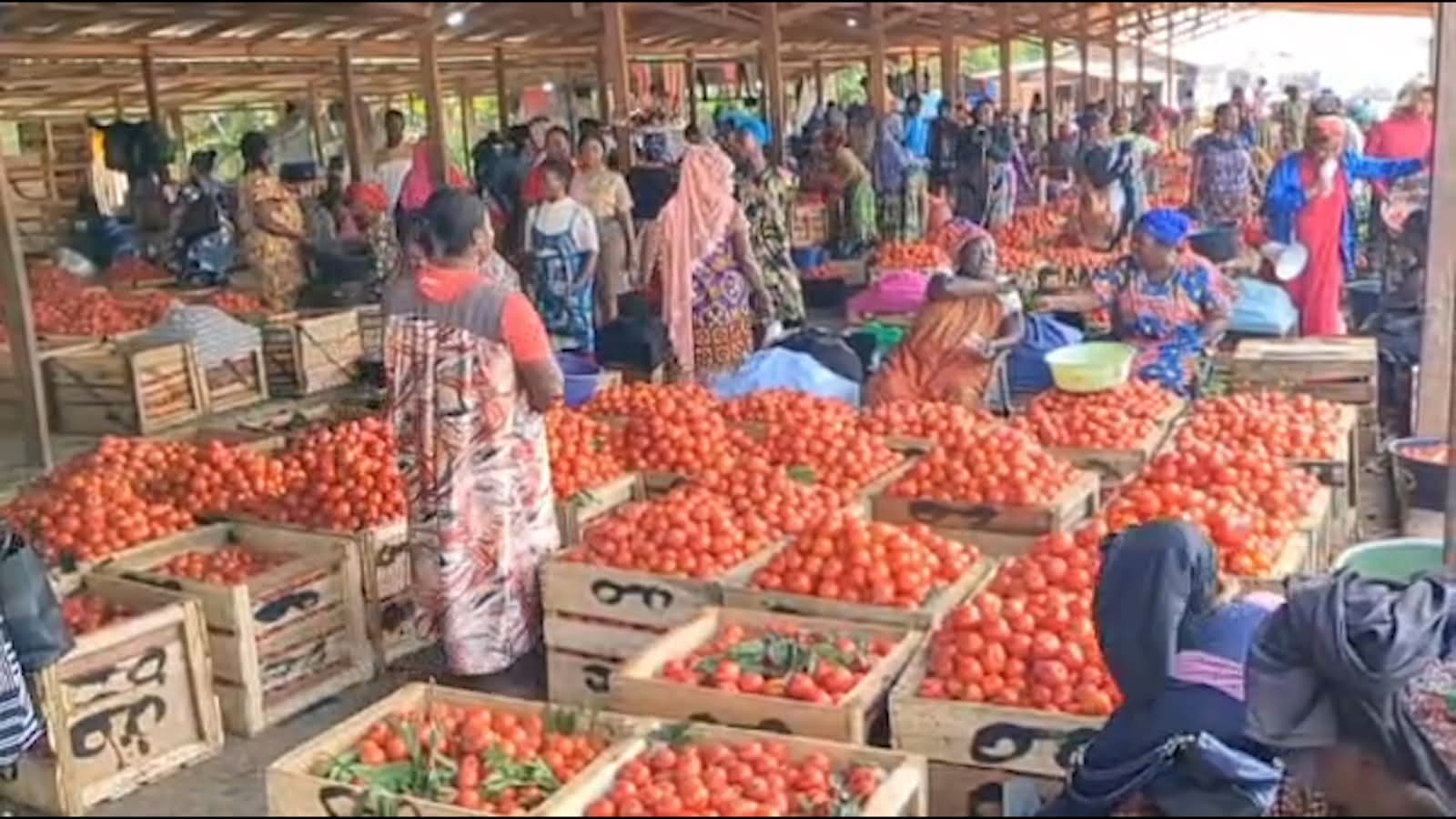
Ghana possesses favorable land, water, and climate, these notwithstanding the nation currently spends over USD 400 million annually importing fresh tomatoes and paste, heavily driven by the December-to-July off-season deficit.
In a press release issued by the Ministry of Food and Agriculture, GHATSI directly reverses this dynamic by connecting farmers and land to production enhancement, structured finance, multi-peril crop insurance, aggregation, industrial processing, and guaranteed market access.
The initiative seeks to end import dependency, guarantee a stable year-round supply, raise and
secure farmer incomes through contract farming, create sustainable youth employment across the
entire value chain, eliminate avoidable post-harvest losses, and reduce risks of farming against climate or pest shocks.
According to the press release, the complete rollout targets annual national tomato production of 400,000 tonnes, commencing with an initial supply target of approximately 100,000 tonnes during the 2026/2027 production cycle.
This 2026/2027 first-phase rollout will span over 10,000+ acres across 40 districts, 12 regions, and more than 100 communities, establishing the production base for progressive scale-up to the full 400,000-tonne annual target.
Under the Farmer Enhancement Package, participating growers will receive financed agro-inputs, irrigation support, extension and technical services, and multi-peril crop insurance, with repayment settled directly at off-take.