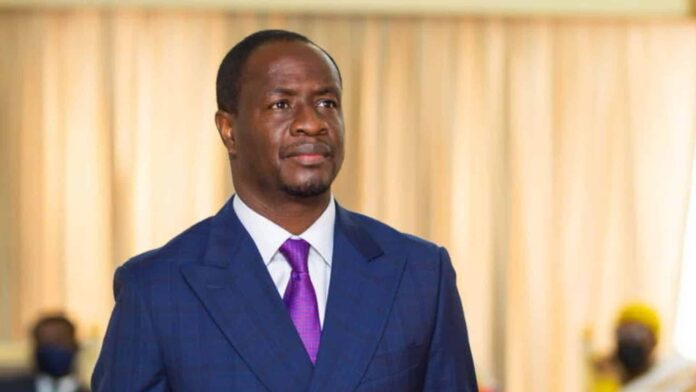
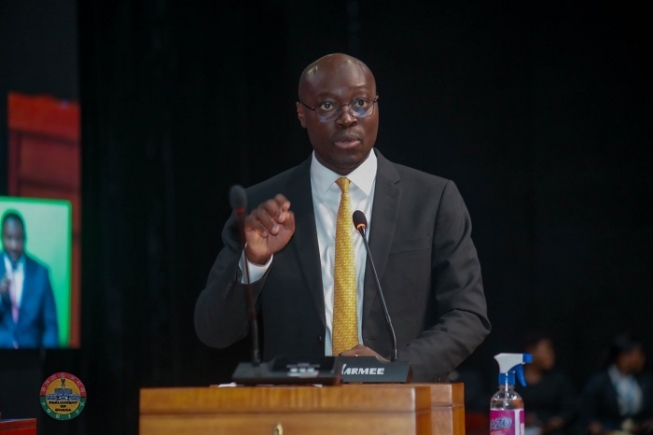
Dr Andy Osei Okrah, CEO of the Tree Crops Development Authority (TCDA), has urged United Kingdom investors to take advantage of emerging opportunities in Ghana’s tree crops sector.
He cited government-backed initiatives to boost value addition and industrialisation.
A statement shared with the Ghana News Agency (GNA) said Dr Okrah made the call during a high-level panel discussion on the second day of the Ghana–UK Investment Summit 2026 in London, which brought together global agribusiness leaders, investors, diplomats and government officials. “Ghana is open for business,” Dr Okrah said.
The statement said the TCDA CEO presented Ghana’s investment prospects for the six regulated tree crops under the Authority and outlined measures being implemented to transform the sector from a raw-commodity export base into a value-driven industrial economy.
He highlighted opportunities in the cashew industry, noting that, beyond the export of nuts, cashew apples could be processed into juice, beverages, and other commercial products, creating additional revenue streams for investors.
Dr Okrah also drew attention to the government’s plan to establish 100,000 hectares of new oil palm plantations nationwide, supported by a proposed 500-million-dollar financing facility, describing the initiative as a major opportunity for investment in cultivation, processing and downstream industries.
On rubber, he said efforts were underway to increase production by reclaiming degraded lands and to promote industrialisation by establishing processing factories, including facilities for producing vehicle tyres.
The statement said the CEO also highlighted opportunities within the shea value chain, indicating that value addition to shea nuts would enable Ghana to position itself to benefit from the projected 5.5-billion-dollar global shea market by 2033.
Dr Okrah outlined policy interventions introduced by the Authority, including directives backed by Legislative Instrument (L.I.) 2471 to reserve a percentage of raw materials for local processors under the Government’s Feed the Industry initiative.
He said the measure was intended to strengthen local manufacturing, increase value addition and create sustainable employment opportunities.
The CEO called on investors to partner with Ghana, citing the country’s stable business environment, supportive policy framework and commitment to agricultural transformation.
The summit, held from June 1 to 2 on the theme, “The Reset Agenda: Restoring Investor Confidence to Unlock Opportunities and Shared Prosperity,” was organised to showcase investment-ready projects across Ghana’s priority sectors and strengthen economic cooperation between Ghana and the United Kingdom.
It brought together investors, policymakers, business leaders, development partners, and members of the Ghanaian diaspora to explore trade opportunities.
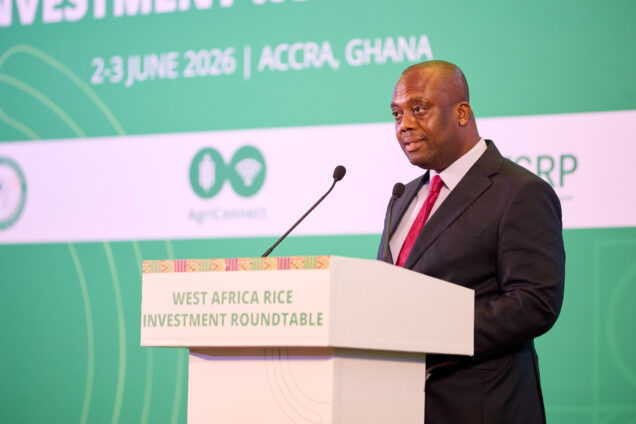
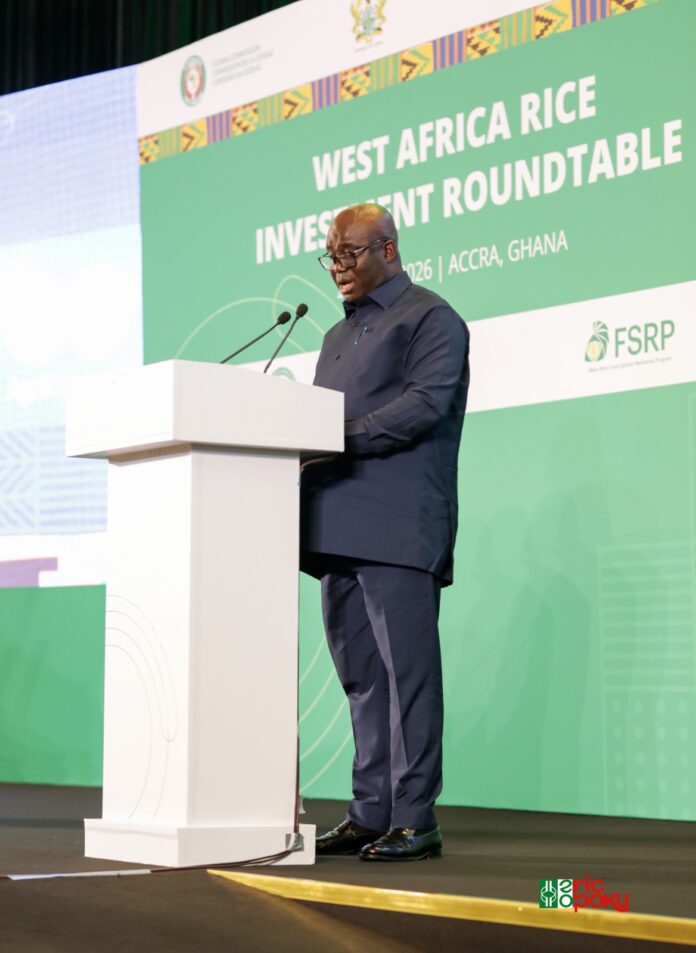
The Deputy Minister for Finance, Thomas Nyarko Ampem has advised stakeholders participating in the 2026 West Africa Rice Investment Roundtable in Accra to close the gap between rice production and consumption to reduce huge imports of the grain.
He revealed that West African countries spend about US$3 to 4 billion annually importing rice, a situation that can be reversed to create jobs and improve the living conditions of farmers in the region.
“That is billions in foreign exchange leaving our economies each year to finance demand we should increasingly be meeting ourselves. Therefore, the real Jollof competition before us is not whose rice tastes better. It is whether West Africa can finally produce enough rice to feed itself competitively”, he said.
Outlining some serious challenges the importation of rice create for the economies in West Africa, Mr. Ampem said the current situation is economically unsustainable and strategically untenable.
He added that the widening gap between the productive capacity of West African countries and consumption, are placing enormous pressure on economies in the sub-region.
“It drains scarce foreign exchange, weakens domestic value chains, exposes our countries to external supply shocks, and limits the jobs and prosperity that should arise from a commodity we consume so heavily”, he said.
“We know that West Africa is not short of potential in rice production. We have the land. We have the water resources. We have the farmers. What we have lacked, for far too long, is sufficient transformational capital capable of unlocking this potential at scale” he added.
Providing some solutions, Mr. Ampem called for transformational capital investment for long term sustainability of the sector.
He explained that such investment will require patient capital that funds irrigation, and not just seasonal inputs;
“It means risk-tolerant capital that invests in storage, milling, logistics and processing, not just commodity trading. It means strategic regional capital that sees a West African rice economy, not fragmented national markets separated by borders”, he proposed.
According to him, transformational capital investment will not only improve the welfare of farmers but will make rice production and processing attractive to investors.
“That is the scale of ambition this moment demands. I am confident that if we fundamentally rethink how we see rice. This region can unlock and attract the capital required to transform the sector”.
The ECOWAS Commission at the West Africa Rice Investment Roundtable held on June 2, 2026 brought together representatives of ECOWAS Member States, representatives of Regional and International Financial Institutions, development partners, private sector leaders, and investors.
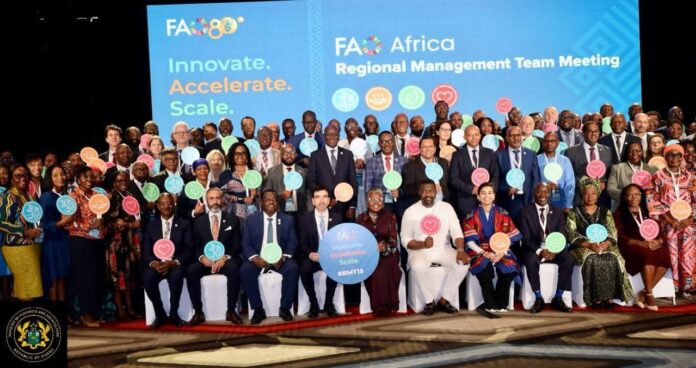
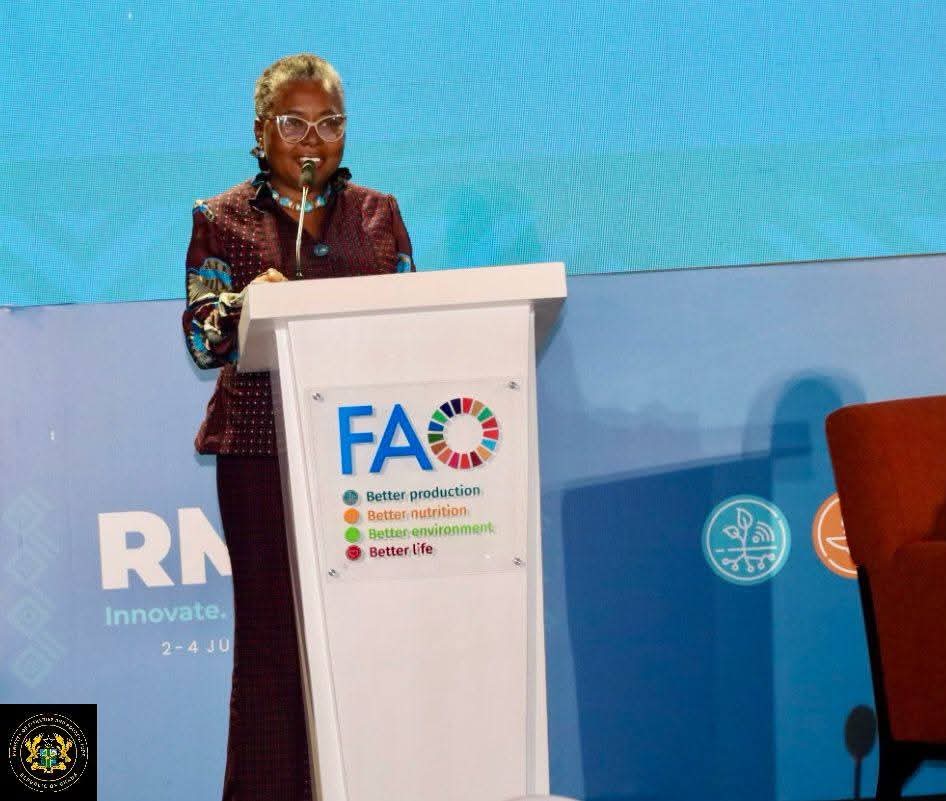
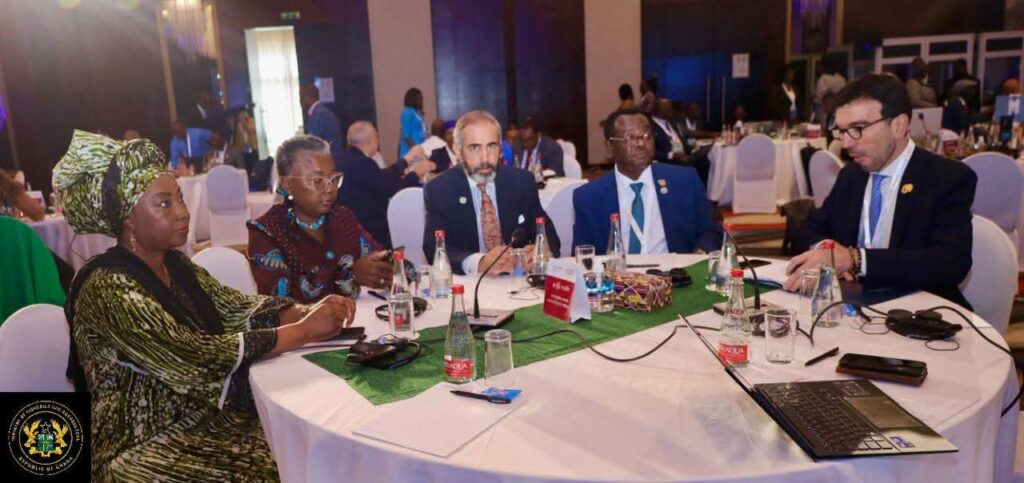
Ghana has hosted the 15th Regional Management Team Meeting (RMT15) of the Food and Agriculture Organization (FAO) on a conversation on Africa’s agricultural future in Accra.
During the meeting, the Deputy Director-General of FAO, Maurizio Martina reinforced the importance of efficiency, accountability, and coordination, noting that the “One FAO” approach is essential for coherent action.
Regional Representative, Dr. Abebe Haile-Gabriel added that FAO’s effectiveness will be judged by its ability to support country offices, detect challenges early, and respond with urgency.
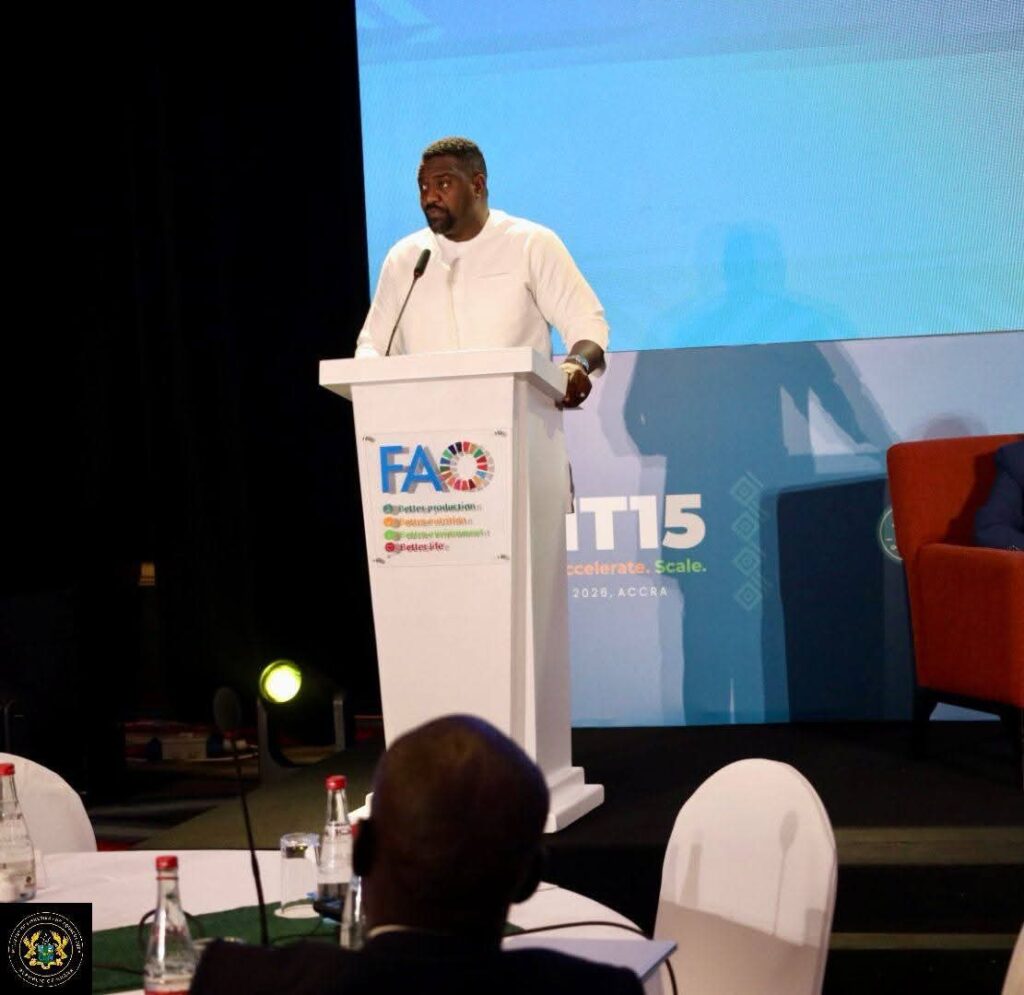
The Deputy Minister for Food and Agriculture, Hon. John Dumelo, outlined the pressing structural challenges: smallholder constraints, rising demand from population growth, value chain disruptions, and nutrition gaps.
He detailed Ghana’s Feed Ghana Programme and Block Farming and Agricultural Transformation Agenda, designed to boost production, reduce imports, stabilize food prices, and modernize farming practices.
Hon. John Dumelo, the Deputy Minister for Agric outlining government interventions to support Ghana’s agrifood system
Dumelo stressed FAO’s critical role in helping countries move from fragmented interventions to scalable, evidence-based programmes aligned with FAO’s Four Betters: better production, better nutrition, a better environment, and a better life.
In opening remarks, the Minister for Fisheries and Aquaculture, Hon. Emelia Arthur, emphasized the urgency of moving Africa “from potential to performance.”
She highlighted the continent’s abundant resources, youthful population, and entrepreneurial energy, yet noted that hunger, poverty, and climate shocks persist.
Minister for Fisheries, Hon. Emelia Arthur highlighting the continent’s abundant resources, youthful population, and entrepreneurial energy, yet noted that hunger, poverty, and climate shocks persist.
“Africa requires transformation, not incremental change or fragmented pilot projects,” she declared.
Hon. Emelia Arthur pointed to Ghana’s fish processing centre in Axim, a partnership with FAO that has uplifted women fish processors, as proof of what targeted interventions can achieve.
She underscored the Blue Economy as a major untapped opportunity, urging regional cooperation, investment, and decisive action against Illegal, Unreported and Unregulated (IUU) fishing.
The gathering brought together FAO leadership, ministers, and sub-regional coordinators to chart a path toward stronger coordination and more efficient delivery of agrifood systems across the continent.
Ghana reaffirmed its commitment to working closely with FAO and international partners to transform challenges into opportunities and drive sustainable development across Africa.
In Ghana, rice is the 2nd most consumed cereal with current per capita consumption of about 51 kilograms and still rising.
Last year alone, Ghana consumed roughly 1.71 million tons of rice but domestically produced around 960,000 tons of milled rice leaving close to 751,000 tons that amount to we spent around 320 million United States dollars.
During the West Africa Rice Investment Roundtable held at Kempinski, Accra-Ghana, Hon. Eric Opoku, the Minister of Food and Agriculture said deficit gap is described to be the single largest untapped agribusiness opportunity for investment, industrialization and high-productivity jobs for the youth in Ghana rather than been simply a burden on our balance of payments.
Explaining Ghana’s 3 main ecologies at which the rice production revolves, Minister said rain-fed lowland, in-land valley account for almost 90% of output and irrigation systems around 10%.
Under the System of Rice Intensification, Hon. Mentioned that irrigated plots in Ghana have reached 6.5 tons per hectare against 3.8 tons under conventional practice, a near doubling on the same land. With improved seed, water, mechanization and agronomy, 6 tons per hectare is well within reach especially under irrigation.
“Ghana’s rice milling recovery stands at around 55% which is below the global benchmark of 65%. This gap stems from over-dried paddy, mixing of varieties, and mills without the required components which result in high breakage and impurities. These losses (amounting to about 50 to 90 million United States dollars annually) increase the cost of production and therefore the price of Ghana rice, making the industry uncompetitive against cheaper imports,” he explained one factor affecting the sector.
He underscored the change that Ghana has made to the underlying problem facing the rice sector, thus the uncertainty about where, precisely, the productive opportunities lie. “We have commissioned advanced satellite-based geospatial mapping to identify, delineate and characterize rice-suitable land nationwide, the full expanse, we will need to reach self-sufficiency, organized into production clusters.”
“Initial mapping across our principal rice-growing regions has identified approximately 515,000 hectares of land currently under rice cultivation, spanning our rain-fed lowland, irrigated lowland and inland-valley ecologies,” he added.
Former Head of Public Affairs at the Ghana Cocoa Board (COCOBOD), Fiifi Boafo, has cautioned against moves to impose harsher penalties on cocoa smugglers without first addressing the longstanding payment and financing challenges confronting cocoa farmers across the country.
His comments come amid growing debate over a proposal by COCOBOD to introduce tougher anti-smuggling measures, including a 10-year prison sentence, fines of up to 200,000 penalty units, and the establishment of a special cocoa tribunal to prosecute cocoa-related offences.
The proposal forms part of efforts by COCOBOD and government to stem rising cocoa smuggling, which officials say has contributed significantly to declining official cocoa purchases and revenue losses in recent years.
However, Mr. Boafo argues that while cocoa smuggling remains a serious threat to Ghana’s economy, punitive measures alone will not solve the problem if the structural difficulties facing cocoa farmers remain unresolved.
In a statement issued on June 1, he acknowledged COCOBOD’s investments in research, extension services, disease control, farm inputs, pesticides, and fungicides, but insisted that the institution must first restore confidence in the cocoa purchasing system before pursuing severe sanctions.
“The cocoa farmer depends on prompt payment not merely for comfort, but survival,” he said.
According to him, the 2025/2026 cocoa season has been one of the most difficult periods for cocoa farmers in recent memory, with many farmers unable to receive timely payment for cocoa sold through official channels.
He noted that several Licensed Buying Companies (LBCs) reportedly struggled to access funds to purchase cocoa, resulting in situations where farmers were either turned away or forced to wait weeks and, in some cases, months before receiving payment for produce already delivered.
The concerns add to ongoing debates about the sustainability of Ghana’s cocoa sector, which has faced significant challenges in recent years, including declining production, illegal mining activities in cocoa-growing areas, climate-related pressures, disease outbreaks, and rising operational costs.
The issue of cocoa smuggling has become increasingly contentious following reports of large price disparities between Ghana and neighbouring cocoa-producing countries. Industry analysts have long argued that differences in producer prices create incentives for some farmers and middlemen to engage in cross-border trading despite existing prohibitions.
Government officials have consistently maintained that cocoa smuggling undermines Ghana’s foreign exchange earnings and weakens the country’s ability to honour international cocoa contracts.
However, Mr. Boafo questioned the fairness of imposing severe criminal penalties on farmers when the official purchasing system has itself struggled to meet its obligations.
“It is difficult to understand why, at a time when COCOBOD and some LBCs have struggled to fulfil their core obligation of promptly purchasing and paying for cocoa, the priority appears to be harsher punishment for farmers and others who may resort to cross-border sales in search of immediate payment,” he stated.
The former COCOBOD spokesperson further argued that the state must be held to the same standards it seeks to enforce on farmers.
Citing the COCOBOD Law, 1984 (PNDC Law 81), he said the institution has a legal responsibility to ensure the purchase and marketing of cocoa produced in Ghana.
“If the state seeks to punish acts deemed contrary to the cocoa laws, then the state itself must equally comply with its obligations,” he said.
His intervention comes at a time when discussions around cocoa sector reforms have intensified, following concerns over COCOBOD’s debt burden, delayed payments to suppliers and contractors, and calls for greater transparency in the management of the industry.
Farmer groups and agricultural policy observers have repeatedly called for improvements in producer pricing, timely payments, and stronger support systems for cocoa-growing communities.
Mr. Boafo maintained that addressing cocoa smuggling requires restoring trust in the cocoa marketing system rather than relying solely on criminal sanctions.
He proposed a package of reforms including guaranteed prompt payment to farmers, reliable financing for Licensed Buying Companies, fair producer prices, improved transparency in cocoa purchases, and greater accountability within COCOBOD.
“A farmer who has waited months without payment cannot reasonably be treated as a criminal for seeking alternative means to meet urgent family and economic needs,” he argued.
He warned that any policy focused primarily on punishment without addressing the economic hardships facing cocoa farmers risks deepening frustration within cocoa-growing communities and further weakening confidence in the sector.
“Protecting Ghana’s cocoa industry must go hand in hand with protecting the dignity and livelihood of the cocoa farmer,” he stated.
Mr. Boafo therefore urged policymakers and Parliament to ensure that efforts to curb cocoa smuggling are matched by reforms that address the welfare and legitimate concerns of cocoa farmers, insisting that “the cocoa farmer deserves justice too.”
The Finance Minister Dr. Cassiel Ato Forson has announced that the Ghana Cocoa Board (COCOBOD) will soon issue commercial papers to raise about US$1 billion to finance cocoa bean purchases for the 2026/2027 crop season.
Speaking at the Ghana-UK Investment Summit 2026 in London, Dr. Forson said the move forms part of a new financing strategy aimed at reducing COCOBOD’s dependence on traditional offshore syndicated loans, which have become increasingly difficult to secure.
According to the Finance Minister, the transaction advisor for the deal has completed its work and submitted its report, paving the way for the issuance of the commercial papers in the coming weeks.
“The transaction advisor just submitted the report and we will issue very soon. We are not solely relying on Ghanaian banks but pension funds and non-resident investors. We will issue it in three tranches,” Dr. Forson disclosed.
He explained that the transaction remains subject to the passage of the new Cocoa Bill by Parliament and subsequent presidential assent. Once those approvals are secured, government will provide further details on the structure and implementation of the fundraising programme.
The planned issuance is expected to raise approximately US$1 billion to support the purchase of cocoa beans during the next crop season, ensuring that COCOBOD has adequate liquidity to pay farmers and maintain operations across the cocoa value chain.
The announcement marks a significant shift in the financing model for Ghana’s cocoa sector. Historically, COCOBOD relied on annual syndicated loans from international banks to fund cocoa purchases. However, the rising debt levels, market volatility and tightening global financing conditions have made that approach increasingly challenging.
Under the new arrangement, COCOBOD intends to issue domestic cocoa-linked debt instruments to create a revolving fund that can be used to purchase cocoa and subsequently be repaid from cocoa sales proceeds within the same crop year.
Industry observers say the strategy could help deepen Ghana’s domestic capital market by attracting investments from pension funds, local institutional investors and foreign investors seeking exposure to Ghana’s cocoa sector.
The new financing framework is also expected to provide a lifeline for indigenous Licensed Buying Companies, many of which have struggled under the existing financing structure. It could further enable COCOBOD to sell greater volumes of cocoa beans to local processing companies, supporting value addition, industrialisation and job creation.
COCOBOD’s financing challenges have come under increasing scrutiny in recent years amid concerns over its debt burden, which stood at approximately GH¢32 billion earlier this year. Analysts believe a successful commercial paper programme could help diversify funding sources and improve the sustainability of cocoa sector financing.
The cocoa sector remains a critical pillar of Ghana’s economy, contributing significantly to export earnings, rural livelihoods and foreign exchange inflows. The government hopes the new financing model will strengthen the sector’s resilience while ensuring uninterrupted support for cocoa farmers across the country.
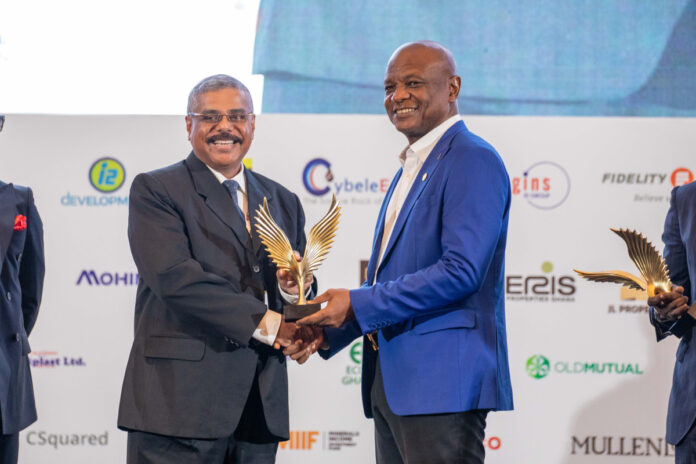
The Country Head of Olam Agri Ghana, Baibhav Biswas has been honoured as CEO of the Year in Agribusiness at the 2026 Ghana CEO Summit held in Accra.
The recognition was presented at the Summit of the prestigious Ghana CEO Excellence Awards, an annual platform that celebrates business leaders making significant and measurable contributions to Ghana’s economic growth and transformation.
Held under the theme, “Accelerating Ghana’s Economic Transformation: Driving Bold Reforms through Leadership, Technology, and Industrialization for Sustainable Growth,” this year’s Summit brought together heads of state, industry leaders, investors, and senior policymakers to shape conversations around Ghana’s economic future.
Delivering the Presidential Keynote Address, President John Dramani Mahama underscored the urgent need for Ghana to transition from economic stabilisation to long-term structural transformation driven by industrialisation and innovation.
Baibhav Biswas received the Agribusiness award in recognition of his leadership in expanding and strengthening Olam Agri Ghana’s operations in ways that directly support the country’s food security and industrialisation agenda.
Under his leadership, Olam Agri commissioned Ghana’s first purpose-built pasta manufacturing facility — a landmark investment in local food processing and import substitution.
The facility, which produces the First Choice Premium Spaghetti range, enhances domestic value addition while creating employment opportunities across manufacturing, logistics, and distribution.
Baibhav’s leadership has also been reflected in the strength of Olam Agri Ghana’s partnerships with the country’s baking industry.
Through sustained collaboration with bakers, distributors, and trade partners, the company has helped reinforce the supply chain for locally produced flour while supporting skills development within the sector.
This commitment is further demonstrated through the Raising Generations Initiative — a baking school and scholarship programme implemented in partnership with the Ghana TVET Service to equip young people with industry-relevant technical and entrepreneurial skills.
“This recognition belongs to our team and the communities we work with,” said Biswas. “Our commitment is to build an agribusiness that creates sustainable, long-term value for Ghana through local production, skills development, and partnerships that extend beyond transactions. While we are proud of the progress made, there is still important work ahead, and this recognition reinforces the responsibility that comes with the scale and impact of our operations.”
The Ghana CEO Summit remains one of West Africa’s leading platforms for executive leadership dialogue, convening senior business executives, policymakers, investors, and public sector leaders to shape strategies that advance Ghana’s economic competitiveness, industrial growth, and sustainable development agenda.
I recently spoke with a retired partner of a Washington, D.C. law firm who has become a friend and mentor. He once led the firm’s public interest litigation practice. As we discussed my professional interests and past work, our conversation naturally drifted to my cocoa advocacy, which he had come across online.
He asked a question many friends and colleagues have privately asked me over the past few months: How did you become so invested in reforming Ghana’s cocoa law?
The truth is, I have no pecuniary interest in cocoa. I do not own a cocoa farm, nor do I have any stake in the cocoa value chain or the artisanal chocolate industry. But cocoa is woven into my family’s story. Long before I was born, my paternal grandfather owned tens of acres of cocoa farms in Ghana’s Ahafo Region. By all accounts, he was a prosperous cocoa farmer.
Like many families in cocoa-growing communities, cocoa was the lifeblood that sustained his family. Yet, for reasons still recalled in fragments and contradictions within family memory, he lost those farms under “strange” circumstances. He died before I was born. Perhaps one day I will tell my grandfather’s story and its impact on me fully, maybe in a memoir, if life grants me the time to write one.
So no, my advocacy is not driven by personal gain or profit. It is rooted in a quiet conviction that the people whose labor built much of this country, including my grandfather, deserve dignity and justice.
The travails of cocoa farmers
Farmers are among the most hardworking and most resilient people you will ever meet, and cocoa farmers perhaps most of all. The President of Ghana, John Dramani Mahama, himself would understand this well. He is a farmer too.
Cocoa cultivation is incredibly challenging. Farmers endure years of hardship before earning a single harvest. They must first secure land, often through fragile tenancy arrangements such as “abunu” or “abusa”, then spend 3 to 5 years clearing, planting, pruning, spraying, and tending cocoa trees, all without income from the crop.
During that time, they rise before dawn in villages with limited roads, healthcare, and electricity, while still struggling to feed their families and keep their children in school.
Climate change has made this life even harder: higher temperatures reduce yields, longer rains fuel disease and pests, and increasingly erratic weather deepens uncertainty. And when the harvest finally comes, the labor continues, as pods are split by hand and beans are painstakingly fermented, dried, and bagged for export.
Despite these sacrifices, a 1984 law, whose antecedents date back to the colonial period, denies cocoa farmers the right to freely negotiate prices and sell their property to buyers of their choice. Instead, they are forced to sell exclusively to the Ghana Cocoa Board (COCOBOD) at below-market prices set entirely by the State.
Trading outside this monopsony is a criminal offense. Imprisoning someone for at least five years simply for trading their own property violates basic civil rights and natural law.
Over the 30 year period between the 1990/1991 and 2020/2021 cocoa seasons, cocoa farmers have earned, on average, just 55.8% of the global cocoa price, according to our preliminary analysis of data from the International Cocoa Organization (ICCO).
In the 1993/1994 cocoa season, the farm gate price paid to farmers was as low as 32% of the world price.
The operation of this law, therefore, effectively reduces cocoa farmers to a form of servitude. No other trade, occupation, or vocation is subject to this kind of treatment. Even minimum wage laws entitle covered wage-earners to a wage above what they would otherwise earn for their labour in a free labour market. Why, then, has this egregious cocoa law never been amended or challenged in court?
The inequities and injustices embedded in this cocoa marketing framework have never sat well with me. It is a conviction deeply shared by my colleagues, Kwadwo Gyan and Sybil Efrima Sam.
What reform should look like
To be clear, we are not advocating for a sudden liberalization of the market, nor are we calling for the abolition of the Ghana Cocoa Board. We are not asking for a complete deregulation of the sector, nor do we demand that the State abandons its vital roles in quality control, buyer licensing, export infrastructure, research, or the development of the “cocoa roads” program.
Our argument is far more fundamental. We are simply asking that the State stop taking the property of vulnerable cocoa farmers.
The hard-earned fruit of a farmer’s labor should not be subjected to a forced sale to a state-designated buyer at a unilaterally determined, below-market farm gate price without the “prompt, fair and adequate compensation” explicitly required by the Ghanaian Constitution. Cocoa farmers should be free to sell to whichever buyer they want and negotiate prices.
The State can participate in the enterprise if it chooses, through a commercial entity, howsoever described. If the state entity offers a preferable price in a given cocoa season, farmers will sell to the state.
However, if another buyer offers a better price, it should not be a crime to sell to that buyer. The state can mobilize revenue through income taxes, export levies, buyer license fees, penalties on non-compliant participants in the value chain, cocoa tourism, etc.
The Abandoned Medium-Term Cocoa Development Strategy of 1999
Before the British colonial government introduced the Ghana Cocoa Board’s statutory monopsony, the Gold Coast’s cocoa sector operated through a competitive market system with multiple buyers, organised farmer cooperatives, and prices determined through negotiation rather than by State fiat.
The proposal is therefore not for the Government of Ghana (GoG) to experiment with an unknown model, but to restore a market structure closer to what existed before colonial intervention distorted the sector.
Ghanaian cocoa farmers should be allowed to act collectively and trade their own produce in their own economic interest. It is worth noting that the Government of Ghana itself, at the highest level of executive decision-making, accepted and approved the case for cocoa sector reform.
In the 1990s, acting on advice from the International Monetary Fund and after broad stakeholder consultations, the Cabinet approved reducing State involvement in cocoa marketing. This position was later reflected in the Medium-Term Cocoa Development Strategy of 1999.
In other words, the decision was already made; it was simply never implemented. That fact disposes of any suggestion that what we now seek is radical, foreign, or untested in Ghanaian governance.
Ghana should not be an outlier.
Ghana is today, the only major cocoa-producing country in the world that retains a full statutory monopsony over the purchase of cocoa from smallholder farmers.
Every major producer has in some form, liberalized. Even our neighbors, Côte d’Ivoire (the world’s largest producer), now operates what may fairly be described as a hybrid system.
A regulatory body, the Conseil du Café Cacao, sets a guaranteed minimum farm gate price each season and supervises the sector.
Within that price floor, however, a plurality of licensed private buyers, exporters, and cooperatives compete to purchase cocoa from farmers. The state retains a meaningful role in “protecting” farmers from price volatility and ensuring sectoral stability, but it does not stand between farmer and buyer as the sole purchaser.
Beyond Côte d’Ivoire, there are valuable best practices across other cocoa-producing countries that offer useful guidance.
Ghana would benefit from recognizing its place within a broader global industry and thoughtfully drawing on these shared experiences to strengthen and improve its approach.
The writer is a lawyer with experience in strategic litigation, corporate law, and legal policy.
The Chamber of Agribusiness Ghana together with its partners, the wider agribusiness community of Ghana and across Africa is congratulating H.E President Romuald Wadagni, the President of the Republic of Benin as the rise of a new generation of African leadership.
The Chamber describes the inauguration as a democratic moment not only for Benin, but for the African continent.
“At just 49 years of age, you assume office as one of Africa’s youngest democratically elected Presidents, carrying with you not only an overwhelming electoral mandate of more than 94% of the vote, but also the hopes, aspirations, and confidence of millions of citizens who see in your leadership a renewed promise for prosperity, reform, and national transformation,” CAG exults him.
His remarkable journey, from global finance and executive leadership to the national public service and now the Presidency stands as a powerful testament to his discipline, excellence, vision, and service.
As a young man born on June 20, 1976, in Lokossa, Benin, he has delved in all spheres of national and international professional careers that earned him a reputation as one of Africa’s most respected economic reformers.
Africa celebrates not only his victory, but his story. A story of intellect, service, and generational leadership. A story that tells millions of young Africans that leadership is not reserved for age alone, but for vision, competence, courage, and commitment to country. “Your inauguration sends a clear and powerful message across our continent: Africa’s future is now. The youth of Africa are watching with pride, young entrepreneurs with hope, young professionals with belief, and young leaders with conviction that African governance can be innovative, globally competitive, economically disciplined, and deeply people centred.”
To his pledge to the citizen of Benin, the Chamber describes it as the one that resonates strongly across African growth, that create jobs, reduce poverty, improve access to services, uplift families, and build dignity. “We are particularly inspired by your demonstrated commitment to: Economic transformation and fiscal stewardship, private sector growth and entrepreneurship, regional trade and competitiveness, youth employment and innovation, infrastructure and industrial development and peace, democracy, and national unity,” the Chamber added.
The Chamber of Agribusiness Ghana, recognise the tremendous opportunity for deeper collaboration between Ghana and Benin; particularly in agribusiness, agroindustrialization, food systems transformation, agricultural trade, logistics, youth enterprise development, and regional value chains under the African Continental Free Trade Area (AfCFTA). The Chamber looks forward to stronger partnerships between our nations and institutions in advancing food security, industrial growth, and economic prosperity for our people.
“As you take the oath of office and begin this seven-year mandate, may your presidency be guided by wisdom, courage, humility, and bold vision. May your leadership bring peace to communities, your policies unlock opportunity for youth, your reforms deepen prosperity, and your legacy strengthen democracy. And may your presidency help shape a stronger, more united, and economically transformed Africa,” the Chamber added.
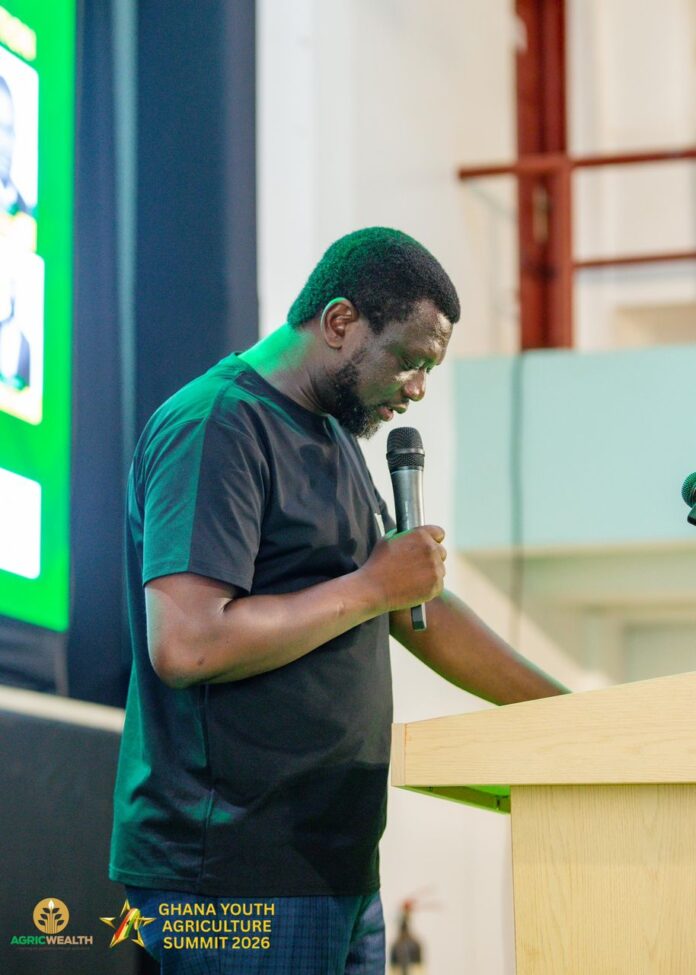
The convener of Ghana Youth Agriculture Summit, Evans Kyere-Mensah has revealed the mastery of making wealth and that is agriculture to the youth during the 2026 Ghana Youth Agriculture Summit that was held in Bono Region.
According to the convenor, agriculture is not a punishment, nor the last option in life, rather it is a business that involves technology to create wealth.
“Many have been taught to see agriculture as a last option instead of one of the greatest opportunities of our generation. But let me say this clearly today: Agriculture is not poverty, agriculture is not punishment, agriculture is business, agriculture is industry, agriculture is technology, and agriculture is wealth creation,” he added
To elucidate the wealth creation, he said farmers feed the entire population on the planet daily; the products been cocoa, cassava, maize, poultry, vegetables, fruits, and livestock that are consumed daily is the trillion-dollar industry for the youth to tab in to.
He mentioned that the youth should take the mantle and focus on the opportunities in the agriculture sector. Most of the youth are interested in office jobs that do not exist when their families have fallow lands in their hometowns that they can develop to produce food for the state.
He advised the youth to venture into agriculture by starting small, “do not despite small beginnings, many young people are waiting for big capital before they start, but history teaches us that great businesses rarely begin big: begin with vision, consistency, and courage”.
He further said that the future millionaire in agriculture may not start with 100 acres, it may start with one acre, one greenhouse, one poultry pen, one processing machine, or one bold decision.
Interestingly, he explained opportunities that have been created by the government institutions like NEIP, National Service Authority, youth entrepreneurship initiatives, skills development programs, agribusiness incubation projects, and private sector interventions designed to support young individuals who have interest in agriculture with training, mentorship, financing access, and enterprise development but these opportunities are for those who have prepared.
To gain wealth, do not wait for perfect conditions nor somebody to save you, and not to underestimate the beginning, he admonished the youth.
He urged all build a generation of young Ghanaians who do not only seek jobs, but to create industries, employment, value addition to transform to wealth.